SHREE SHIVA SAHASRANAAMAAVALI 3
751 to 1008

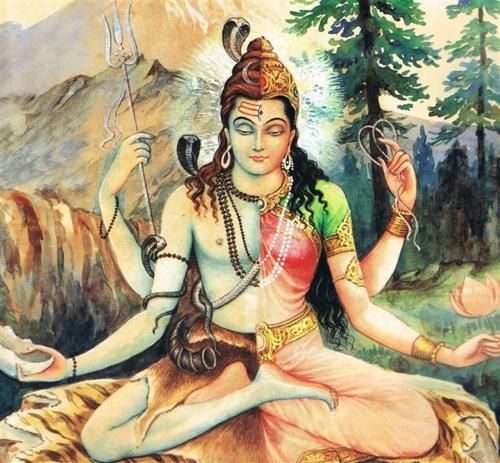
।। श्री।।
श्रीगणेशाय नमः
अस्य श्रीसदाशिवसहस्र नाममंत्रस्य, नारायण ऋषिः,श्रीसदाशिवो देवता,अनुष्टुपछंदः, सदाशिवो बीजम्, गौरी शक्तिः, श्रीसदाशिव प्रीत्यर्थं जपे विनियोगः।
“The seer of this glorious cluster of one thousand names of Shri Sadaashiva is NaaraayaNa. Shri Sadaashiva is the deity, AnushTup is the metre, Sadaashiva is the seed(that has expanded into the universe), Gauri is the shakti. These names are chanted to please the Lord, Shri Sadaashiva”.
The very fact that it is NaaraayaNa who visualised these Names shows that Shiva and VishNu are identical in essence.
शिव सहस्त्रनाम :
On the auspicious occasion of MahasShivaraatri, I have pleasure in commencing Shiva Sahasranaamaavali, the 1000 Names of our patron deity Shri Bhavanishankar.. I have already annotated the 108 Names of Shiva at great length with many cross references. I could indulge that luxury because the Names were only 108.
Now, since I have to attend to 1000 Names, I will be brief.
There are 1000 Names for almost every IshTadevataa, but, those of VishNu, Shiva and Lalitaa are more wellknown. Among
these three, Shiva’s 1000 Names are comparatively less popular.
Shiva Sahasranaama occurs in seven texts with variations in terms of both names and their sequence. The sources are:
1. 17th chapter of Anushaasana Parva of Mahaabhaarata.
2. Shivarahasya(an Itihaasa)
3. Padma PuraaNa
4. .Linga PuraaNa
5. Saura PuraaNa
6. Skanda PuraaNa
7. Shiva PuraaNa
The version now mostly in vogue is no.1 above, imparted by Shri KrishNa to Dharmaraaja (YudhishTira). Dharmaraaja was emotionally shattered after the Kurukshetra bloodbath. He was in utter depression. To enable him to get over it, Bhishma imparted to him the VishNu Sahasranaama(VSN). As suggested by Bhishma, Shri KrishNa imparted Shiva Sahasranaama (SSN) to Dharmaraaja. So, both these, VSN and SSN, were part of psycho-therapy, as it were,to
dispel the gloom that had encircled Dharmaraajaa’s mind.
KrishNa is an incarnation of VishNu. So, His telling these 1000 Names is like VishNu Himself glorifying Shiva. There are so many common names in VSN and SSN which I will highlight as we go forward. These two points suffice to validate the old saying that God is one, be He Keshava or Shiva (एको देव: केशवो वा
शिवो वा).
These anthologies(be they 108 or 1000)of Divine Names constitute a unique feature of Hinduism. As one keeps on chanting the Names, one after the other, our fickle mind turns turtle as it were. Nama(नम:) is the Mana(मन) upside down. As we chant each Name with नम:, our mind mellows down. It becomes more steady and serene. While deekshaa(initiation by a Guru) is prescribed for a mantra, such a stipulation does not apply to reciting these Names, be they 108 or 1000. These Names tell us about the attributes(guNa), deeds(karma) and exploits (leela) of the deity. Here and there, there are allusions to events found in mytholigy. It is said that repetition of ‘namaha’ makes us ‘namra'(humble) and lessens the clamour of desires (namyante asya kaamaah).
As VishNu PuraaNa puts it, “what could be obtained in Krita Yuga by meditation, in Treta Yuga by Yajna and formal worship in Dvaapara Yuga, becomes easily ours in Kali Yuga by simple recitation(keertana) of fhe glory of God.”. Each Name we chant is a simple glorification of the Lord. So, we need to understand what is it that we are glorifying. Hence this humble effort on my part.
As always Dear Satish Kulkarni of Goregaon has set apart a webpage for this series. Our heartfelt ‘thank you’ to him for this friendly gesture.
ATTACHED is the video of Aum Namah Shivaaya chanted by Smt. Anuradha Paudwal.
V.RAJAGOPAL BHAT
11-3-2021
751) ॐ ध्रुवाय नमः।
Aum Taamroshthaaya
namaha.
Salutations to Shiva with red(ताम्र) lips(ओष्ठ).
This probably refers to His furious and ferocious form as a samhaara-kartaa(संहार कर्ता) at the time of the Dark Night(kaala raatri) of Dissolution.Aum Dhruvaaya namaha.
(no.54, 388 in VSN).
Salutations to Shiva, the Eternal, the Unchanging and the Steady.
The RgVeda says: ध्रुवं ज्योतिः निहितं दृशये कम्।
मनो जविष्टं पतयत्स्वन्तः।। “A steady light, swifter than mind, is stationed(निहितं) within us. It is blissful(कम्) and should be seen(दृशये) (recognised) by us.(6-9-5).
Atharva Veda counsels us: ध्रुवोऽच्युतः प्र मृणीहि
शत्रून्। (“Be steady, unwavering(अच्युतः) and defeat completely(प्र मृणीहि) the enemies(शत्रून्)
(the six foes within – काम क्रोध लोभ मोह मद मत्सर)(6-88-3).
752) ॐ हरिणाय नमः।
Aum HariNaaya namaha.
Salutations to Shiva, who is pure and fair in
complexion.
The popular meaning of HariNa is deer which
Shiva holds in hand(ॐ मृगपाणये नमः). Name with this meaning has appeared earlier in this series. So, here हरिण means fair, white
(हरिणः पाण्डुरः पाण्डुः) and symbolises purity
(नित्य शुद्ध बुद्ध).
753) ॐ हराय नमः।
Aum Sunischalaaya namaha.
Salutations to Shiva who is in unmoving( स्थावर) things. No.560 refered to the sea and the present name refers to hills and mountains. Shiva is in them.When in Dhyaana, Shiva is steady and totally unmoving(sunishchala) like a rock.Aum Haraaya namaha.
Salutations to Shiva, the PraaNa Shakti.
The conventional meaning of Hara, Hari and Hreem is हरति पापं दुःखम् अविद्याम् च – removes sinful tendencies, sorrow and ignorance.
In this sense, Hara has already appeared
earlier.
Here Hara stands for PraaNa, our vital breath. प्राणो वै हरः says the Veda. It is He who
keeps us alive and it is He who takes away
(harati) our praaNa. Salutations to Him.
If a person plunges into water and chants the name Hara eight times, it is as good as
AghamarshaNa Snaana, says a text:
अष्टवारं हर इति जले मग्नो जपेत् नरः।
आघमर्षणमेवैतत् सर्वपापैः प्रमुच्यते।।
Agha marshana snaana takes place when one takes a bath, reciting the AghamarshaNa
Sookta(hymn)(ऋतं च सत्यं चाभीद्धात्….) found in our Sandhyavandans book. This hymn wipes
out(marshaNa) our sins(agha), hence it is
named as AghamarshaNa. The easy option for those who don’t know this hymn is to chant HARA 8 times.
We chant loudly Hara Hara Mahaadev rather than Shiva Shiva Mahaadev or any other name of Shiva. Why? There is a stress when we say Hara Hara and it is intentional and is meant to be a fervent, heartfelt prayer: O Mahaadeva, please remove(hara) my sorrow, my ignorance and my illness.
There is a PauraaNik story to highlight the importance of the name Hara. As is usual in
the PuraaNaas, there is exaggeration, of
course. The story is: A few bandits caught hold of a victim. Their chietain shouted: bring him here(आहर), beat him(प्रहर) and kill him
(संहर). Unwittingly, he chanted Hara thrice and lo, a band of Shiva’s attendants landed there and took him to Kailaasa!
754) ॐआवर्तमानवपुषे नमः।
Aum Aavartamaanavapushe namaha. Salutations to Shiva, the Provider of Bodies(vapu) to the Returning (aavartamaana) Souls. The Geetaa says: “After enjoying their stay in the vast heaven,when the puNya is exhausted, the souls return to the mortal world. ते तं भुक्त्वा स्वर्गलोकं विशालं। क्षीणे पुण्ये मर्त्यलोकं विशन्ति।।(9-21). These returning souls are refered to as आवर्तमान and they have to be clothed in appropriate bodies(वपु ).These souls on their return journey to the earth must be relocated to families whose SQ(spiritual। quotient) matches theirs. The Lord says in Geetaa that a योगभृष्ट (whose saadhanaa is incomplete) will be born in a noble family where he can advance further spiritually. शुचीनां श्रीमतां गेहे योगभृष्टो हि जायते((VI-41). God is our caretaker here as well as herafter, no matter how we call Him KrishNa, Raama or Shiva.
755) ॐ वसुश्रेष्ठाय नमः।
Aum Vasushreshtaaya
namaha.
Salutations to Shiva, the Supreme (shreshtha) Wealth(vasu).
As we have seen earlier in this series,
God is our wealth( द्रविणं त्वमेव). He is the only wealth accompanying us to the Greaat Beyond. God is dearer than wealth( प्रेयोवित्तात्) says Sage Yajnavalkya to his wife Maitreyi in BrihadaaraNyaka Upanishad.
God is also the giver of wealth to us:
Here are a couple of RgVedic mantraas:
भूरिदा भूरि देहि नो, मा दभ्रं भूर्याभर।(IV-32-20)
(Grant us immense wealth, O Giver of Plenty, grant us not little).
जग्रभ्मा ते दक्षिणम् इन्द्र हस्तं।
वसूयवो वसुपते वसूनाम्।। (X-47-1)
(O Lord of Wealth, O Indra, being desirous of wealth, we take hold of Your right hand.)
756) ॐ महापथाय नमः।
Aum Shuklaaya namaha.
Salutations to Shiva, who is in white objects.
and totally unmoving(sunishchala) like a rock.Aum Mahaapathaaya namaha.
Salutations to Shiva, the Royal Path.
God is the great(महा) path (पथ). There is no other way, says Shvetaashvatara Upanishad
(Iii-8): वेदाहमेतं पुरुषं महान्तम् आदित्यर्णं तमस: परस्तात्। तमेव विदित्वा अतिमृत्युमेति नान्यः पन्था विद्यते
अयनाय।।(“I know Him, the Great Purusha, beyond the darkness and, lustrous like the sun. Only on realising Him, one transcends death. There is no other path available for the crossover”). He is the path and He, the goal. The same Upanishad says : When men
are able to roll up the sky like a sheet of leather, then, there will be end of their sorrow without realising God”..In other words, it is impossible to overcome sorrow without
cultivating Bhakti.(यदा चर्मवदाकाशं वेष्टयिष्यन्ति
मानवाः। तदा देवमविज्ञाय दुःखस्यान्तो भविष्यति)(VI-20).
757) ॐविमर्श-शिरो हारिणे नमः।
Aum Vimarsha
ShirohaariNe namaha.
Salutations to Shiva, who plucked out (haariNe) one of the heads(of Brahmaa) (shiro) after due deliberation(vimarsha).
As explained earlier in this series, Shiva’s plucking out a head of Brahmaa, was not
a wanton act of cruelty. It was a just
punishment commensurate with the
magnitude of the crime. Brahma’s uttering a lie was quite unbecoming of him. He has four Vedaas in his hands. He also has a
rosary(जप माला). Saraswati, goddess of learning, is his spouse. All mankind and
denizens of heaven look upto him as a role model and an exemplar. Can he stoop so low as to utter a lie when the very Vedaas he holds teach us: सत्यं वद? Shiva was naturally
infuriated and wished to send out a message, loud and clear,, that none was above Dharma.
The Lord says in Geetaa:
यद्यदाचरति श्रेष्ठस्तत्तदेवेतरो जनः।
स यत् प्रमाणं कुरुते लोकस्तदनुवर्तते।।(3-21).
(Whatever a great person does, the multitude
follows him. What standard he lays down, the world at large does likewise.).
Shiva did not wish Brahmaa to misguide his
creation with his unworthy example.
758) ॐ सर्वलक्षणलक्षिताय नम:।
Aum SarvalakshaNa-lakshitaaya namaha.
Salutations to Shiva, endowed (lakshita)with all(sarva) excellent marks(lakshaNa) of
beauty and auspiciousness. Each name in the 108 or 1000 names highlights one or the other लक्षण of Shiva. HE is the purport of all of them.
759) ॐ अक्षरथयोगिने नमः।
Aum Aksha Ratha yogine namaha।
Salutations to Shiva, the axle for the chariot
of the body.
शरीरं रथ उच्यते (the body is called as Ratha) says Yama to Nachiketa in Kathopanishad.
Axle is very importanth for the functioning of the chariot. Likewise is the paramount
importance of Atman in the human body.
The senses are the horses, mind is the reins, buddhi is the driver and Atman is the owner of the chariot (आत्मानं रथिनं विद्धि) says Yama.
Without the axle, Ratha is unserviceable.Our body is significant because it enshrines the Divine. We should cherish faith in Him to be immune to the trials and tribulations of
संसार. Says SR in his MS: अहो ज्या नरा राम विश्वास नाहीं। तया पामरा बाधिजे सर्वकाहीं।। महाराज तो स्वामि कैवल्यदाता। वृथा वाहणें देह संसार चिंता।।78।।
760) ॐ महाबलाय नमः।
Aum Mahaabalaaya
namaha.(no.172 in VSN).
Salutations to Shiva, of mighty strength.
Vedaas contain many prayers for strength.
बलमसि बलं मयि धेहि। “You are strength, give me strength”(Yajurveda 19-9).
बलं धेहि तनुषु नो बलमिन्द्रानलुत्सु न:।
बलं तोकाय तनयाय जीवसे त्वं हि बलदा असि।।
“Give strength to our bodies, O Indra, give
strength to our charioteers(अनलुत्सु). Give strength to our son(तनयाय) and grandchild
(तोकाय) to live(जीवसे)(a healthy life).You
are, indeed, the giver of strength”(RgVeda
3-53-18).
In Vedaas देहि and धेहि are both used to say: give.
761) ॐसमाम्नायाय नमः।
762) ॐअसमाम्नायाय नमः।
Aum Asaamnaayaaya
namaha.
Salutations to Shiva, who is praised in Itihaasa(like रामायण and महाभारत) and the पुराण. These are other than(अ) Vedaas(samaamnaaya), hence called as
असमाम्नाय. It is said: इतिहास पुराणाभ्यां वेदं समुपब्रह्मयेत्। बिभेत्यल्पश्रुताद् वेदो अयं मां प्रतारिष्यति।।
(“The purport of the Vedaas should be made
explicit by Itihaasa and PuraaNa.The Veda
fears the little-read for possible misinterpretation by him.)
763) ॐ तीर्थदेवाय नमः।
Aum Teerthadevaaya namaha.(No.691 ॐ तीर्तंकराय नमः in VSN)
Salutations to Shiva, the presiding deity
(deva) in all places of pilgrimage(teertha).
764) ॐ महारथाय नमः।
765) ॐ निर्जीवाय नमः।
Aum Nirjeevaaya namaha.
Salutations to Shiva, who is in the inanimate
creation.
766) ॐ जीवनाय नमः।
Aum Jeevanaaya namaha.
Salutations to Shiva, who is in the animate
(living) creation.
In the Geetaa, the Lord says He is Vitality in
all beings(जीवनं सर्वभूतेषु)(VII-9).
767) ॐ मन्त्राय नमः।
768) ॐ शुभाक्षाय नमः।
Aum Shubhaakshaaya namaha.
Salutations to Shiva whose glance(अक्ष, eye)
is auspicious(शुभ). It is His benevolent gaze
that we pray for(His कृपादृष्टि).
769) ॐ बहुकर्कशाय नमः।
Aum Bahukarkashaaya namaha.
Salutations to Shiva, who is present even in those who are very(bahu) rude, harsh(karkasha), discordant and unpleasant.
Shiva is not only in those who speak or act
softly and sweetly, but also in those who are rude and harsh. He is Antaryaami in one and all.
770) ॐरत्नभूताय नमः।
771) ॐ रत्नाङ्गाय नमः।
Aum Ratnaangaaya namaha.
Salutations to Shiva, whose limbs, too, are gemlike. Everything about Shiva is invaluable.His limbs(anga) are studded with gems in the form of His countless
excellences(गुण).
772) ॐमहार्णवनिपानविदे नमः।
Aum MahaarNava Nipaanavide namaha.
Salutations to Shiva, who knows(विदे) the vast oceans(महार्णव) as well as the small pool (निपान).
Nipaana is the trough(normally near the well) filled with water for the thirsty cattle. Its size is insignificantly small compared to the vast oceans. Shiva knows both and is present in both. The size – too small(अनोरणीयान्) or too big (महतो महीयान्) – makes no difference to Him. He is समदर्शि.
773) ॐ मूलाय नमः।
774) ॐ विशालाय नमः।
Aum Vishaalaaya namaha.
Salutations to Shiva, the Vast.
The universe is vast and Shiva has projected it and has pervaded it.
775) ॐ अमृताय नमः।
776)ॐव्यक्ताव्यक्ताय नमः।
777) ॐ तपोनिधये नमः।
Aum Taponidhaye namaha.
Salutations to Shiva, the Treasurehouse of
Austerities.
Shiva as the Mahaayogi is, indeed, the Taponidhi.
778)ॐआरोहणाय नमः।
Aum AarohaNaaya namaha.
Salutations to Shiva, the Aspirant(साधक).
आरोहण means ascent. साधना is an ascent.
The Lord says in Geetaa: “One should raise
oneself by oneself and never let himself
down”(उद्धरेत् आत्मना आत्मानं नात्मानं अवसादयेत्)
(VI-5). The spiritual aspirant has to ascend from तमस् to रजस् and thence to सत्व. The
Lord expects the साधक to be perpetually
established in सत्व (नित्यसत्वस्थो भव)(2-45).
Above name no.779 assures us that Shiva
will be the caretaker of these aspirants.
779) ॐ अधिरोहाय नमः।
780) ॐ शीलधारिणे नमः।
781) ॐ महायशसे नमः।
Aum Mahaayashase namaha.
Salutations to Shiva, the most famous and
successful.
यशस् means fame and also success. Obviously, they apply to God. It is said in the Upanishad “तस्य नाम महद्यशः”(His name is Great Fame). Don’t we pray to Devi: यशो देहि द्विषो जहि in Argalaa Stotra?
782) ॐ सेनाकल्पाय नमः।
783) ॐ महाकल्पाय नमः ।
784) ॐ योगाय नमः।
785) ॐ युगकराय नमः।
786) ॐ हरये नमः।
Aum Haraye namaha(no.650 in VSN).
Salutations to Shiva, who is VishNu-roopa.
Essentially, both are same – Hari Hara Advaita.
787) ॐ युगरूपाय नमः।
Aum Yugaroopaaya namaha(no.301 in VSN).
Salutations to Shiva who manifests as the द्वन्द्व or dualities of Nature. Yuga here means
twins. Day and night, pleasure and pain, gain and loss, heat and cold, dharma and adharma, paapa and puNya etc. These constitute His play.
Another meaning is Shiva is Yugalaroopa as अर्धनारीश्वर.
788) ॐ महारूपाय नमः।
789) ॐ महानागहनाय नमः।
Aum Mahaanaagahanaaya namaha.
Salutations to Shiva, the Killer of a giant
elephant.
Here नाग means elephant. महानाग is the demon Gajaasura, who died at the hands of Shiva. Shiva used the elephant hide as His garment.
790) ॐ वधाय नमः।
Aum Vadhaaya namaha.
Salutations to Shiva, the Killer.
Being omnipresent, Shiva’s presence is there even in killers. He is in him, who is in front and kills(अग्रे वधाय च). He is in him who is at a distance and kills (दूरे वधाय च). He is in the killer (हन्त्रे च) and his victim(हनीयसे च)(Namakam , 8th anuvaaka).
791) ॐ न्याय निर्वपणाय नमः।
792) ॐ पादाय नमः।
Aum Paadaaya namaha.
Salutations to Shiva, our Goal.
पद्यते गम्यते इति पादः। Shiva is our destination. We refer to great Teachers like Shankara as
भगवत् पाद.
793) ॐपण्डिताय नमः।
Aum PaNDitaaya namaha.
Salutations to Shiva, the Scholar.
पण्डा means wisdom, the faculty of viveka
(विवेक) etc. Obviously, God being सर्वज्ञ is a पण्डित as well.
794) ॐ अचलोपमाय नमः।
795) ॐबहुमालाय नमः।
Aum Bahumaalaaya namaha.
Salutations to Shiva, who looks radiant(मालते)
in myriad(बहु) ways.
A garland or a necklace is called माला because it gives a radiance(शोभा) to the personality of the wearer.. Shiva is radiant in all His लीला described in PuraaNaas. He also wears various garlands of Rudraaksha, sphatika, bilva leaves etc offered by devotees. Shiva sports serpents and human skulls(रुण्डमाला) also around His neck.
796) ॐ महामालाय नमः।
Aum Mahaamaalaaya namaha.
Salutations to Shiva, with huge(mahaa) garlands(माला).
The garlands are not only variegated(bahu),
but also very big(mahaa) since Shiva is also
a tall, towering personality.
797) ॐ शशि हर सुलोचनाय नमः।
798) ॐ विस्तारलवण कूपाय नमः।
Aum Vistaara
LavaNa Koopaaya namaha.
Salutations to Shiva, who is present in the
ocean.
The vast(vistaara) well(koopa) of salt(lavaNa) means the ocean. The omnipresent Shiva is there in the ocean too.
799) ॐ त्रियुगाय नमः।
Aum Triyugaaya namaha.
Salutations to Shiva, present in the three
Yugaas – Krita, Tretaa and Dvaapara. Here the reference is to the past Yugaas.
800) ॐ सफलोदयाय नमः।
801)ॐ त्रिनेत्राय नमः।
Aum Trinetraaya namaha.
Salutations to Shiva with three eyes.
The moon, the sun and the fire are visualised as the three eyes of Shiva(ॐ सोम सूर्याग्नि लोचनाय नमः occurs among the 108 names).
The moon represents the mind, the sun stands for buddhi and the fire signifies our will-power(kratu shakti). Thus, every soul is
also a tri-lochana.
By invoking Shiva as Trinetra, it is suggested that we are constantly on His radar. His three eyes watch over our thought(विचार), speech
(उच्चार) and deed(आचार).
802) ॐ विषमांगाय नमः।
Aum Vishamaangaaya namaha.
Salutations to Shiva with an odd number (vishama) of organs(anga).
We have two eyes(even number सम संख्या), but, He has three(विषम संख्या). Similarly, He
is called पञ्चवदन (has five faces). The five faces are: Sadyojaata(west), Vaamadeva(north), Aghora(south),
Tatpurusha(east) and Ishaana(upward).
Five is an odd(विषम) number.
803) ॐ मणिविद्धाय नमः।
804) ॐ जटाधराय नमः।
Aum JaTaadharaaya namaha.
Salutations to Shiva with matted locks. His
जटा acted like a speedbreaker to slow down the galloping Gangaa. When we are caught in the rapids of प्रारब्ध, Shiva’s grace acts like a
speedbreaker for us.
805) ॐ बिन्दवे नमः।
Aum Bindave namaha.
Salutations to Shiva, who is in the drop.
The drop and the ocean – bindu and sindhu –
are alike qualitatively. So, too, Jeeva and
Brahman(जीवो ब्रह्मैवनापरः।) are alike सच्चिदनन्द
स्वरूप.
806) ॐ विसर्गाय नमः।
807) ॐ सुमुखाय नमः।
Aum Sumukhaaya namaha.
Salutations to Shiva with a pleasant(su) face
(mukha).
Apart from beauty, sumukha is one who speaks well(su) – speak the truth(सत्यं
ब्रूयात्), speak pleasantly(प्रियं ब्रूयात्) say the scriptures.Brahmaa became durmukha (दुर्मुख) when he uttered a lie. Shiva punished him for this grave lapse.
Naamadeva says: बोलूं ऐसे बोल। जेणें बोलें विट्टल
डोले।।(May I speak in such a manner that
Vittala will nod in joy).
Sumukha is also a name of GaNapati.
808) ॐ शराय नमः।
809) ॐसर्वायुधाय नमः।
810) ॐ सहाय नमः।
Aum Sahaaya namaha.
Salutatiions to Shiva with immense endurance(सहन शक्ति).
Shiva is Sadaashiva, perpetually peaceful.
He is not easily provoked.. His boundless
patience and forbearance account for His perpetual serenity(sadaa shivatva).
811) ॐ निवेदनाय नम:।
812) ॐ सुखाजाताय नमः।
813) ॐ सुगन्धाराय नमः।
Aum sugandhaaraaya
namaha.
Salutations to the exceedingly fragrant
Shiva.
God and the goddess are invariably glorified as fragrant. In Mrityunjaya Mantra, we have सुगन्धिम्। In Shree Sookta we have गन्धद्वाराम्
while refering to Lakshmi.
What is this fragrance? It is the fragrance of godly attributes – daivi sampat – described in Geetaa. It is this fragrance which draws people from far and wide to a Mahatmaa. Shri RamaNa Maharshi needed no ads or PR men to canvass for him and yet, this silent sage of AruNaachala attracted thousands. Our Revered Swami Anandashram, too,had a silent communion (शब्देवीण संवादु of ज्ञानदेव) with him on 21-10-1941.
There is this beautiful quote from Mahaa-
NaaraayaNopanishad: यथा सम्पुष्पितस्य वृक्षस्य दूराद गन्धो वाति एवं पुण्यस्य कर्मणः दूराद् गन्धो वाति।
(The fragrance of a tree, flush with blossoms, goes far and wide; so, too, the fragrance of a
meritorious deed).
814) ॐ महाधनवे नमः।
815) ॐगन्धपालि भगवते नम:।
816) ॐ सर्वकर्म उत्थानाय नमः।
Aum Sarvakarma
Uthhaanaaya namaha.
Salutations to Shiva, who brings about the
emergence of all actions.
उत्थान means rising up. सर्वकर्म means all actions. From where do we get the impetus to do all actions? The answer is God, here refered to as Shiva.
In the Kena(केन means ‘by whom’) Upanishad, the Guru explains to the disciple that it is Brahman by whom we are enabled to see,, hear, speak, think etc. Brahman is the eye of
our eye, ear of our ears, mind of our mind etc.
All activities(सर्वकर्म) arise(उत्थान) from Him. Salutations to Him.
817) ॐमन्थान बहुल वायवे नमः।
818) ॐ सकलाय नमः।
819) ॐ सर्वलोचनाय नमः।
Aum Sarva Lochanaaya namaha.
Salutations to Shiva who sees (लोचन) everything and everyone(सर्व). It is as if we are constantly under His CCTV surveillance!
820) . ॐतलस्तालाय नमः।
821) ॐकरस्थालिने नमः।
822) ॐऊर्ध्वसंहननाय नमः।
Aum Oordhva Samhananaaya namaha.
Salutations to Shiva, Tall and Sturdy.
When Shiva manifests in His saguNa form,
He is a tall, towering(oordhva) figure with a
strong, sturdy body(samhanana).
823) ॐ महते नमः।
824) ॐ छत्राय नमः।
825)ॐ सुछत्राय नमः।
Aum Suchhatraaya
namaha.
Salutations to Shiva, with the Excellent(su) umbrella(chhatra).
Shiva being Mahaa-deva, the safety and shade that He gives is also mahaan, so the
analogy of a mega-umbrella.
Shiva is राजाधिराज, so His royal umbrella is also special and most excellent(सु).
826) ॐविख्यात लोकाय नमः। Aum Vikhyaata
Lokaaya namaha.
Salutations to Shiva, who is renowned
(vikhyaata) in all the (fourteen) worlds(लोक).
827) ॐ सर्वाश्रयक्रमाय नमः।
Aum sarvaashraya kramaaya namaha.
क्रम् means पाद विक्षेपे according to धातु पाठ.
It means taking steps. It means movement.
Shiva is always on the move to afford shelter
(आश्रय) to all(sarva). God has taken pledge
to protect the godly(परित्राणाय साधूनाम्), chastise the wicked(विनाशाय चदुष्कृताम्) and
consolidate Dharma. So, He needs to be on the move(krama) always like the Parivraajaka
Sadguru.
828) ॐ मुण्डाय नमः।
Aum MuNDaaya namaha.
Salutations to the Clean-shaven Shiva.
All are manifestations of Shiva. Even he who has undergone tonsure(मुण्डन) is Shiva in
disguise.
829) ॐ विरूपाय नमः।
830) ॐ विकृताय नमः।
Aum Vikritaaya namaha.
Salutations to Shiva, the Deformed.
Even those who suffer from physical or mental deformities are His children. They are not children of a lesser God.
831) ॐ दण्डिने नमः।
Aum DaNDine namaha.
Salutations to Shiva with a staff in hand.
DaNDi Sanyaasi or anyone who needs a
walking stick is also Shiva in disguise.
832) ॐ कुण्डिने नमः।
Aum KuNDine namaha.
Salutations to Shiva who is in him, who performs a Homa with a Homa-KuNDa
(a sacrificial pit).
833) ॐ विकुर्वाणाय नमः।
Aum VikurvaaNaaya namaha.
Vikarma is the forbidden act(निषिद्ध), opposite of ordained act(विधि). Shiva is present even
in the impious person.
834) ॐ हर्यक्षाय नम:।
Aum Haryakshaaya namaha.
Salutations to Shiva, the Lion. Lion is a very तामसिक beast. However, Shiva is present in it too.
835) ॐककुभाय नमः।
Aum Kakubhaaya namaha.
Salutations to Shiva, present in all directions(kakubh).
836) ॐवज्रिणे नमः।
Aum VajriNe namaha.
Salutatiins to Shiva, the Wielder of Thunderbolt.
837) ॐशतजिव्हाय नमः।
Aum Shata jivhaaya namaha.
Salutatiins to Shiva, with hundred tongues.
Shata(100) here means innumerable. There
are countless languages and dialects in the world and God Almighty is invoked in all of them.
838) ॐ सहस्रपदे नमः।
Aum Sahasrapade namaha(no.227 in VSN).
Salutations to Shiva with a thousand feet.
He is in all, He is all and all feet are His.
839) ॐ सहस्रमूर्ध्ने नमः।
Aum Sahasra moordhne namaha(no.224 in VSN).
Salutations to Shiva with a thousand heads.
Sahasra means innumerable here. All heads of all beings are His.
840) ॐ देवेंद्राय नमः।
Aum Devendraaya namaha(no.492 in VSN is देवेश).
Salutations to the Lord of all gods and goddesses.
841) ॐसर्वदेवमयाय नमः।
Aum Sarvadevamayaaya namaha.
Salutations to Shiva, who is present in all gods.
842) ॐगुरवे नमः।
Aum Gurave namaha.
Salutations to Shiva, the Guru.
Ishvara Himself manifests as Guru and Aatman(ईश्वरो गुरूरात्मेति मूर्ति भेद विभागिने).
843) ॐसहस्र बाहवे नमः।
Aum Sahasrabaahave namaha.
Salutations to Shiva with a thousand shoulders. Here, thousand means innumerable. All arms and shoulders are His.
844) ॐ सर्वाङ्गाय नमः।
Aum Sarvaangaaya namaha.
Salutations to Shiva, whose presence is in all(sarva) limbs(anga) of all. None is able to employ any limb or organ unless Shiva wills it(शिव संकल्प).
845) ॐ शरण्याय नमः।
Aum SharaNyaaya namaha.
Salutations to Shiva, most worthy of our surrender.
Like God, Devi is also worthy of our surrender and hence we say शरण्ये त्र्यम्बके गौरी नारायणी
नमोस्तु ते। It is only when we say: “not I, but, Thou, O Lord” – not just verbally but feel it in every breath – that surrender happens. I and me are replaced by Thou and Thine. Surrender is like switching on. Then, the influx of Grace(अनुग्रह) takes place.
846) ॐसर्वलोककृते नमः।
Aum Sarva lokakrite
namaha.
Salutations to Shiva, the Maker(कृते) of all (sarva) worlds(लोक).
847) ॐ पवित्राय नमः।
Aum Pavitraaya namaha.
Salutations to Shiva, the Ever-pure.
God is नित्य शुद्ध बुद्ध मुक्त (perpetually pure, awakened and free). He is hailed as पवित्राणां पवित्रं च मङ्गलानां च मङ्गलम्।
A RgVedic sage prays: पवित्रं ते विततं ब्रह्मणस्पते
प्रभुर्गात्राणि पर्येषि विश्वतः।(9-83-1)(O Custodian of Vedic Wisdom, Your pure grace has spread everywhere. You are the Lord(prabhu) and are encircling all our bodies(to protect us))
He is not only Pure, but, a great Purifier.
Let the most decadent soul come to me and lo, very soon he will turn righteous(क्षिप्रं भवति धर्मात्मा) says the Lord in Geetaa(IX-31).
Name of God is the best among the sacred
Teerthaas (तीर्थाचें पैं तीर्थ नाम हें समर्थ) says saint
Naamadev in his Haripaatha.
848) ॐ त्रि ककुन्मन्त्राय नमः।
849 ( ॐ कनिष्ठाय नमः।
Aum Kanishthaaya namaha.
Salutations to Shiva, the junior.
We have in the sixth Anuvaaka of Namakam
नमो ज्येषठाय च कनिष्ठाय च। (salutations to the
senior and the junior, elder and the younger).
850) ॐ कृष्णपिङ्गलाय नमः।
Aum KrishNapingalaya namaha.
Salutations to Shiva, manifesting as
KrishNa-pingala.
The rising sun is refered to as नीलग्रीवो विलोहित: in Namakam of Rudraadhyaaya. In another place, he is refered to as नीललोहित in Namakam. KrishNa here does not mean black, but, dark blue. The rising sun thrusts his neck(greeva) into the blue (neela) sky and is crimson red to start with. His colour keeps changing and turns tawny
(reddish brown)(pingala). He is hailed as
Sadyojaata(just born).
851) ॐ ब्रह्माण्ड विनिर्मात्रे नमः।
Aum BrahmaaNDa
Vinirmaatre namaha.
Salutations to Shiva, the Architect of the
Universe.
852) ॐ शतघ्नी पाश शक्तिमते नमः।
Aum Shataghnee-paasha-shaktimate namaha.
Salutations to Shiva, endowed with शतघ्नी etc.
Shataghnee, as the name signifies, is a weapon that can kill 100 people at one shot.
Paasha is rope(of माया and मोह)and Shakti
is another powerful weapon. All these come
handy to Shiva while battling the demons as described in Shiva PuraaNa, Linga PuraaNa etc.
853) ॐ पद्मगर्भाय नमः।
854) ॐमहागर्भाय नमः।
Aum Mahaa- garbhaaya
namaha.
Salutations to Shiva, the Great Womb.
Shiva enfolds and encompasses the whole creation. So He is visualised like a Huge(mahaa) Womb(garbha) wherein nestles the universe.
855) ॐ ब्रह्मगर्भाय नमः।
Aum Brahmagarbhaaya
namaha.
Salutations to Shiva, the Womb of the Vedaas. Here ब्रह्म means Veda(the word is to be distinguished from ब्रह्मा and ब्रह्मन्).
856) ॐजलोद्भवाय नमः।
Aum jalodbhavaaya
namaha.
Salutations to Shiva, who is Life that originates from water. Water gives rise to life. Among the 8 Moortis, Shiva as Jala-moorti is known as Bhava. Astro-physicists,exploring the outer space ,
look for traces of water to establish that
life is there. If we go without water for long, dehydration sets in and can be life-threatening.
In Namakam, salutations are offered to many
water resources: नमः काट्याय(small trickles of water) च नीप्याय च(water flowing down from a
height down the slope), नमः सूद्याय (waterlogged marsh( च सरस्याय च(lakes),
नमः नाद्याय च(flowing water of river) वैशन्ताय च(still water of a mountain lake), नमः कूप्याय (water in the well)च अवट्याय च(water in the pits, puddles).(7th Anuvaaka).Shiva is in all
of the above. Oh, what a meticulous eye for detail in Rudraadhyaaya!
857) ॐ गभस्तये नमः।
858) ॐ ब्रह्मकृते नमः।
Aum Brahmakrite namaha.
Salutations to Shiva, the Revealer of Vedaas.
Brahma here means Vedaas. The BrihadaaraNyaka Upanishad says the Vedaas were exhaled by God. It was an effortless revelation(अस्य महतोभूतस्य निश्वसितमेतद यद् ऋग्वेदो यजुर्वेदः सामवेदः अथर्वणः।).
In the 9th chapter of Geetaa, the Lord says He is all the Vedaas(अहम् … ऋक् साम यजुरेव च)(9-17).
859) ॐ ब्रह्मिणे नमः।
Aum BrahmiNe namaha.
Salutations to Shiva who is the Embodiment of Vedaas.
It is said: वेद: शिव: शिवो वेदः वेदाध्यायी सदा शिवः।
Even Shiva does स्वाध्याय of Vedaas, says this
verse.
860) ॐ ब्रह्मविदे नमः।
Aum Brahmavide namaha.
Salutations to Shiva, the Knower of Vedaas.
In the 15th chapter of Geetaa, the Lord says:
वेदान्तकृत् वेदविदेव चाहम्।(verse 15)(I am the originator of Vedaanta and I am also the knower of Vedaas). It is to be noted that the Lord does not say He is the author of Vedaas. The Vedaas were just exhaled by Him (a Revelation) as stated vide no. 858 above.
Nos.858 to 860 highlight the supreme status of Vedaas in Hinduism. Even God takes pains to point out how much He cherishes Vedaas.
861) ॐ ब्राह्मणाय नमः।
Aum BraahmaNaaya namaha.
Salutations to Shiva, the BraahmaNa.
ब्रह्म वेत्ति इति ब्राह्मणः। One who knows Vedaas and Brahman(Absolute) is a BraahmaNa
properly socalled.
862) ॐ गतये नम:।
Aum Gataye namaha.
Salutations to Shiva, our Ultimate Goal. He is the object of devotion. Realising Him makes our life worthwhile and meaningful.
In 9th chapter of Geetaa, the Lord describes Himself with a string of twelve names and the firsr name is Gati(गतिर्भर्ता प्रभुः साक्षी…..9-18).
863) ॐ अनन्तरूपाय नमः।
Aum Anantaroopaaya namaha(no.932 in VSN).
Salutations to Shiva, who has assumed countless forms.
All names and forms are His. सः सर्वनामा सः सर्वरूपः says an Upanishadic text. A prayer to
Lord Ananteshvara concludes अनंतरूपाय नमो नमस्ते। Says saint Ekanath in his Haripaatha:
जें जें दृष्टीं दिसे तें तें हरिरूप…एकचि अनेक एक हरि।।
On beholding the Vishvaroopa, Arjuna tells the Lord: पश्यामि त्वां सर्वतोऽनन्त रूपम् (XI-16).
864) ॐ नैकात्मने नमः।
Aum Naikaatmane namaha(no.468 in VSN).
Salutations to Shiva, who has manifested as
innumerable souls(jeeva).
The Lord says in Geetaa: ममैवांशो जीवलोके जीवभूतः सनातनः।(XV-7)(My own particles have entered the jeeva-loka, the mortal world, as jeevaas).
865) ॐस्वयम्भुव तिग्म तेजसे नम:।
Aum Svayambhuva-tigma-tejase namaha.
Salutations to Shiva, whose lustre(tejas) is brighter(sharper तिग्म) than Brahmaa’s.
Brahmaa, VishNu and Shiva – the Trinity – are
all divine and radiant. But, Brahmaa’s lustre
suffered an eclipse because he uttered a lie, and was duly punished by Shiva
866) ॐ ऊर्ध्वगात्मने नमः।
Aum Oordhvagaatmane namaha(no.954 in VSN).
Salutations to Shiva, who is transcendental
(oordhvaga) to His creation. He is not
exhausted by His creation. As the Purusha
Sookta puts it: स भूमिं विश्वतो वृत्वा अत्यतिष्ठत्
दशांगुलम् (encircling the world, He exceeded it by ten digits).
This name also means that God(here refered to as Shiva) is not bound by the three limitations(परिच्छेद). God is here as well as there. So, spatial(देशगत) limitation does not apply. HE was yesterday, He is today and will be tomorrow also. So, temporal(कालगत) limitation does not apply. HE is this, that and everything, so substantive(वस्तु गत) limitation does not apply. So, Shiva is above(oordhava)
all limitations.
867) ॐ पशुपतये नमः।
Aum Pashupataye namaha.
Salutations to Shiva, the Lord of Bound Souls.
Jeeva(soul) is bound by ropes(पाश) of माया and मोह. He is also shackled by lust, anger,
greed, delusion, arrogance and envy. Shiva is the Ruler(pati).
868) ॐ वातरम्हसे नमः।
Aum Vaaata ramhase
namaha.
Salutations to Shiva, who gives velocity(रम्हस्) to the wind(वात).
As theTaittiriya Upanishad puts it: “In fear of Him, the wind blows”(भीषास्माद् वात पवते).
869) ॐ मनोजवाय नमः।
Aum Manojavaaya namaha(no.690 in VSN).
Salutations to Shiva, who imparts speed(जव) to mind.
As the Kena Upanishad says, HE is the Mind of the mind.
870) ॐ चन्दनिने नमः।
Aum Chandanine namaha.
Salutations to Shiva, who applies sandal-paste to His body.
871) ॐ पद्मनालाग्राय नमः।
Aum Padmanaalaagraaya namaha(no.348 in VSN).
Salutations to Shiva, who is enshrined in the
tip(agra) of the stem(naala) of the lotus(padma) of the heart.
In VSN, God is called Padmagarbha(no.348).
Padmanaabha is another name.
872) ॐ सुरभ्युत्तरणाय नमः।
Aum SurabhyuttaraNaaya namaha.
Salutations to Shiva, who surpasses
(uttaraNa) the celestial cow कामधेनु(सुरभि).
On mainly two counts, Kaamadhenu, Kalpavraksha and ChintaamaNi fare poorly in comparison with God:
1.These three wish-fulfilling entities may give us everything from pin to piano, but, they can’t enrich us with moral values such as love, compassion, gratitude etc. Only God and the Sadguru can do that.
Saint Ekanath prays for the joy of love: प्रेम
सुख देईं प्रेमसुख देईं । प्रेमेंविण नाहीं समाधान।। Can Surabhi(कामधेनु) bestow this gift?
Saint Naamadeva prays: केशव तोचि नामा नामा तोचि केशव। प्रेम भक्तिभाव मागितसे।। विष्णुदास नामा उभा केशव द्वारीं। प्रेमाची शिदोरी मागतसे।। He prays for the शिदोरि of love. Mark that word शिदोरी. A lunch-packet we carry while on a journey is शिदोरी. We are all here in this mortal world on a journey with an assured return ticket and we badly need this शिदोरी, which, alas, Surabhi(कामधेनु) can’t give us.
2) कामधेनु grants the wishes indiscriminately
to whosoever prays to her unlike God who
weighs carefully whether the recipient deserves(अधिकार) the grant. When to give, how much to give, will the grant be in the
long term interest of the seeker, should his
prayer be conceded at all in his interest – all these considerations don’t bother कामधेनु, कल्पवृक्ष and चिन्तामणि but, they apply to Shiva.
This is how He scores over Surabhi(कामधेनु).
873) ॐ नराय नमः।
Aum Naraaya namaha(no.246 in VSN).
Man(nara) is cast in the image of God. Nara is नारायण in disguise. What distinguishes a
Paramahamsa from पामर (mere mortal) like us is his spiritual vision. He sees माधव in मानव, जनार्दन in जन.
Says Mahaabhaarata: नारायणो नरश्चैव तत्वमेकं
द्विधा कृतम्। (It is one Truth bifurcated into two – Nara and नारायण). कृष्णो धनंजयस्यत्मा कृष्णस्यात्मा धनञ्जयः।(कृष्ण is the soul of धनञ्जय
and vice versa).
874) ॐ कर्णिकार महा सृग्विणे नमः।
Aum KarNikaara Mahaa SrigviNe namaha.
Salutations to Shiva, who wears a huge(महा) garland(सृग्) of KarNikaara(kaNgaLe in KonkaNi) flowers. These are said to be among Shiva’s favourites.
875) ॐ नीलमौलये नमः।
Salutations to Shiva,
Salutations to Shiva, who sports a sapphire
in His crown. Shiva is renowned for wearing crescent moon and Gangaa on His head. Maybe
on special occasions like TaaNDava, He wears the crown of sapphire.
Saints are fond of associating God and pilgrim-spots with gems. Bhaanudaasa,
great-grandfather of Ekanatha, says in an Abhanga: “Pandharpur is a mine of sapphires. Those who come here may take as much as they like and yet, the treasure remains the same as it was. God Vitthala Himself is like a well-set sapphire, says Bhaanudaasa”. पंढरपूर हें नीळियाची खाणी। नवलाव साजणी देखियेला।। अवघियां देशांसी न्यावया पुरलें। आगरीं उरलें जैसें तैसें।। भानुदास म्हणे नीळ हा चोखडा। सुजडू हा जडां जीवनमुद्रा।।
When they are in the higher reaches of consciousness during meditation, mystics are said to have visions of various colours, the last being the blue of sapphire. Says Janaardana Swami, the Sadguru of Ekanaatha, in an Abhanga: चिन्मय अविनाश प्रगटती ज्योत। तोचि प्राणनाथ देहाचा हा।। त्या पुढें आभास दिसे नीलवर्ण। तेंचि स्वरूप जाण विराटाचें।। म्हणे जनार्दन एकनाथापासीं। हेंचि भरूनि घेसी सोहं सोहम्।।
Another meaning of this name is this: Shiva is Viraat-Purusha, as large as the universe itself and the overarching blue sky overhead is His blue diadem(नील मौलि).
876) ॐ पिनाकधृते नमः।
Aum Pinaakadhrite namaha
Salutations to Shiva, who wields the bow called Pinaaka.
This is the same as no.814(ॐ महाधनुषे नम:),
already covered in this series.
877) ॐ उमापतये नम:।
878) ॐ उमाकान्ताय नमः।
Aum Umaa-kaantaaya
namaha.
Salutations to Shiva, beloved(kaanta) of Umaa.
879) .ॐ जाह्नवीधृते नमः।
Aum Jaanhavi-dhrite namaha.
Salutations to the bearer of Gangaa. Unless the galloping Gangaa was tamed, Bhagiratha could not have brought her down. Shiva held her captive in His जटा and released her slowly.
Ganga, during her descent to the earth, was very noisy and disturbed the meditating sage Jahnu, who got angry and drank the river in one draught. Implored by Bhagiratha, the sage released Ganga from his ears and, thus, she came to be known as Jaanhavi!
880) ॐ उमाधवाय नमः।
Aum Umaa-dhavaaya namaha.
Salutations to Shiva, the Consort of Umaa.
Dhava means husband. A widow is called विधवा for this reason(without धव).
No.877 and 878 are identical to above name.
881) ॐवर वराहाय नमः।
Aum Vara Varaahaaya namaha.
Salutations to Shiva, who assumed the most
excellent(vara) incarnation as the mighty boar(varaaha).
It is VishNu who assumed above Avataara.
With this name, Shiva and VishNu have been
identified(Hari-Hara-Advaita).
882) ॐ वरदाय नमः।
Aum Varadaaya namaha.
Salutations to Shiva, the Bestower(द) of boons(वर).
God gives boons that are conducive to the
lasting welfare of the recipient. We may at times feel our prayers are not answered. That is God’s way of telling us that we ourselves are capable of achieving our goal by concerted effort. It is a compliment and a tribute to our own capability.
There is a saying:” Even the anger of God is on par with a boon”(क्रोधोऽपि देवस्य वरेण तुल्य:).
The anger and the consequent punishment will be for our good only. That’s why we salute that anger in the first mantra of the
first Anuvaaka of Namakam(नमस्ते रुद्र मन्यव).
Manyu means righteous indignation.
883) ॐ वरेण्याय नमः।
Aum VareNyaaya namaha.
Salutations to Shiva, the most Adorable and
Excellent.
In Gayatri we invoke the most adorable light(वरेण्यं भर्गः) of God, symbolised by the Sun.
884) ॐ सुमहा स्वनाय नमः।
885) ॐ महा प्रसादाय नमः।
Aum Mahaa prasaadaaya namaha.
Prasaada means Grace. It also means serenity of mind(प्रसादस्तु प्रसन्नता) which is the
fruit of Grace. Moksha or Liberation from
all types of delusion(moha) is the mahaa-prasaada we seek frim God.
886) ॐ दमनाय नमः।
Aum Damanaaya namaha
(no.190 in VSN).
Salutations to Shiva, who restrains and subjugates(damana) the wicked and the vicious.
Protection of the good, subjugation (damana) of evil-doers and consolidation of Dharma are the priorities of God.
887)ॐ शत्रुघ्ने नमः।
Aum Shatrughne namaha
(no.412 in VSN
Salutations to Shiva, the Annihilator of Enemies.
In 3rd Anuvaaka of Namakam, we have नमो
अस्यद्भ्यो विध्यद्भ्यश्च वो नमो। and in the 6th Anuvaaka नमः शूराय च अवभिन्दते च। which glorify Shiva’s prowess. His foes are demons outside and the six enemies inside us.
888) ॐ श्वेतपिङ्गलाय नमः।
Aum Shvetapingalaaya namaha.
Salutations to Shiva,with white and red complexion(as अर्ध नारीश्वर).
The Shiva aspect is fair(कर्पूर गौरम्) while Devi’s (प्रकृति) is red.
889) ॐपीतात्मने नमः। Aum Peetaatmane namaha.
Salutations to Shiva, who glows like the yellow (peeta) gold. Devi is also हिरण्य वर्णा.
890) ॐ परमात्मने नमः।
Aum Paramaatmane namaha.
Overseeing kshara(क्षर) and akshara(अक्षर)
is the Uttama Purusha(Purushottama)and He is known as Paramaatman, says Geetaa(XVII-17)(उत्तमः पुरुषस्त्वन्य: परमात्मेत्युदाहृतः।).
891) ॐ प्रयतात्मने नमः।
Aum Prayataatmane namaha.
Salutations to Shiva, the Self-controlled.
Shiva is Mahaayogi and, being self-controlled, is a mark of a Yogi described in Geetaa.
892) ॐ प्रधानधृते नमः।
Aum Pradhaanadhrite namaha.
Salutations to Shiva, the Upholder(dhrite) of Pradhaana. Pradhaana is also known as Prakriti and Maayaa. Devi represents Prakriti
(Nature).
893) ॐ सर्वपार्श्वमुखाय नमः।
Aum Sarva-paarshva-mukhaaya namaha.
Salutations to Shiva, whose faces (mukha) are towards all sides(sarva paarshva).
Shiva’s five faces(Sadyojaata etc) face all the
directions.
894) ॐ त्र्यक्षाय नमः।
Aum Tryakshaaya namaha.
Salutations to Shiva with three eyes(अक्ष).
895) ॐ धर्म साधारण वराय नम।
Aum Dharma SaadhaaraNa Varaaya namaha.
Salutations to Shiva, who confers boons(वर) in keeping with the overall righteousness(धर्म साधारण) of the supplicant.
One receives in proportion to his/ her deserts. Shiva is not indiscriminate in granting boons
.
896) ॐ चराचरात्मने नमः।
Aum is Charaacharaatmane namaha.
Salutations to Shiva, who is present in the
moving(चर) and unmoving(अचर) creation.
897) ॐ सूक्ष्मात्मने नमः।
Aum Sookshnaatmane
namaha.
Salutations to Shiva, the Subtle One.
HE is subtler than the subtlest and is perceived only with the subtlest buddhi(intellect). Yama tells Nachiketa in
Kathopanishad: दृश्यते त्वग्रया बुद्ध्या सूक्ष्मया सूक्ष्मदर्शिभिः।(1-3-12).
898) ॐ अमृतगोवृषेश्वराय नमः।
Aum Amrita
Go-Vrisheshvaraaya namaha.
Salutations to Shiva(ईश्वर), who confers मोक्ष (अमृत) to those who pursue Dharma(वृष) taught by Veda(गो).
Vrisha means bull and bull symbolises Dharma(वृषो हि भगवान् धर्मः). गो means here वेद वाणि, Call of the Vedaas. As Manu, the lawgiver, says: Veda is the source-book of Dharma(वेदोऽखिलो धर्म मूलम्(Manu Smriti 2-6).The pursuit of Dharma paves the way to Amrita(मोक्ष) and God( here refered to as Shiva) is the bestower of मोक्ष.
.
899) ॐ साध्यर्षये नमः।
Aum Saadhyarshaye namaha.
Salutations to Shiva, the Preceptor(Guru)(rishi) of Saadhakaas(saadhyaas).
The spiritual seeker is determined to accomplish his goal. He is called साध्य here
(साध्यम् अस्य अस्ति). The Guru is the Rishi, who inspires, motivates and gives a direction to
the disciple(the root ऋषि means गति, ऋषि गतौ
says Dhaatu Paatha).It is ईश्वर who DESCENDS as the Guru to impart गति to our buddhi so we can ASCEND back to our natural Shiva-hood(शिवत्व).
900) ॐ आदित्य वसवे नमः।
Aum Aaditya Vasave namaha.
Salutations to Vasu, son of Aditi. The Vasu-s are said to be eight. Shiva being सर्वात्मक, He is in each and every Vasu as well.
Philosophically, the undivided(a+diti, दित् to cut, to divide) consciousness – avibhakta chaitanya – is Aditi. She is Bhakti. It means being one with the ONE. It is सायुज्यम्(Saayujyam). The supreme joy that wells up from this state(aditi) is Aaditya. This exalted state of consciousness is the greatest wealth(वसु) we should covet.
901)ॐ विवस्वान् सवितामृताय नमः।
Aum Vivasvaan Savitaamritaaya namaha.
Salutations to Shiva, who is: 1.the sun(विवस्वान्).2.the originator of the universe(सविता) and 3.the immortal one(अमृत).
Sun is called Vivasvaan because he has rays
(विवः). Shiva manifests as the sun
Savita conventionally means sun, but, stands for God when derived etymologically.सर्वस्य जगतः प्रसविता सवितेति निगद्यते. HE gives ‘birth’ to the universe. So, He is Savitaa.
He is Immortal(amrita).
902) ॐ व्यासाय नमः।
902) ॐ सर्व सुसंक्षेप विस्ताराय नमः।
Aum Sarva
Susankshepa Vistaaraaya namaha.
Salutations to Shiva, who, as Vyaasa, wrote in brief as well as in great detail.
Vyaasa composed Brahma Sootraa-s which
are very brief( सुसंक्षेप). Endowed as he was with a mighty intellect(विशाल बुद्धि), he also composed the largest epic in the world(महाभारत) in great detail(विस्तार). He also
composed the voluminous PuraaNaas.
903) ॐ सर्व सुसंक्षेप विस्ताराय नमः।
Aum Sarva
Susankshepa Vistaaraaya namaha.
Salutations to Shiva, who, as Vyaasa, wrote in brief as well as in great detail.
Vyaasa composed Brahma Sootraa-s which
are very brief( सुसंक्षेप). Endowed as he was with a mighty intellect(विशाल बुद्धि), he also composed the largest epic in the world(महाभारत) in great detail(विस्तार). He also
composed the voluminous PuraaNaas.
904) ॐ पर्यय नराय नमः।
905) ॐ ऋतवे नमः।
Aum Ritave namaha.(,no.416 in VSN).
Salutations to Shiva, who brings about the cycle of seasons(ऋतु चक्र).
906) ॐ संवत्सराय नमः।
Aum Samvatsaraaya namaha(no.91, 422 in VSN).
Salutations to Shiva, who manifests as the Year. God is Time(कालाय तस्मै नमः). God is
called as संवत्सर because all creation -, animate and inanimate – abides in Him
very well(सम्यक् वसन्ति सर्वाणि भूतानि अस्मिन् इति संवत्सरः).
907) ॐमासाय नमः।
908) ॐ पक्षाय नमः।
909) ॐ संख्या समापनाय नमः।
Aum Sankhyaa Samaapanaaya namaha.
PoorNimaa and Amavaasyaa are meant by
this name.When we start counting (संख्या) ..from the first tithi like 1,2,3 etc in every fortnight, we conclude(समापन) either on New Moon or Full Moon. Salutations to Shiva who brings about the Full Moon and the New Moon.
910) ॐ कलायै नमः।
911) ॐ काष्ठायै नमः।
912) ॐ लवेभ्यो नमः।
Aum Lavebhyo namaha.
Salutations to Shiva, present in a tiny unit of time called लव.
913) ॐ मात्राभ्यो नमः।
914) ॐ मुहूर्ताह: क्षपाभ्यो नमः।
915) ॐ क्षणेभ्यो नमः।
Aum KshaNebhyo namaha.
Salutations to Shiva, who is present in every moment.
Every moment(क्षण) is precious because its animating spirit is Shiva. It should be used for आत्मनो मोक्षार्थं जगद्धिताय च (for one’s Liberation and for the welfare of the world).
Says SR in his MS: घडीनें घडी सार्थकाची करावी।
सदा सङ्गती सज्जनांंची धरावी।(167).
916) ॐ विश्वक्षेत्राय नमः।
917) ॐ प्रजाबीजाय नमः।
918) ॐ लिंगाय नमः।
Aum Lingaaya namaha.
Salutations to Shiva, the seat of universal
dissolution.
Name no.917 refered to Shiva as the seed, the point of origin. This name refers to Him as the point of dissolution(लीयते गम्यते यत्र).
Name no.917 signified सृष्टि while name no.918 signifies लय.
919) ॐ आद्य निर्गमाय नमः।
920) ॐ सते नमः।
921) ॐ असते नमः।
Aum Asate namaha.
Salutations to Shiva, who is the Effect.
God is सत्, the Cause and also असत्, the effect. Gold is सत्, ornament is असत्। Clay is सत्, pottery is असत्। Ocean is सत्, waves are असत्। By असत् is meant the transience of name and form(नाम रूप). Shiva is सत्, the Jagat is असत्।
922) ॐ व्यक्ताय नमः।
923) ॐ अव्यक्ताय नमः।
924) ॐ पित्रे नमः।
Aum Pitre namaha.
Salutations to Shiva, the Father.
925) ॐ मात्रे नमः।
926) ॐ पितामहाय नमः।
Aum Pitaamahaaya namaha.
Salutations to Shiva, the Grandfather.
The word ‘grandfather’ is suggestive of all elders and senior citizens. They deserve our respect and affection. This name counsels us to see Shiva in them and treat them well..
In verse no.17, Ch.9, of Geetaa, the Lord describes Himself as पिता, माता and पितामह
of the world(अस्य जगतः).
927) ॐ स्वर्गद्वाराय नमः।
Aum Svargadvaaraaya
namaha.
Salutations to Shiva, who has given us this precious human birth, a door to heaven (स्वर्ग
द्वार). (स्वर्गद्वारमपावृतम् of Geetaa). All are not aspiring for Moksha, which only the desireless(निष्काम) can attain. The multitude prays for Heaven because they are desirous(sakaama)..
928) ॐ प्रजाद्वाराय नमः।
929) ॐ मोक्षद्वाराय नमः।
Aum Mokshadvaaraaya namaha.
Salutations to Shiva, the door to Liberation.
While the desirous(सकाम) aspire for Heaven,
the desireless(निष्काम) devotees yearn only for Moksha and not for the fleeting pleasures of Heaven, from where we are sure to tumble down into this mortal world when the stock of our पुण्य is exhausted (क्षीणे पुण्ये मर्त्यलोकं विशन्ति as the Geetaa puts it) .For निष्काम – and they are not many – this gift of human birth is a door to Moksha.
Says Shri Gondavalekar Maharaj: हा प्रपञ्च जीवात्म्याची कार्यशाळा आहे, पाठशाळा आहे. We are here to learn and cultuvate those values which endear us to God(गीता XII- 13 to 19). Says SR in Daasabodha: This संसार is a Fair, a bazaar. The only profit we should seek is God(हाट भरला संसाराचा। नफा पाहावा देवाचा।(XII-834).
It is upto us to make the right choice – whether to treat our human birth as a स्वर्गद्वार,
मोक्षद्वार or simply a प्रजाद्वार.
930) ॐ त्रिविष्टपाय नमः।
Aum TrivishTapaaya namaha.
Salutations to Shiva, who pervades the three
(त्रि) worlds(विष्टप).We say ॐ भू: ॐ भुव: ।ॐस्वः।
931) ॐ निर्वाणाय नमः।
932) ॐ ह्लादनाय नमः।
Aum Hlaadanaays namaha.
Salutations to Shiva, who delights us.
The Taittiriya Upanishad says: एष एव हि आनन्दयति। It is He alone who delights us.
He is, therefore, called मृड (मृडयाति, gives us joy).
933) ॐ ब्रह्मलोकाय नमः।
Aum Brahmalokaayaya namaha.
Salutations to Shiva, who pervades Brahma- loka.
934) ॐ परागतये नमः।
935) ॐ देवासुर विनीर्मात्रे नमः।
Aum Devaasura Vinirmaatre namaha.
Salutations to Shiva, who created gods and demons.
936) .ॐ देवासुर परायणाय नमः।
Aum Devaasura
ParaayaNaaya namah.
Salutations to Shiva, the Ultimate Refuge of gods and demons.
937) ॐ देवासुर गुरवे नमः। ...........,..............
938) ॐ देवाय नमः ।
939) ॐ देवासुर नमस्कृताय नमः।
Aum Devaasura namaskritaaya namaha.
Salutations to Shiva, saluted by both by gods
and the demons.
940) ॐ देवासुर महामात्राय नमः।
941) ॐ देवासुर गणाश्रायाय नमः।
942) ॐ देवासुगणाध्यक्षाय नमः।
Aum Devaasura
GaNaadhyakshaaya namaha.
Salutations to Shiva, who supervises(the well-being of) both gods and the demons.
He is a father-figure to both.
943) ॐ देवासुरगणाग्रण्यै नमः।
944) ॐ देवातिदेवाय नमः।
945) ॐ देवर्षये नमः।
Aum Devarshaye namaha.
Salutations to Shiva, who inspires the heavenly sage Naarada.
946) ॐ देवासुर वरप्रदाय नमः।
947) ॐ देवासुरेश्वराय नमः।
948) ॐ विश्वाय नमः।
Aum Vishvaaya namaha.
Salutations to Shiva, who manifests as the
universe(विश्वम्). In VSN, विश्वम् is the first name.
949) ॐ देवासुरमहेश्वराय नमः।
950) ॐ सर्वदेवमयाय नमः।
951) ॐ अचिन्त्याय नमः।
Aum Achintyaaya namaha(no.832 in VSN).
Salutations to Shiva, who is beyond our thought.
SR says in दासबोध: जेथें परीक्षावन्त ठकले। नान्तरी
डोळसचि अन्ध जाले। पाहात असतांचि चुकले निजवस्तूसि।। जें दीपाचेनि दिसेना। नाना प्रकाशें गवसेना।
नेत्राञ्जनेंहि वसेना। दृष्टीपुढें।(1-5-4,5)(“Those who have sought to understand the nature of God have failed. Those who have prided themselves in their power of observation are
deceived in the case of God-vision. God, indeed, cannot be shown by a lamp nor can He be found out by means of light. There is
no collyrium that can be applied to the eye to
make Him visible.”)
952) ॐ देवतात्मने नमः।
953) ॐ आत्मसंभवाय नमः।
954) ॐ उद्भिदे नमः।
Aum Udbhide namaha.
Salutations to Shiva, who is present in underground tubers like potato, which break through(bhid) the surface of the earth and come up(ut, उत्).
955) ॐ त्रिविक्रमाय नमः।
956) ॐ वैद्याय नमः।
957) ॐ विरजाय नमः।
Aum Virajaaya namaha.
Salutations to Shiva, the Everpure. There is
no(vi, विगत) dust (rajas) in Him.
958) ॐ नीरजाय नमः।
959) ॐ अमराय नमः।
960) ॐ ईड्याय नमः। Aum EeDyaaya namaha.
Aum EeDyaaya namaha.
Salutations to Shiva, who is adorable and praiseworthy.
961) ॐ हस्तीश्वराय नमः।
959) ॐ अमराय नमः।
960) ॐ ईड्याय नमः। Aum EeDyaaya namaha.
Aum EeDyaaya namaha.
Salutations to Shiva, who is adorable and praiseworthy.
961) ॐ हस्तीश्वराय नमः।
962) ॐ व्याघ्राय नमः।
963) ॐ देवसिंहाय नमः।
.
964) ॐ नरर्षभाय नमः।
965) ॐ विबुधाय नमः।
966) ॐ अग्रवराय नमः।
.
967) ॐसूक्ष्माय नमः।
968) ॐ सर्वदेवाय नमः।
969) ॐ तपोमयाय नमः।
.
970) ॐ सुयुक्ताय नमः।
971) ॐ शोभनाय नमः।
972) ॐ वज्रिणे नमः।
973) ॐ प्रासानां प्रभवाय नमः।
974) ॐ अव्ययाय नमः।
975) ॐ गुहाय नमः।
976) ॐ कान्ताय नमः।
977) ॐ निजसर्गाय नमः।
978) ॐ पवित्राय नमः।
979) ॐ सर्वपावनाय नमः।
980) ॐ शृङ्गिणे नमः।
981) ॐ शृङ्ग प्रियाय नमः।
982) ॐ बभ्रवे नमः।
983) ॐ राजराजाय नमः।
984) ॐ निरामयाय नमः।
985) ॐ अभिरामाय नमः।
986) ॐ सुरगणाय नमः।
987) ॐ विरामाय नम:।
988) ॐ सर्व साधनाय नमः।
989) ॐ ललाटक्षाय नमः।
990) ॐ विश्वदेवाय नमः।
991) ॐ हरिणाय नमः।
992) ॐ ब्रह्मवर्चसे नमः।
993) ॐ स्थावर पतये नमः।
994) ॐ नियमेन्द्रिय वर्धनाय नमः।
995) ॐ सिद्धार्थाय नमः।
996)ॐ सिद्ध भूतार्थाय नमः।
997) ॐ अचिन्त्याय नमः।
998) ॐ सत्यव्रताय नमः।
999) ॐ शुचये नमः।
1000) ॐ व्रताधिपाय नमः।
1001) ॐ पराय नमः।
1002) ॐ ब्रह्मणे नमः।
1003) ॐ भक्तानां परमागतये नमः।
1004) ॐ विमुक्ताय नमः।
1005) ॐ मुक्ततेजसे नमः।
1006) ॐ श्रीमते नमः।
1007) ॐ श्री वर्धनाय नमः।
1008) ॐ जगते नमः।
CONCLUSION