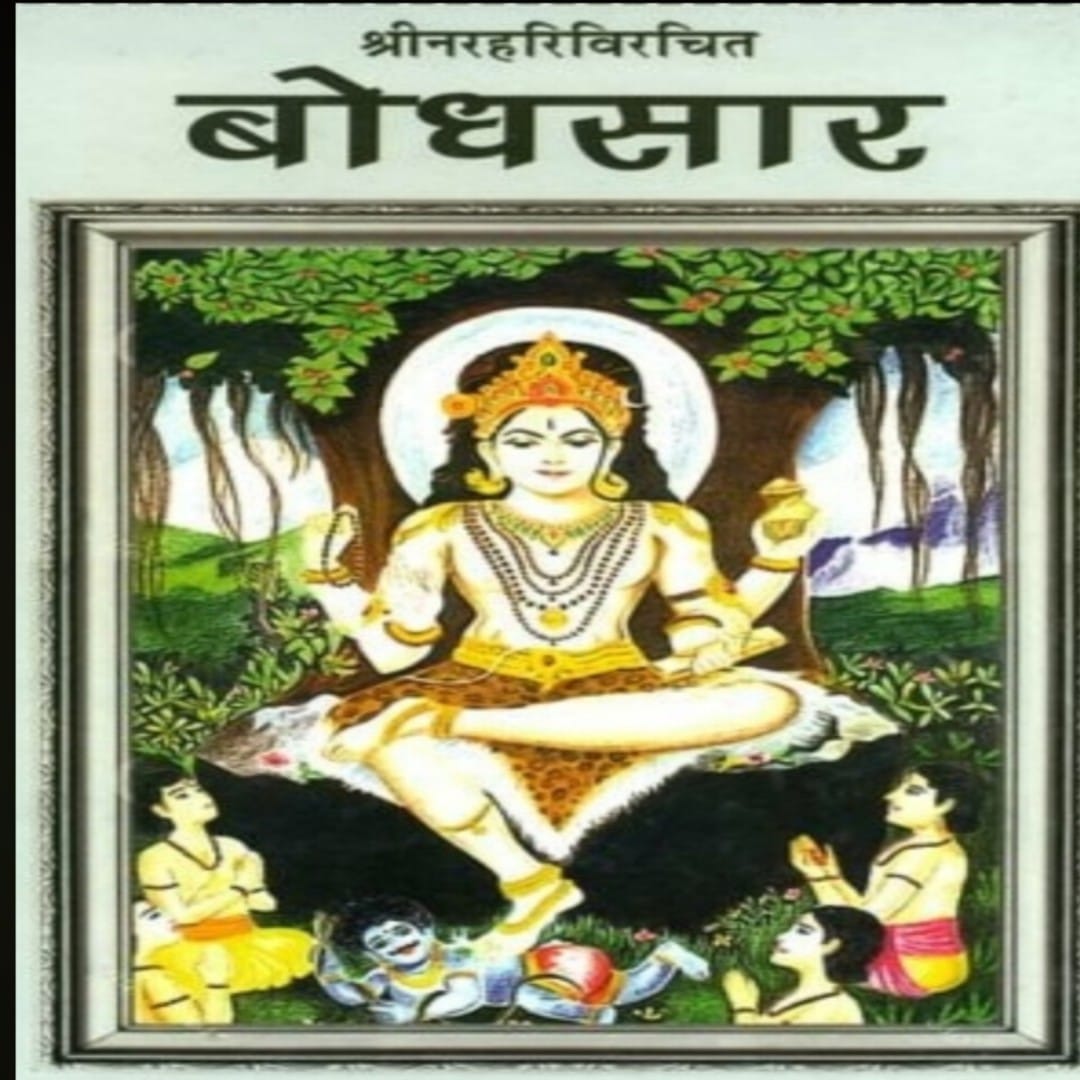
GLEANINGS FROM BODHASAARA
ॐ नमो भगवते परिज्ञानाश्रमाय ॐ (Let Bodhasaara remind us daily of our Parama Guru. )
ॐ सद्योजातं प्रपद्यामि सद्योजाताय वै नमो नमः ॐ
JAI SHANKAR
Not much is known about Acharya Narahari. It is believed he hailed from Varanasi and had a Guru
called Shri Anandabodha. Scholars place him between 1725 and 1825 A.D. BODHASAARA
has 1350 verses. It has a Sanskrit gloss, अर्थदीप, by his disciple called Divakara Pandit.
I will try to compile simple verses which are straightforward in meaning. Serial numbers are mine.
GLEANINGS FROM BODHASAARA
GLEANINGS FROM BODHASAARA-1
ॐ नमो भगवते परिज्ञानाश्रमाय ॐ
ॐ सद्योजातं प्रपद्यामि सद्योजाताय वै नमो नमः ॐ
JAI SHANKAR
Today is an auspicious day. It is the Janma Tithi of our Sadguru Shrimat Sadyojat Shankarashram Swamiji. He is entering the sixtieth year and it gives me great pleasure to start a new series – GLEANINGS FROM BODHASAARA. This launch serves two ends:
1. It is my homage to our Parama Guru, who gave me an opportunity to be of some service to Him on the pretext of getting this book.
2. This bouquet of Gleanings is my way of celebrating the entry into sixtieth year by our reigning Gurudev Shrimat Sadyojat Shankarashram Swamiji.
Sometime in 1970s I received a call in my office from late Shri Nalkur Shripadmam, the then President of the Standing Committee. He said: “Swamiji wants a book called बोधसार and He has told me to speak to you.”. I told him I will try to borrow the book from Bhavan’s Library, if it is there, since I am a member. Posthaste, I rushed to the library at Chowpaty. Luckily, a copy was there. I borrowed it for a month and hastened to Khar Anandashram. After customary salutations, I handed over the book to our beloved Parama Guru. . I can never forget His joyous reaction. It was as though I had accomplished a Herculean task and brought a rare treasure for Him! Later, while in Varanasi, HE secured the book from Chowkhamba Vidya Bhavan, the renowned booksellers there. Much later, my curiosity about the book made me to order a copy from Varanasi.
This book, बोधसार, by Acharya Narahari
was a favourite of our P.P. Swami Shrimat PARIJNANASHRAM-III. In Shree Chitrapura Guruparampara Charitra we read:
बोधसार नरहरि आचार्य लिखित। उपदेशिलें भक्तांसी बेंगळूरात।
आनन्द जाहला भक्तां अमित। श्रवण करितां गुरुवाणी।।२५।।
(Ch.६२). Again,चातुर्मासामाजी नित्य। नरहरिकृत बोधसार
स्तुत्य। कोंकणी व संस्कृतातूनी नित्य। उपदेशिती भक्तांसी।।७०।।
BODHASAARA was the theme of His discourses
at Bangalore, Khar Anandashram and in Canada.
Devotees who do पारायण of Shree CGPC may be
wondering what बोधसार is all about. So, I will try
to give the readers just a nodding acquaintance of it. In doing so, my strength and inspiration will be our P.P.Parama Guru whose favourite it was.
JAI SHANKAR
V. RAJAGOPAL BHAT 21-11-2023
VERSES 601 Onwards
601. जाग्रत् स्वप्न सुषुप्तानि पुनस्तानि त्वमीक्षसे।
तुरीयं तव धामैव न तत्किमिति पश्यसि।।
601. Again and again, you are seeing the coming and going of the three states of जाग्रत् स्वप्न and
सुषुप्ति. Your real home is the तुरीय (beyond and
behind the triad of states of consciousness
(अवस्था त्रय). Why don’t you see it?
NOTE: The above is an echo of Kaivalya Upanishad(verse 18): त्रिषु धामसु यत् भोज्यं भोक्ता भोगश्च यद्भवेत्। तेभ्यो विलक्षणः साक्षी चिन्मात्रोऽहं सदाशिवः।। (“I am the unsullied Consciousness; I am the ever peaceful Sadaashiva. I am distinct from and witness of what is to be experienced (भोज्यम्), the experiencing ego(भोक्ता) and the experience in the three stations(धाम)”). Tureeya is our real identity. In the outer world we wish to perform Chaar Dhaam Yaatraa(चार धाम यात्रा); but, in the spiritual kingdom within, we shy away from the fourth Dhaam, the Tureeya, our Self, the underlying screen for the triad of अवस्था-s(states of consciousness).
602. मा धाव सुखहेतोस्त्वं धावतां न सुखं सखे।
सुखरूपे निजे रूपे सुखं तिष्ठ सुखी भव।।
602. My friend, for the sake of happiness, please don’t run. Being on the run, gives no happiness. Abide in your true blissfull native state. Be happy!
NOTE: The साधक laments in a करुणाष्टक of Shri Samarth Ramadas – अचपळ मनमाझें नावरे आवरीतां। तुजविण शिणहोतो धावरे धाव आतां। During waking and dream states, we keep running to grab ‘happiness’.
Too late in the day we realise that it has been a wild goose chase.
सुख सुख म्हणतां हे द:ख ठाकूनि आले।
Happiness consists not(मा) in running(धाव), but, in seeking asylum in the Lotus Feet of माधव. माधव is the speed breaker for our धांव्डबलि (KonkaNi word for runathon). माधव tells us “don’t (मा) run (धाव), but, come to Me; throw away all your makeshift props and crutches… don’t grieve”
(सर्वधर्मान् परित्यज्य मामेकं शरणं व्रज।
अहं त्वा सर्वपापेभ्यो मोक्षयिष्यामि मा शुचः।।)
(गीता 18-66).
In his Abhang
आम्हीं सर्वकाळ कैंची समाधान।
व्यवसायें मन अभ्यासलें।।
Tukaram concludes: तुका म्हणे निद्रा जागृति
सुषुप्ति। तुम्हीं हो श्रीपती साक्षी येथें।। This sort of surrender and समर्पणभाव slows down the frenetic pace of our life. Yes, It is the ultimate speed breaker.
603. वर योग्यासि कल्याणि न स्थास्यसि वरं विना।
वरणीयो वरः तादृग् यो भवेद् अजरामर:।।
603. O Auspicious Maiden, you have attained
marriageable age; you cannot remain without a groom. Marry such a groom who is ever youthful and immortal.
NOTE: AN is addressing the soul as an eligible maiden and Brahman as the worthy groom. He is fond of imparting a poetic flavour now and then.
604. न शृणोषि वरं यावत् तावत् ते कम्पते मनः।
पश्चात् महोत्सवै भद्रे स्वामिनं त्वं वरिष्यसि।।
604. Until you hear about the groom, your mind will be restless. Later, O Auspicious One, you will wed your groom in a grand celebration!
NOTE: Self-Realization is a spiritual wedding.
Groom is called वर because he is sought after
(व्रियते). Yama tells Nachiketa in Kathopanishad
(1-2-23) that it is God who seeks out the aspiring soul. यमैवेष वृणुते तेन लभ्य:। God is realised by him, whom God seeks out and chooses. Just as we say:
When the disciple is ready, the Master
arrives it is equally true when the devotee is ready, God arrives. Self-Realization is a spiritual Svayamvara!
605. O Sakhi(girl friend)! heed my word and make merry now with that other Purusha. You will enjoy his company more and later, on your own, you will seek his company.
606. यातं दिनं न पुनरेति नवं वयस्ते।
लज्जां विहाय भज तं रमणीय रूपम्।।
बाले परः पुरुष एष यदा समेतः।
स्वर्गेण किं किमु तदा नृसुखेन वा ते।।
NOTE: In this concluding verse also, AN employs the पर पुरुष phraseology. The पर पुरुष is God Himself.
606. The day that is past doesn’t come back.
You are youthful. Give up your shyness and
serve that handsome suitor. My little girl!
When you will be cosy in the company of that
पर पुरुष, even the joys of heaven will count for
nothing, what to say of mere mortal joy!
NOTE: By the words ‘you are youthful'(नवं वयः),
AN is counselling us that one should move Godward when one is young rather than in the evening of life. Sri RamakrishNa also laid great stress on this. Says Prahlada: कौमार आचरेत् प्राज्ञः धर्मान् भागवतान् इह। दुर्लभं मानुषं जन्म तदप्याध्रुवमर्थदम् ।।
(“The wise one should cultivate devotion from early years. Human birth is rare, transient and fruitful.”)(7-6-1 Bhagavatam). Dhruva and Prahlada were boys. Nachiketa, Satyakama, Shvetaketu of the Upanishadic fame
were youngsters. So, too, the six who posed
questions to Sage Pippalada in Prashna Upanishad were all youngsters.
Shri Samartha Ramdas says: जगी शहाणे तेची तारुण्यकाळीं। करीना कधी विषयांची धुमाळी।।(करुणाष्टक).
Our प्रार्थनावर्ग and युवधारा and बालविकास classes of other spiritual Missions are all inspired by this lofty aim – ‘catch them young’ – to instill moral and spiritual values in them.
उपदेश षोडशी CONCLUDED.
TWENTY VERSES ON BRAHMA CHARCHAA
(DISCUSSION ON BRAHMAN)(ब्रह्मचर्चा विंशतिः)
607. अर्चा लक्षाधिका प्रोक्ता चर्चैव परमात्मनः।
अतः शिष्य प्रबोधाय ब्रह्मचर्चा निरूप्यते।।
607. Discussion(चर्चा) about God is said to equal His ritual worship(अर्चा ) more than a lakh times. Hence, for awakening the disciple spiritually, I launch into Brahma Charchaa.
608. आधारः सर्वभूतानां तस्याधारो न कश्चन।
निराधार स्वरूपं हि कथं ब्रह्म न कुत्रचित्।।
608. HE is the support for all creation; There is no support for Him. His nature(स्वरूप) is being supportless. How can we say He is nowhere?
NOTE: The above verse reminds us of a verse in Shiva Poojan during Mantra Pushpanjali:
हर विश्वाखिलाधार निराधार निराश्रय।
पुष्पाञ्जलिं गृहाणेश सोमेश्वर नमोऽस्तु ते।।
609. अधिष्ठानं विना कार्यं न तिष्ठति कदाचन।
सर्वाधिष्ठानरूपं हि कथं ब्रह्म न कुत्रचित्।।
609. No effect (produced by a cause) can remain without a supporting base. Brahman is the basis for all and everything. How can we say He is nowhere?
NOTE: The word चर्चा reminds me of the following verse from भज गोविन्दम् of AS: भगवद्गीता किञ्चिदधीता
गङ्गाजललवकणिका पीता। सकृदपि यस्य मुरारिसमर्चा तस्य यमः किं कुरुते चर्चाम्।। (If one has studied Gita even a little, sipped at least a drop of Ganga water, and worshipped the Lord even once – why will Yama(the god of death) bother to discuss about him?).
610. सर्वस्मात् तत् पृथग् ब्रह्म त्विति वक्तुं न शक्यते।
यदात्मकमिदं सर्वं सर्वस्मात् तत् पृथक् कथम्।।
610. “Brahman is distinct(पृथक्) from everything”
– you can’t say like this. He is everything; so,
how can He be separate from all this?
611. सर्वस्मात् अपृथग् ब्रह्म वक्तुमित्यपि नार्हसि।
सर्वस्मात् पृथगेवेदम् अनुभूतं महर्षिभिः।।
611. It is not also proper for you to say that Brahman is not separate from everything. Great sages have experienced Him separately from the world.
NOTE: God is not only immanent in His creation, but also transcendent. God minus creation is not Zero, but God only. As पुरुष सूक्त says: the creation is only a quarter of His being, three quarters remain above (पादोऽस्य विश्वा भूतानि, त्रिपादूर्ध्वमूदैत् पुरुषः।). Don’t we say
पूर्णस्य पूर्णमादाय पूर्णमेवावशिष्यते
(after substracting the full from the full, what remains is full only)?
AN says that the great sages experienced not only His immanence(सर्वत्मकत्व), but, also His transcendence(पृथक्त्व).
612. आत्मरूपमिदं वाच्यम् इति तर्कस्त्वया कृतः।
अनात्मरूपं किन्वस्ति स्वात्मरूपं यतस्त्विदम्।।
612. If you were to argue that Brahman is to be said as one’s own Self, I ask you: What is there that is not Self since everything is of the form of Atman only.
NOTE: In this and the following verses under ब्रह्मचर्चा, the purpose of AN is to point out that Brahman is indescribable and is not amenable to mere logic.. Did not Yama tell Nachiketa long long ago नैषा तर्केण मतिरापनीया?(This conviction or understanding is not attainable by mere logic-chopping).
In His Upadesha Panchakam AS says: Refrain from fallacious reasoning. Resort to reasoning employed in Upanishads.(दुस्तर्कात् सुविरम्यतां श्रुतिमतस्तर्कोऽनुसन्धीयताम्।)
Taittiriya Upanishad says: From Atman came आकाश, from आकाश came वायु, thence Agni, thence water and thence the earth(आत्मनः आकाशः संभूतः आकाशाद्वायुः वायोरग्निः अग्नेरापः अद्भ्यः पृथिवी।).
Hence the last sentence: Everything is of the form of Atman only.
779-A. विदेहस्य सदेहत्वं यदि न स्यात् तदा वद।