SHREE SHIVA SAHASRANAAMAAVALI 2
559 to 750

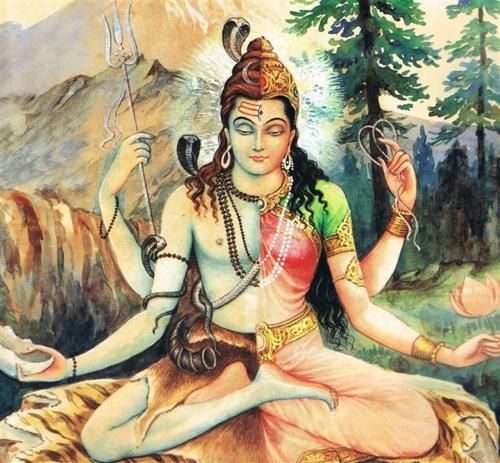
।। श्री।।
श्रीगणेशाय नमः
अस्य श्रीसदाशिवसहस्र नाममंत्रस्य, नारायण ऋषिः,श्रीसदाशिवो देवता,अनुष्टुपछंदः, सदाशिवो बीजम्, गौरी शक्तिः, श्रीसदाशिव प्रीत्यर्थं जपे विनियोगः।
“The seer of this glorious cluster of one thousand names of Shri Sadaashiva is NaaraayaNa. Shri Sadaashiva is the deity, AnushTup is the metre, Sadaashiva is the seed(that has expanded into the universe), Gauri is the shakti. These names are chanted to please the Lord, Shri Sadaashiva”.
The very fact that it is NaaraayaNa who visualised these Names shows that Shiva and VishNu are identical in essence.
शिव सहस्त्रनाम :
On the auspicious occasion of MahasShivaraatri, I have pleasure in commencing Shiva Sahasranaamaavali, the 1000 Names of our patron deity Shri Bhavanishankar.. I have already annotated the 108 Names of Shiva at great length with many cross references. I could indulge that luxury because the Names were only 108.
Now, since I have to attend to 1000 Names, I will be brief.
There are 1000 Names for almost every IshTadevataa, but, those of VishNu, Shiva and Lalitaa are more wellknown. Among
these three, Shiva’s 1000 Names are comparatively less popular.
Shiva Sahasranaama occurs in seven texts with variations in terms of both names and their sequence. The sources are:
1. 17th chapter of Anushaasana Parva of Mahaabhaarata.
2. Shivarahasya(an Itihaasa)
3. Padma PuraaNa
4. .Linga PuraaNa
5. Saura PuraaNa
6. Skanda PuraaNa
7. Shiva PuraaNa
The version now mostly in vogue is no.1 above, imparted by Shri KrishNa to Dharmaraaja (YudhishTira). Dharmaraaja was emotionally shattered after the Kurukshetra bloodbath. He was in utter depression. To enable him to get over it, Bhishma imparted to him the VishNu Sahasranaama(VSN). As suggested by Bhishma, Shri KrishNa imparted Shiva Sahasranaama (SSN) to Dharmaraaja. So, both these, VSN and SSN, were part of psycho-therapy, as it were,to
dispel the gloom that had encircled Dharmaraajaa’s mind.
KrishNa is an incarnation of VishNu. So, His telling these 1000 Names is like VishNu Himself glorifying Shiva. There are so many common names in VSN and SSN which I will highlight as we go forward. These two points suffice to validate the old saying that God is one, be He Keshava or Shiva (एको देव: केशवो वा
शिवो वा).
These anthologies(be they 108 or 1000)of Divine Names constitute a unique feature of Hinduism. As one keeps on chanting the Names, one after the other, our fickle mind turns turtle as it were. Nama(नम:) is the Mana(मन) upside down. As we chant each Name with नम:, our mind mellows down. It becomes more steady and serene. While deekshaa(initiation by a Guru) is prescribed for a mantra, such a stipulation does not apply to reciting these Names, be they 108 or 1000. These Names tell us about the attributes(guNa), deeds(karma) and exploits (leela) of the deity. Here and there, there are allusions to events found in mytholigy. It is said that repetition of ‘namaha’ makes us ‘namra'(humble) and lessens the clamour of desires (namyante asya kaamaah).
As VishNu PuraaNa puts it, “what could be obtained in Krita Yuga by meditation, in Treta Yuga by Yajna and formal worship in Dvaapara Yuga, becomes easily ours in Kali Yuga by simple recitation(keertana) of fhe glory of God.”. Each Name we chant is a simple glorification of the Lord. So, we need to understand what is it that we are glorifying. Hence this humble effort on my part.
As always Dear Satish Kulkarni of Goregaon has set apart a webpage for this series. Our heartfelt ‘thank you’ to him for this friendly gesture.
ATTACHED is the video of Aum Namah Shivaaya chanted by Smt. Anuradha Paudwal.
V.RAJAGOPAL BHAT
11-3-2021
559) ॐताम्रोष्ठाय नमः।
Aum Taamroshthaaya
namaha.
Salutations to Shiva with red(ताम्र) lips(ओष्ठ).
This probably refers to His furious and ferocious form as a samhaara-kartaa(संहार कर्ता) at the time of the Dark Night(kaala raatri) of Dissolution.
560) ॐ अम्बुजालाय नमः।
Aum Ambujaalaaya namaha.
Salutations to Shiva, who is present in sea
(ambujaala).
He is everywhere, He is everything, He is in everything — this is the sum and substance of any Sahasranaama.
561) सुनिश्चलाय नमः।
Aum Sunischalaaya namaha.
Salutations to Shiva who is in unmoving( स्थावर) things. No.560 refered to the sea and the present name refers to hills and mountains. Shiva is in them.When in Dhyaana, Shiva is steady and totally unmoving(sunishchala) like a rock.
562) ॐ कपिलाय नमः।
Aum Kapilaaya namaha.
Salutations to Shiva, manifest as Kapila.
Kapila was a great sage. His Upadesh to his
mother Devahooti is in Bhaagavatam. It is wellknown as Kapilopadesha and has a lucid Hindi commentary by Swami
Akhandananda Saraswati. In one of His
Ashirvachans,, Swami Parijnanashram has
said that Swami Anandashram gave Him this book and told Him to read it.
Kapila is the propounder of Saankhya Darshana(philosophy), one of the Shad-darshanaas(,six systems). In the Geetaa, Kapila is counted as one of the Vibhootis of the Lord(सिद्धानां कपिलो मुनिः
X-24).
563) ॐ कपिशाय नमः।
Aum Kapishaaya namaha.
Salutations to Shiva, who is in objects having kapisha colour. Kapisha is a blend of black
and yellow.
564) ॐ शुक्लाय नमः।
Aum Shuklaaya namaha.
Salutations to Shiva, who is in white objects.
and totally unmoving(sunishchala) like a rock.
565) ॐ आयुषे नमः।
Aum Aayushe namaha.
Salutations to Shiva, to whom we owe our
lifespan. Our aayushya is His gift.
566) ॐ पराय नमः।
Aum Paraaya namaha.
Salutations to Shiva, who is beyond(para)
all that is manifest as name and form.
He is beyond our senses, speech, mind and intellect. Says Moropant:
भू जल तेज समीर ख रवि शशि काष्ठादिकीं असे भरला।
स्थिर चर व्यापुनि अवघा तो जगदात्मा दशाङ्गुले उरला।।
The expression दशाङ्गुले उरला is the Maraathi
version of Purusha Sookta अत्यतिष्ठत् दशाङ्गुलम्। (God surpassed His creation by a measure of ten fingers i.e. He was पर)
567) ॐ अपराय नमः।
Aum Aparaaya namaha.
Though He is transcendant(para), yet, He is immanent(apara) in every atom in the
universe.
568) ॐ गन्धर्वाय नमः।
Aum Gandharvaaya namaha.
Salutations to Shiva, who is in the Gandharvaas.
Gandharvaas are heavenly singers like Chitraratha. We can generalise and construe
this word to mean musicians. Music is a
pathway to God.
569) ॐ अदितये नमः।
Aum Aditaye namaha.
Salutations to Shiva, who is present in Aditi,
the mother of gods.
570) ॐ तार्क्ष्याय नमः।
Aum Taarkshyaaya namaha.
Salutations to Shiva, present in GaruDa, vehicle of VishNu.
571) ॐ सुविज्ञेयाय नमः।
Aum Suvijneyaaya namaha.
Salutations to Shiva, who should be known
and experienced(vijneya) well(su).
The MuNDaka Upanishad counsels us:
तमेवैकम् जानथ आत्मानम् अन्या वाचो विमुञ्चथ।
अमृतस्य एष सेतु:,। (2-2-5)
“Know ye that One Self. Give up all other vain talk. He is the bridge of immortality”.
After beholding Vishvaroopa of Shri KrishNa,
Arjuna, in the course of his most memorable prayer, says: विज्ञातुमिच्छामि भवन्तमाद्यं। न हि प्रजानामि तव प्रवृत्तिम्।(XI-31
This name no.571 does not use the word ज्ञेय only, but, says विज्ञेय (experience) and that too vey well(su).
Samartha Raamadaasa says: “This samsaara is insubstantial. O my gentle mind, Discover the Truth”(नव्हे सार संसार हा घोर आहे। मना सज्जना सत्य शोधूनि पाहे।।(66). What is the Truth? God. Where is He and how is He? “He
is in the heart. Know Him. He is infinite like the sky”(वसे हृदयीं देव तो जाण ऐसा। नभाचे परी व्यपकू जाण तैसा।195) To ‘know’ Him, what should we do? We have to shed our body-
consciousness(I am the body). देहेबुद्धिचा
निश्चयो ज्या ढळेना। तया ज्ञान कल्पान्त काळीं कळेना।।
(191).God-realisation is impossible unless
we bid goodbye to the mistaken identity – I am the body..
Brahma-Sootra begins with the Sootra: अथातो
ब्रह्म जिज्ञासा (Now then the enquiry about Brahman).
572) ॐ सुशारदाय नमः।
Aum Sushaaradaaya
namaha.
Salutations to Shiva of excellent speech.
Geetaa says our speech should be:
अनुद्वेगकरं वाक्यं सत्यं प्रियहितं च यत् (XVII-15).
(it should not incite or provoke. It should be truthful, pleasing and salutary).
573) ॐपरश्वधायुधाय नमः।
Aum Parashvadhaayu dhaaya namaha.
Parashvadha means Parashu, axe. In 108 names we have ॐ परशुहस्ताय नमः।
Axe was probably a weapon used by Shiva.
Parashu is used for cutting down tree.
In the 15th chapter of Geetaa, verse 3,
we are advised to cut down the Peepal tree
of creation with the ‘weapon of non-attachment'(असंगशस्त्र).(axe of असंग).l
574) ॐ। देवाय नमः।
Aum Devaaya namaha.
Salutations to Deva. Deva from the root ‘,div’
has several meanings according to Dhaatu
Paatha. 1. To play(क्रीडा). The creation is His
playground. He sports, wearing the fancy- dress of names and forms. 2. To reveal
(द्योतन). He reveals by His light the entire
panaroma of names and forms to our senses.
3.To ignite(दीपयति)… He is not only
luminous, but, makes sun, moon, fire and stars also luminous by lending His lustre
to them (तस्य भासा सर्वमिदं विभाति). Ref also
15th chapter of Geetaa, verse no.12.
575) ॐ अनुकारिणे नमः।
Aum AnukaariNe namaha.
Salutations to Shiva, who responds equally.
Every action elicits an equal and opposie reaction – this law applies to God also. His response is commensurate with our approach As Samartha Ramadasa says in his Manaache Shloka: असे हो जया अन्तरी भाव जैसा।वसे हॊ तया अंतरी देवा तैसा।।35।।
Shri KrishNa says likewise in Geetaa(IV-11):
ये यथा मां प्रपद्यन्ते तांस्तथैव भजाम्यहम्। To those who come to Him with दास्य भाव(‘I am Your
servant’), the Lord becomes the Master(स्वामि). To those with सख्य भाव (like Arjuna), He becomes a friend. He was a child
to Yashoda who cherished वात्सल्य भाव. To the
Gopikaas, He was their Beloved.
There are four kinds of devotees(VII-16)
mentioned in Geetaa: Aarta(आर्त), Arthaarthi
(अर्थार्थि), Jijnaasu (जिज्ञासु) and Jnaani (ज्ञानि).
Lord will respond to all of them in their own
measure. He will not respond to a distressed(आर्त) devotee as He would to a Jnaani.There is no mismatch in His response.
576) ॐ सुबांधवाय नमः।
Aum Subaandhavaaya
namaha.
Salutations to our best kinsman.
Kith and kin are called बांधव. In our daily prayer त्वमेव माता…… we say त्वमेव बन्धुश्च (You
alone are our kith and kin). God is our su(best) relative.
Our kith and kin cannot accompany us to the Great Beyond. As Manu,
the lawgiver says, relatives will turn back from the crematorium and only Dharma will follow him:
मृतं शरीरमुत्सृज्य काष्टलोष्टसमं क्षितौ।
विमुखा: बान्धवा यान्ति धर्मस्तदनुगच्छति।(4-441).
God is a special and unique बांधव because He keeps our company even thereafter. In the words of saint Tukaaraam, जेथे जातो तेथें तू माझा सांगाती।. God will never forsake His daasa(दास). As Samartha Raamadasa says: नुपेक्षी कदा राम दासाभिमानी (Manaache
Shloka).God is our eternal kinsman(बांधव).
SR advises us to treat Raama as our own baandhava. He says: रघूनायका आपुलेंसें करावें(42).
577) ॐ तुंबुवीणाय नमः।
Aum TumbuveeNaaya namaha.
Salutations to the Player on TumbuveeNaa,
a stringed instrument.
578) ॐ महाक्रोधाय नमः।
Aum Jaleshayaya namaha.
Salutations to Shiva, sleeping in the waters.
This name equates Shiva with VishNu. The God who sleeps in waters is VishNu as Baalmukund(बालमुकुन्द), floating on a banyan leaf(वटपत्र)(वटपत्रशयन).at the time of deluge.
(जलप्रळय).Aum Mahaakrodhaaya namaha.
Salutations to Shiva with great anger.
Demons – the wicked and the vicious – provoke His wrath. Our errors of omission and commission also incite His anger(मन्यु).
Our Rudraabhisheka mantraas begin by saluting His holy wrath(नमस्ते रुद्र मन्यव).
579) ॐ ऊर्ध्वंरेतसे नमः।
Aum Oordhvaretase namaha.
Salutations to Shiva, the celibate.
A true celibate(,brahmachaari) sublimates
(oordhva, upwards) his virility(retas). Retas
represents vigour and energy. A Brahmachaari, as the name signifies, lives,
moves(चरति) and has his being in Brahman.He conserves his energy (retas) for the pursuit of higher(oordhva) values.
Can we ever imagine that God will squander away His energy? He will always harness His energy(retas) for higher(oordhva) purpose than mere creation of the world.
These higher(oordhva) purposes are: protection of the good and the righteous (परित्राणाय साधूनां), chastisement of the wicked and the vicious(विनाशाय च दुष्कृताम्)
and establishment of Dharma(धर्म संस्थापना)
579) ॐ ऊर्ध्वंरेतसे नमः।
Aum Oordhvaretase namaha.
Salutations to Shiva, the celibate.
A true celibate(,brahmachaari) sublimates
(oordhva, upwards) his virility(retas). Retas
represents vigour and energy. A Brahmachaari, as the name signifies, lives,
moves(चरति) and has his being in Brahman.He conserves his energy (retas) for the pursuit of higher(oordhva) values.
Can we ever imagine that God will squander away His energy? He will always harness His energy(retas) for higher(oordhva) purpose than mere creation of the world.
These higher(oordhva) purposes are: protection of the good and the righteous (परित्राणाय साधूनां), chastisement of the wicked and the vicious(विनाशाय च दुष्कृताम्)
and establishment of Dharma(धर्म संस्थापना)
580) ॐ जलेशयाय नमः।
Aum Jaleshayaya namaha.
Salutations to Shiva, sleeping in the waters.
This name equates Shiva with VishNu. The God who sleeps in waters is VishNu as Baalmukund(बालमुकुन्द), floating on a banyan leaf(वटपत्र)(वटपत्रशयन).at the time of deluge.
(जलप्रळय).
581) ॐ उग्राय नमः।
Aum Ugraaya Namaha.
(no.421 in VSN)
Salutations to the ferocious Shiva.
The calm and quiet Shiva can be ferocious when occasion demands. Did not VishNu, who is always प्रसन्न वदन, become Ugra
Narasimha?
During Shiva-poojan we say: Ugraaya Vaayu-
moortaye namaha. Vayu is one the eight(अष्ट)
moortis of Shiva. A few days back we all saw the Ugra -face of Vaayu: the
devastating ‘Tauktae’ cyclonic storm. It halted even the vaccination programme!
582) ॐ वंशकराय नमः।
Aum Vamshakaraaya namaha.
(no.846 in VSN is Vamshavardhana).
Salutations to the Patriarch.
Bhishma is the Pitaamaha of the Kuruvamsha. He is their Vamshakara. Likewise, All living beings constitute the lineage of Shiva. We are all members of His
Vamsha and He is our Vamshakara.
583) ॐ वंशाय नमः।
Aum Vamshaaya namaha..
Salutations to the dynasty(vamsha).
He is resident in all the the living beings(His Vamsha) as the inner monitor(antaryaami). Every जीव who is His अंश is part of His वंश
584) ॐ वंश नादाय नमः।
Aum Vamsha -naadaaya
namaha.
Salutations to Shiva, fond of the sound of
bamboo(vamsha).
This name equates Shiva with Krishna.who enthralled one and all with the sound(naada) of flute(bamboo, वंश).
585) ॐ अनिन्दिताय नमः।
Aum Aninditaaya namaha.
Salutations to Shiva, who is unaffected by blame or slander.
God is above praise or blame.
586) ॐ सर्वाङ्गरूपाय नमः।
AAum Sarvaanga-roopaaya namaha.
Salutations to Shiva with all beautiful limbs.
He is Satyam-Shivam-Sundaram.
587) ॐ मायाविने नमः।
um Maayaavine namaha.
Salutations to Shiva, the Wielder of Maayaa.
The Shvetaashvatara Upanishad says:
मायां तु प्रकृतिं विद्यात् मायिनं तु महेश्वरम्।(4-10).
(“Know Prakriti, Nature, to be Maayaa and Maheshvara, the wielder of Maayaa”).
As said earlier in this series now and then,
Shri KrishNa tells in Geetaa: “मम माया दुरत्यया”
(Maayaa is mine and difficult to tide over
unless we surrender to Him)(7-14).
588) ॐ सुहृदे नमः।
Aum Aninditaaya namaha.
Salutations to Shiva, who is unaffected by blame or slander.
God is above praise or blame.
589) ॐ अनिलाय नमः।
Aum Anilaaya namaha.
(no.234, 812 in VSN).
Salutations to Shiva in the form of air/wind.
Vaayu(अनिल) is one of the eight moortis(अष्ट
मूर्ति) of Shiva(Aum Ugraaya Vaayumoortaye namaha).
.
590) ॐ अनलाय नम:।
Aum Analaaya namaha.
(no.293, 711 in VSN).
Salutations to Shiva, manifest as fire(ॐ रुद्राय
अग्निमूर्तये नमः).Even Devi is firy(अनलात्मिका)(see Her Dhyaana-shloka).
Fire is one of the Eight Moortis of Shiva.
591) ॐबन्धनाय नमः।
Aum Bandhanaayanaaya
namaha.
Salutations to that with which we are bound.
Shiva is Pashupati and we are all bound by the पाश of माया and मोह. It is He who binds us
and He, who redeems too. God being everything, He himself is the पाश too.
592)ॐ बन्धकर्त्रे नमः।
Aum Bandhakartre namaha.
Salutations to Shiva, who binds us.
593) ॐ सुबन्ध विमोचनाय नमः।
Aum Analaaya namaha.
(no.293, 711 in VSN).
Salutations to Shiva, manifest as fire(ॐ रुद्राय
अग्निमूर्तये नमः).Even Devi is firy(अनलात्मिका)(see Her Dhyaana-shloka).
Fire is one of the Eight Moortis of Shiva.
Aum Subandha
Vimochanaaya namaha.
Salutations to Shiva, who releases us properly(su) from bondage.
Shiva is the bond, the binder and the saviour who releases us from the bond! Pure Advaita
indeed!
Actually, it is Mahaamaayaa, the subject matter of Durgaa Saptashati(Navaraatra Nityapaatha) who does all the above. As Sri
RamakrishNa said, She binds us when She is in Avidyaa Maayaa mode and She releases us as Vidyaa Maayaa. Because Shiva and
Shakti are ‘abhinna’ (non-different), Shiva is
credited with above names.
594)ॐ सयज्ञारये नमः। Aum Sayajnaaraye namaha.
Salutations to Shiva who is with(sa) the
enemies(अरय:) of sacrifice(yajna).
The demons(राक्षस) are the foes of those who
perform Yajna. They vandalise the altar or throw filth into the sacrificial fire. But, even in
these saboteurs, Shiva is there within them
as their Antaryaami.
In Namakam of Rudraadhyaaya(3rd Anuvaaka), salutations are given APPARENTLY to 11 types of cheats, thieves, and robbers, but, they are ACTUALLY for Shiva within them as the Antaraatman.
594)ॐ सयज्ञारये नमः।
Aum Sayajnaaraye namaha.
Salutations to Shiva who is with(sa) the
enemies(अरय:) of sacrifice(yajna).
The demons(राक्षस) are the foes of those who
perform Yajna. They vandalise the altar or throw filth into the sacrificial fire. But, even in
these saboteurs, Shiva is there within them
as their Antaryaami.
In Namakam of Rudraadhyaaya(3rd Anuvaaka), salutations are given APPARENTLY to 11 types of cheats, thieves, and robbers, but, they are ACTUALLY for Shiva within them as the Antaraatman.
595).ॐ सकामारये नमः।
Aum Sakaamaaraye namaha.
Salutations to Shiva, who is in the Yogis.
Foes(ari) of lust, Cupid(kaama) signify Yogis
(godly people) who have risen above lust,.
It does not matter whether they are Karma
Yogis, Raajayogis, Bhakti Yogis or Jnaana
Yogis. Shiva is with(sa) them.
596) ॐ महादंष्ट्राय नम।
Salutations to Him, with huge jaws and /or molars (daaDi in Konkani).
This refers to God as Narasimha or Varaaha
(wild boar) incarnations.
597) ॐ महायुधाय नमः।
Aum Mahaayudhaaya
namaha.
Salutations to Shiva with most powerful weapons.
His arsenal is very rich in variety. Arjuna had
secured Paashupataastra from Shiva.
598) ॐ बहुधा निन्दिताय नमः।
Aum Bahudhaa
Ninditaaya namaha.
Salutations to Shiva, vilified and slandered
by many in many ways.
This is an interesting name. No.585 was
Aninditaaya namaha. The name now under
consideration is its opposite!
God is unaffected by our praise or blame.We have seen God is like a mirror(darpaNa, no.425). The mirror smiles or frowns depending on our gesture.
How are we to interpret the present name?
1. We, even socalled devotees, tend to blame or vilify God when calamity befalls us. “Why me?” – this becomes our stock response.
2.Atheists always poke fun or taunt us as to
how so much evil or misery is there when God is said to be compassionate.
3.Most importantly, just as every salutation
reaches Keshava(सर्वदेव नमस्कारः केशवं प्रतिगच्छति), it is equally true that vilification
or contempt meted out to any soul also
reaches Him(सर्वजीव तिरस्कारः केशवं प्रतिगच्छति).
In this way, God becomes our target of blame, slander and vilification. KrishNa was
always vilified, called names and abused by
Kamsa, Dantavakra, Shishupaala etc(see
Bhaagavatam).Despite all this, the Lord remained as playful as ever.
599) ॐ शर्वाय नमः।
600) ॐशङ्कराय नमः।
Aum Shankaraaya namaha.
Salutations to the Benefactor.
शं करोति इति शङ्कर:। Shankara is he, who does
good(शम्) to the world. In this sense, every chosen deity(ishTa deva) is a Shankara.
शङ्करो लोकशङ्कर:(universal benefactor).
601) ॐशङ्कराय नमः।
Aum Shankaraaya। namaha।
Salutations to the Dispeller of Doubt.
No.601 is the same as 600, but, the meaning is different. Here it refers to the Guru. It does not refer to Aadi Shankaraacharya because
Shiva Sahasranaama predates the great
Aachaarya. The Guru dispels(राति)(दहति) doubt(शङ्काम्), so he is Shankara. The Guru-
Bhajana Stotra describes the Guru as skilled in uprooting the doubts: संशयोच्चेदने दक्षः। (no.6).
602) ॐअधनाय नमः।
603) ॐअमरेशाय नमः।
Aum Amareshaaya namaha।
Salutations to the Ruler(eesha) of gods(amara).
604) ॐमहादेवाय नमः। Aum Mahaadevaaya
namaha।
Salutations to Shiva, the Great God. Shiva is महादेव because He is Ruler of the gods(earlier name no.603).
604) ॐमहादेवाय नमः।
Aum Mahaadevaaya
namaha।
Salutations to Shiva, the Great God. Shiva is महादेव because He is Ruler of the gods(earlier name no.603).
605) ॐ विश्वदेवाय नमः।
606) ॐ सुरारिघ्ने नमः।
Aum Suraarighne namaha। (In VSN no.208 is सुरारिहा.
Salutations to the Annihilator(ghne) of the
enemies(ari) of gods(sura).
The enemies of gods are the demons and
Shiva is their annihilator.
607) ॐ अहिर्बुध्न्याय नमः।
Aum Mahaadevaaya namaha।
Salutations to Shiva, the Great God. Shiva is महादेव because He is Ruler of the gods(earlier name no.603).Aum Ahirbudhnyaaya namaha।
Salutations to Shiva who is in Aadishesha.
Ahi means serpent and budhna means at the bottom. At the bottom of the earth is Aadishesha, the legendary serpent who bears the burden of the earth,.Like all else in the universe, Shiva is in Aadishesha too.
At the bottom(budhna) of the spinal column, in the human system, the Serpent(ahi) Power, KunDalini, lies coiled up. This KunDalini is also His glory.
Ahirbudhna is one of the eleven(ekaadasha) Rudraas.
608) ॐ अनिलाभाय नमः।
609) ॐ चेकितानाय नमः।
Aum Suraarighne namaha। (In VSN no.208 is सुरारिहा.
Salutations to the Annihilator(ghne) of the
enemies(ari) of gods(sura).
The enemies of gods are the demons and
Shiva is their annihilator.
610) ॐ हविषे नमः।
Aum Havishe namaha।l
(no.698 in VSN).
Salutations to the ultimate recipient of sacrificial offerings(हविष्).
No.438 was also same as the present one,but, the meaning is different. There the
word meant sacrificial offerings.Now, it
means the ultimate recipient of Havish.Oblations are offered invoking different devataas with स्वाहाकार (इन्द्राय स्वाहा,
वरुणाय स्वाहा). The ultimate recipient is Shiva, who is present in all these devataas.
In Geetaa(4-24) we have ब्रह्मार्पणं ब्रह्म हविः।
611) ॐ अजैकपदे नमः।
612) ॐ कपालिने नमः।
Aum Kapaaline namaha.
(no.24 among 108 names).
Salutations to Shiva with the skull (of
Brahmaa) in hand.
To atone for plucking out one face(that uttered a lie),of Brahmaa, Shiva became a mendicant and sought alms for one year,
using Brahma-kapaala as the begging bowl.. God?
613) ॐत्रिशङ्कवे नमः।
Aum Trishankave namaha.
Salutations to Shiva with the three(त्रि) pivots
(शङ्कुः)।
A cow is allowed to graze by its master who
drives a pivot into the ground and fastens one end of the rope to it, the other end being around the cow’s neck. Every soul in samsaara is in the same plight as the cow, but, instead of one, there are three pivots
called three guNaas(satva, rajas and tamas).None is without them, says the Lord in Geetaa:
न तदस्ति पृथिव्यां वा दिवि देवेषु वा पुनः।सत्वं प्रकृतिजै:
मुक्तं यदेभि: स्यात् त्रिभिर्गुणैः।।(XVIII-40).
(“There is none on the earth or in heaven among gods, who is free from the three guNaas born of Prakriti”).
So, every jeeva is a trishanku and it is Shiva
manifest as jeeva(जीवो ब्रह्मैवनापरः).
614) ॐअजिताय नमः।
615) ॐशिवाय नमः।
Aum Kapaaline namaha.
(no.24 among 108 names).
Salutations to Shiva with the skull (of
Brahmaa) in hand.
To atone for plucking out one face(that uttered a lie),of Brahmaa, Shiva became a mendicant and sought alms for one year,
using Brahma-kapaala as the begging bowl.. God?
616) ॐधन्वन्तरये नमः।
Salutations to Dhanvantari.
Dhanvantari is the Father of Aayurveda. He is also the physician of gods. He is considered one of VishNu’s minor incarnations. It was
Dhanvantari who came up with the vessel of
Amrita during Samudra Manthan. Dhanteras
(13th day of KrishNa Paksha of lunar month Ashwij) is also known as Dhanvantari Trayodashi and since 28-10-2016 it is being observed as the National Ayurveda Day..
Above name no.616 is intended to impress upon us that Shiva’s grace is on Dhanvantari also.
617) ॐ धूमकेतवे नमः।
618) ॐ स्कन्दाय नमः।
Aum Skandaaya namaha.
Salutations to Shiva, who is in Kaartikeya.
Skanda is known as Kaartikeya and also as SubrahmaNya. He is the elder brother of Ganapati.
In the Geetaa, Skanda is counted as one of the Vibhootis of the Lord: सेनानीनाम् अहं स्कन्दः X-24).
619) ॐवैश्रवणाय नमः।
Aum VaishravaNaaya
namaha.
Salutations to Shiva, who is in Kubera, the
Heavenly Treasurer. also known as VaishravaNa.
Etymologically God Himself is VaishravaNa.
He is listening(श्रवण) to various (विविध, विशेष)prayers from devotees of different kinds. In the Manyu Sookta we read: नमो
वयं वैश्रवणाय कुर्महे। (We are offering salutations to VaishravaNa, God Almighty).
620) ॐधात्रे नमः।
621) ॐ शक्राय नमः।
Aum Shakraaya namaha.
Salutations to Indra(Shakra). शक्नोति इति शक्रः।
Indra is called Shakra because he is capable
of being the ruler of Svarga. Shiva is in him.
622) ॐविष्णवे नमः।
Aum VishNave namaha.
(no.2,258, 657 in VSN).
VishNu means He, who pervades(व्याप्नोति),
encircles(वेवेष्टि) and who has entered(विशति) into all.
Salutations to Shiva who is identical with VishNu.
623) ॐ मित्राय नमः।
624) ॐ त्वष्ट्रे नमः।
Aum TvashTre namaha ((no.52 in VSN).
Salutations to the heavenly sculptor, TvashTaa, in whom Shiva is present.
625) ॐ ध्रुवाय नमः।
Aum Dhruvaaya namaha
(no.54, 388 in VSN)
Salutations to Shiva, the Firm, Fixed and Stable(कूटस्थम् अचलं ध्रुवम् – गीता).
Yama tells Nachiketa that the discriminating people(dheeraah), having understood what
the permanent(dhruvam) immortality(amritatva) is, do not pray (न
प्रार्थयन्ते) for anything impermanent (adhruva).
अथ धीराः अमृतत्वं विदित्वा/ध्रुवम् अध्रुवेश्विह न प्रार्थयन्ते।
(Kathopanishad 2-1-2).
626) ॐ धराय नमः।
627) ॐ प्रभावाय नमः।
Aum Prabhaavaaya
namaha.
Salutations to Shiva, whose influence is all-
pervading. All the elements like fire air etc
discharge their functions due to His प्रभाव. तेन विना तृणमपि न चलति (Without Him, even a blade of grass moves not). This is the measure of
His influence.
Another meaning of this word is “He brings about-bhaavayati- exceedingly well(प्रकर्षेण)
the origin and dissolution of the universe.”
The Lord says in Geetaa: “The multitude of
beings emerging again and again gets
dissolved at the coming of the Night of Brahmaa. At the coming of Brahmaa’s day, it
comes into being involuntarily once again”.(VIII-19).
भूतग्रामः स एवायं भूत्वा भूत्वा प्रलीयते।
रात्र्यागमेऽवश: पार्थ प्रभवत्यहरागमे।।
This cosmic play is due to His influence
(prabhaava).
628) ॐ सर्वगाय नमः।
Aum Sarvagaaya namaha
629) (no.123 in VSN).
Salutations to Shiva, who goes(गच्छति)
everywhere(सर्वत्र). This is another way of saying He is Omnipresent.
629) ॐअर्यमणे नमः।
630) ॐ सवित्रे नमः।
Aum Savitre namaha.
Salutations to the Sun.
The conventional meaning(अर्थ according to रूढिः) of Savita is the sun, but, the etymological(यौगिक) meaning is प्रसविता, the
originator of the world(सर्वस्य जगतः प्रसविता).. The Gayatri mantra invokes God symbolised by the sun, who is the visible God(saguNa roopa).
631) ॐ रवये नमः।
Aum Ravaye namaha.
Salutations to the Sun.
God, symbolised by Sun, is called Ravi because He is praised(रूयते स्तूयते इति) by the Vedaas etc.
632) ॐ उषङ्गवे नमः।
633) ॐ विधात्रे नमः।
Aum Vidhaatre namaha.
Salutations to the Ordainer.
God is our भाग्य विधाता। He apportions our कर्म फल appropriately.
Tukaram says: सत्य संकल्पाचा दाता भगवान।
सर्व करी पूर्ण मनोरथ।।
634) ॐ मान्धात्रे नमः।
Aum Maandhaatre namaha.
Salutations to Maandhaataa.
Maandhaataa was a great king and a devotee.
635) ॐ भूतभावनाय नमः।
636) ॐ विभवे नमः।
Aum Vibhave namaha.
Salutations to Shiva, appearing variously.
विविध रूपेण भवति इति विभुः। Shiva is manifest in a variety of names and forms.
637) ॐ वर्ण विभाविने नमः।
Aum VarNavibhaavine namaha।
Salutations to Shiva, the Projector of VarNa.
In the Geetaa, the Lord says: “I have classified mankind into four VarNaas according to their guNa and Karma'(IV-13).
(चातुर्वर्ण्यं मया सृष्टं गुणकर्मविभागशः।)
BraahmaNa, Kshatriya, Vaishya,, Shoodra(the
intellectual class, military class, business class and service class respectively).
– these are the four VarNaas.
VarNa also means colour and Shiva has
arranged(bhaavayati) various(vi, vividha) colours to be splashed across the length and breadth of creation. Nature, its flaura and fauna, are dyed in a riot of colours, prompting us to ask(as in a film song) “who is that artist?”(वह कौन चित्रकार?)
Language is a gift of God. VarNamaalaa —
(वर्णमाला alphabets) – owes its origin to Shiva’s TaaNDava. The sounds emanating from His damaru(small drum) came to be known as the 14 Maaheshvara Sootraas, the basis of PaaNinian grammar.
638) ॐ सर्वकामगुणावहाय नमः।
639) ॐ पद्मानाभाय नमः।
Aum Padmanaabhaaya namaha.(it is in VSN)
Salutations to Padmanaabha।
This name literally applies to VishNu, from whose navel has arisen a lotus, sheltering Brahmaa. Crediting Shiva with this name is a pointer to the essential non-difference between Shiva and VishNu(Hariharaadvaita).
The esoteric meaning(अन्तरार्थ) is God resides
in the centre(naabhi) of the lotus(padma)
of our heart(ईश्वरः सर्वभतानां हृद्देशे अर्जुन तिष्टति
640) ॐ महागर्भाय नमः।
Aum Mahaagarbhaaya
namaha.
Salutations to Shiva, in whose mighty womb
lies the universe.
641) ॐ चन्द्रवक्त्राय नमः।
642) ॐ अनिलाय नमः।
Aum Anilaaya namaha.
Salutations to Shiva, manifest as the PraaNa (Vital breath). (अनंति अनेन इति अनिलः ) (अन् प्राणने)
No.589 (same name) stood for air or the wind in general.
643) ॐ अनलाय नमः।
Aum Analaaya namaha.
Salutations to Shiva, manifest as the vital heat(warmth in the body)(अनन्ति जीवन्ति अनेन
इति अनलः)
No.590(same name) stood for fire in general.
644)ॐ बलवते नमः।
645) ॐ उपशान्ताय नमः।
Aum Upashaantaaya
namaha.
Salutations to the Peaceful Shiva.
Shiva is peaceful. He is perpetually peaceful
(Sadaashiva).We may wonder: What does it avail me if He is sitting peacefully in the snowcapped Kailaasa? This name assures us that He is not faraway, but, upa(समीपे), very close, in the region of the heart(in the language of Geetaa)(hrit deshe हृत् देशे). So, it is upto us to draw from that infinite reservoir of peace(shaanti) which is so close to us(upa).
646) ॐ पुराणाय नमः।
Aum PuraaNaaya namaha.
Salutations to the Most Ancient Shiva.
This word comes up often in Geetaa.
Aatman is ageless, says the Lord(अजो नित्यः
शाश्वतोऽयं पुराणः – 2-20).God is omniscient, ageless and a regulator(कविं पुराणम् अनुशासितारम् – 8-11).
The word PuraaNa also means ‘old and yet new'(पुरा अपि नवम्). The sun is old and yet new with every sunrise. The just risen sun is called Sadyojaata(just born). God is Ageless and yet new with every childbirth(नवो नवो भवति जायमानः – RgVeda 10-85-19)and Avataara. The Yajurveda puts it beautifully
अजायमानो बहुधा विजायते 31-19).(The Birthless
is born variously). The literature called पुराण is so named because though composed long ago (पुरा), yet its message is modern(नवम्).
647) ॐ पुण्य चञ्चवे नमः।
648) ॐ इत्यै नमः।
Aum Ityai namaha।
Salutations to the Finale.
God is both the Atha and the Iti of creation. Atha marks the beginning and Iti is the finale. He is both the prefix and the suffix of creation. While we begin, we say Atha(अथ भगवान् उवाच) and while concluding, we say Iti(इति श्रीमद् भगवद् गीतायाम्….).
649) ॐ कुरु कर्त्रे नमः।
Aum Kurukartre namaha
Salutations to Shiva, the Ideal Guru.
Kuru means “do” and Kartaa means one who
does. There are preachers in plenty who keep telling us what to do, but, they themselves don’t practise what they preach. Who is an
Aachaarya? He, who himself practises his
teaching, is a Master(स्वयम् आचरते यस्तु आचार्य:
सः प्रकीर्तितः). We hail Shri KrishNa as Jagadguru(कृष्णं वन्दे जगद्गुरुम्). He taught Karma Yoga to Arjuna and illustrated it in
the various(even menial) roles He played in Mahaabhaarata. Shiva also personifies
dispassion(vairaagya), detachment etc
taught by Him to Shri Raama in Shiva Geetaa. यः क्रियावान् स पण्डितः। He is a Pandit
who is a ‘doer’.
When Shiva descended as Aadi Shankara, he was at once a preacher(kuru, do) and a
practitioner(kartaa) rolled into one.This name is an excellent portrait of an ideal गुरु .
Says Samartha Raamadaasa: मुखें बोलिल्या सारिखें चालताहे। मना सद्गुरु तोचि शोधूनि पाहें।। 182।।
(O mind, look for him, the true Sadguru, who
walks the talk).
650) ॐ कुरुवासिने नमः।
651) ॐ पुरुहूताय नमः।
Aum Puruhootaaya
namaha.
Salutations to Shiva, who is greatly(puru)
invoked, praised(hootaaya).
A RgVedic mantra says: जयेम कारे पुरुहूत कारिणे
(May we be victors, O Puruhoota, much invoked in the songs of the poets)(8-21-12)
In the Vedaas, God is invoked not only as Puruhoota, but also as PurushTuta(praised by many) and Pururoopa(assuming many names and forms)(RgVeda 5-8-5).
God is invoked and praised all over the world by votaries of different religions in their own
language or dialect. Sacred books may vary
; Vedaas, Bible, Koran, Torah/Talmud, Zend
Avesta etc – but, the common object of adoration is God. So, He is called Puruhoota.
652) ॐ गुणौषधाय नमः।
Aum GuNoushadhaaya
namaha.
Salutations to Shiva, the booster for our moral and spiritual values…
Plants thrive when treated with manure and
fertilisers. Spirituality acts like manure to
our moral values(guNa). God-remembrance is an Oushadha, a medicine. It promotes the full flowering of daivi sampat(moral and spiritual values) in us.
Says AS in his Shivaanandalahari:
शम्भुध्यान वसंत्त संगिनि हृदारामेऽघ जीर्णच्छदाः
स्रस्ता भक्तिलाताच्छटा विलसिताः पुण्य प्रवालश्रिताः।
दीप्यन्ते गुणकोरकाः जपवचः पुष्पाणि सद्वासना
ज्ञानानन्द सुधा मरन्द लहरी संवित्फलाभ्युन्नतिः।।47।।
(“The springtime of divine contemplation
having arrived in the garden of my heart, the ripe leaves of sin have fallen away and the
creepers of devotion, bearing the sprouts of
virtuous acts, have begun to spread, while the buds of virtue, the flowers of holy chants, the fragrance of pious impulses, the flow of honey in the form of bliss that Knowledge
brings and the fruit of Self-Realization have
begun to flourish.”)
653) ॐ सर्वाश्रयाय नमः।
654)ॐ दर्भचारिणे नमः।
Aum DarbhachaariNe namaha.
Salutations to Shiva, who pervades the Darbha grass.
Llike VishNu(यज्ञो वै विष्णु:), Shiva is also
Yajna-purusha and pervades all the articles
of Yajna including the sacred darbhaa grass
spread over the altar(यज्ञ वेदि).
655) ॐसर्वप्राणि पतये नमः।
Aum SarvapraaNipataye namaha.
Salutations to the Lord(pati) of all beings(सर्वं
प्राणि).
656) ॐ देवदेवाय नमः।
657) ॐ सुखासक्ताय नमः।
Aum Sukhaasaktaaya
namaha.
Salutations to Shiva, immersed in His own bliss.
The सुख refers to आत्मानन्द. He is चिदनन्दरूप: शिवः।
658) ॐ सदसते नमः।
Aum Sadasate namaha..
Salutations to Shiva, who is both the cause
(सत्) and the effect(असत्).
Shiva is the gold, Shiva is the ornament.
Shiva is the clay, Shiva the pottery.
Shiva is the ocean, Shiva the wave.
659) ॐ सर्वरत्नविदे नमः।
660) ॐ कैलासगिरिवासिने नमः।
Aum Kailaasagiri-
vaasine namaha.
Salutations to the resident of Mount Kailaasa.
Etymologically, Kailaasa is the ecstatic dance(laasa) of Liberation(Kaivalya).In the divine frenzy of devotion, Chaitanya, Sri
Ramakrishna etc used to dance ecstatically.
That state is Kailaasa.
661) ॐहिमवद्गिरि संश्रायाय नमः।
Aum Himavadgiri-samshrayaaya namaha.
Salutations to Shiva, who takes shelter in
Himalayas. Devi Paarvati is daughter of
Himalaya and Shiva , naturally, treats it as His second home.
662)ॐ कूलहारिणे नमः।
663) ॐ कूलकर्त्रे नमः।
Aum Koolakartre Namaha
Salutations to Shiva, the Provider of the Banks.
This name is the opposite of no.662. Geetaa
abounds in so many soothing assurances for the devout: योगक्षेमं वहाम्यहम्, अहं त्वां सर्वपापेभ्यो मोक्षयिष्यामि मा शुच, प्रतिजाने प्रियोऽसि मे। etc. These
assurances correspond to the safety and
security of banks.
664) ॐबहुविद्याय नमः।
665) ॐ बहुप्रदाय नमः।
666) ॐ वणिजाय नमः।
Aum Koolakartre Namaha
Salutations to Shiva, the Provider of the Banks.
This name is the opposite of no.662. Geetaa
abounds in so many soothing assurances for the devout: योगक्षेमं वहाम्यहम्, अहं त्वां सर्वपापेभ्यो मोक्षयिष्यामि मा शुच, प्रतिजाने प्रियोऽसि मे। etc. These
assurances correspond to the safety and
security of banks.Aum VaNijaaya namaha.
Salutations to the Merchant.
The Purusha Sookta describes how the four classes – BraahmaNa, Kshatriya, Vaishya and Shoodra(service class) — emerged from God. VaNija means Vaishya(merchant class).
In Namakam of Rudraadhyaaya we have नमो
मन्त्रिणे वाणिजाय(2nd Anuvaaka).
667) ॐ वर्धकिने नमः।
668) ॐ वृक्षाय नमः।
669) ॐ बकुलाय नमः।
Aum Bakulaaya namaha.
Salutations to Shiva, who is in the Bakula
flower(vovaaLe phoola in Konkani)
The bakula is a commoner, not an aristocrat like rose and lotus. But, it is very fragrant, drops down in plenty from the tree and, , what’s more, remains fragrant even when it is no longer fresh.but has wilted and withered.
By identifing Himself with बकुल, probably
Shiva wants us to exude fragrance of truth and righteousness(सत्य and ऋत) in our thought, speech and deed at all times, young or old.
670) ॐ चन्दनाय नमः।
671) ॐ छन्दाय नमः।
672)ॐ सारग्रीवाय नमः।
Aum Saaragreevaaya
namaha.
Salutations to Shiva, the essential speaker.
Literally, the word means the neck(greeva) with substance or essence (saara).The implied meaning is that we have to use the
God-given faculty of speech very carefully.
“Speak the truth, Speak pleasantly”(सत्यं ब्रूयात्, प्रियं ब्रूयात्) the sacred books tell us. Speaking only when necessary and in minimum, but, essential words is a kind of वाचिक तपस् since keeping absolutelly mum is not an option for all.
Says Samartha Raamadaasa in his Manaache Shloka: स्वयें सर्वदा नम्र वाचे वदावेँ।7।
जनीं वावुगे बोलतां सूख नाहीं। 23।। (Always speak with humility. Being a chatterbox among people gives no joy).
We should all endeavour to be Saaragreeva.
673) ॐ महाजत्रवे नमः।
674) ॐ अलोलाय नमः।
675) ॐ महौषधाय नमः।
Aum Mahoushadhaaya
namaha.
Salutations to Shiva, the Panacea(unfailing
remedy).
God is the most excellent(mahaa) medicine (oushadha) for the ills of Samsaara, what is popularly called रामबाण medicine. In Namakam(first Anuvaaka) He is called ‘the first divine physician’ (प्रथमो दैवो भिषक्).The VaishNavaas hail God as वैद्यो नारायणो हरिः।
The teertha we receive from our Poojya
Shrimat Sadyojat Shankarashram Swamiji
is the water of Abhisheka on Shivalinga named as Bhishajeshwar(lord of physicians).
In the Shiva-praatah SmaraNam(this is in Stutimanjari), the last line of all the three verses is: “Shiva is the incomparable medicine for the malaise of samsaara”(संसार रोगहरमौषधमद्वितीयम्।
676) ॐ सिद्धार्थकारिणे नमः।
677) ॐ छन्दो व्याकरणोत्तर सिद्धार्थाय नमः।
678) ॐसिंहनादाय नमः।
Aum Simhanaadaaya
namaha.
Salutations to Shiva, who roars like a lion
(while battling the demons).
679) ॐ सिंहदंष्ट्राय नमः।
680) ॐ सिंहगाय नमः।
681) ॐ सिंह वाहनाय नमः।
Aum Simhavaahanaaya namaha.
Salutations to Shiva who has lion as His vehicle.
It is not clear when Shiva used the lion as
a vehicle. There may be some legend in
some PuraaNa.
682) ॐ प्रभावात्मने नमः।
Aum Prabhaavaatmane namaha.
Salutations to Shiva, the Influential.
His influence is obvious in all spheres.
683) ॐ जगत्कालस्थालाय नमः।
Aum Jagatkaala-
-sthaalaaya namaha.
Salutations to Shiva, who is death to the god of death.
Yama is called jagatkaala(, जगत् काल). Shiva uses Yama as His dinner plate(स्थाल). This
is a rhetorical way of saying that Yama, too,
is afraid of Shiva.
Samartha Raamadaasa says in his Manaache Shloka(68) that Yama trembles in fear before Shri Rama, who has His bow in hand:: बळें आगळा राम क़ोदंडधारी।महाकाळ विक्राळ
तोही थरारी।। Though Shiva is also called महाकाल, here, with the adjective विक्राळ, it refers to Yama, the Terrible.
684) ॐ लोकहिताय नमः।
Aum Lokahitaaya namaha.
Salutations to Shiva, who is committed to
promoting universal welfare(loka hita).
As said often in this series, protection of the good, punishment of the wicked and
consolidation of Dharma are the sacred pledges of God.
685) ॐ तरवे नमः।
Aum Prabhaavaatmane namaha.
Salutations to Shiva, the Influential.
His influence is obvious in all spheres.Aum Tarave namaha.
Salutations to the Tree. This name has appeared once before(543).
The tree is like an ascetic, practising austere
penance. A Yogi voluntarily braves searing heat and biting cold,, Come rain, come blazing sunshine, the Yogi is immune to both. A tree is like that. Shiva is a Mahaayogi. The tree is His symbol.
A Subhashita says: “The trees brave the blazing sun all alone, but, give shade to others. They yield fruits also for others. In this respect, the trees resemble good and righteous people”.
छायामन्यस्य कुर्वन्ति तिष्ठन्ति स्वयमातपे। फलान्यपि
परार्थाय वृक्षाः सत्पुरुषा इव।।
“The trees laden with fruits bend low like good people. The dried up tree and the fool
never bow down”
नमन्ति फलिनो वृक्षाः नमन्ति गुणिनो जनाः।
शुष्ककाष्टश्च मूर्खश्च न नमन्ति कदाचन।।
“Gratefully remembering the little water imbibed while still a sapling, and bearing a huge burden(of coconuts), the coconut palms give plenty of sweet water till they last. The good and the righteous never ever forget even the small good turn done to them.”
प्रथम वयसि पीतं तोयमल्पं स्मरन्तः
शिरसि निहितभारा नारिकेला नराणाम्।
ददति जलमनल्पं स्वादु आजीवितान्तं
नहि कृतमुपकारं साधवो विस्मरन्ति।।
There are still many many more Subhaashitaas in praise of trees. However, the above samples are good enough to illustrate why we hold the trees in such high esteem and divinise them
686) ॐ सारङ्गाय नमः।
Aum Saarangaaya namaha
Salutations to the Chaataka bird.
The Chaataka bird(Jacobin cuckoo) has a strange fascination for the fresh drops of water falling from the cloud. It will rather die of thirst, but, will not imbibe water from say, a pond, a tank or a river. Chataka comes handy as a comparison while praising a Godman like Sri RamakrishNa for whom the
only delight in the world was the name of God or discourse about God. That’s why this bird is dear to Shiva.
Santa Nivrittinath says in his Abhanga (आम्ही चकोर हरि चन्द्रमा): निवृत्ती चातक इच्छिताहे। हरीलागीं
वरतें पाहे।।(Like the Chaataka bird looking
skyward(to the rainy cloud), Nivritti is looking up for Hari, desirous of realising Him).
In his Shivaanandalahari, AS says in verse no.52: कारुण्यामृत वर्षिणं….. शम्भो वाञ्छति नीलकंधर
सदा त्वां मे मनश्चातकः।(O Shambho, O NeelakaNTha, my mind-Chaataka is longing for the downpour of Your nectarlike mercy).
In Sanskrit literature there are plenty of couplets on Chaataka, based on Anyokti
figure of speech(allegory). Here is a :
sample:
चातक धूमसमूहं दृष्ट्वा मा धाव वारिधरबुध्या।
इह हि भविष्यति भवते नयनयुगादेव वारिणां पूर:।।
(O Chaataka, on seeing the columns of dense smoke, don’t run there, assuming them to be clouds. (surely, there will be no rain, but), here will be a flood of tears from
your both eyes).
When a poor man pursues a rich miser in the vain hope of receiving some charity, such Anyokti comes handy.
687) ॐनवचक्राङ्गाय नमः।
Aum Lokahitaaya namaha.
Salutations to Shiva, who is committed to
promoting universal welfare(loka hita).
As said often in this series, protection of the good, punishment of the wicked and
consolidation of Dharma are the sacred pledges of God.
688)ॐ केतुमालिने नमः।
Aum Ketumaaline namaha.
Salutations to Shiva with a garland of emblems.
Every name and form(नाम रूप) in this universe is an emblem(ketu) of Shiva. As we have seen earlier, everything is an indicator
(लिङ्ग) of Shiva. Thus, the whole creation is a garland(माला) of emblems(केतु). Everything is like a watch, suggestive of the presence of a watchmaker.
Ketu also means a flag. All names and forms are like flags that flutter to proclaim Shiva’s glory. The whole creation is a Ketu-maalaa
(केतु माला).
689) ॐ सभाऽवनाय नमः।
Aum Sabhaavanaaya namaha.
Salutations to the Guardian of the Assembly.
When we have Dharmasabhaa, we recite opening prayers. In fact, we chant these prayers when we have any meeting. We invoke Him to ensure smooth progress of
the Sabhaa without any untoward incident.
and to afford protection(avana).
In Namakam(3rd anuvaaka) we have salutations offered to both the Sabhaas and the Sabhaapatis(नमः सभाभ्यः सभापतिभ्यश्च वो नमो। ).
690) ॐ भूतालयाय नमः।
Aum Bhootaalayaaya namaha
Salutations to the Shelter(आलय) of all Animate and Inanimate entities(bhoota).
God is the shelter(आलय) and support(आधार) of all.
691) ॐ भूतपतये नमः।
Aum Bhootapataye namaha.
Salutations to Shiva, the Lord(pati) of all
animate and inanimate entities(bhoota).
692) ॐ अहोरात्राय नमः।
Aum Ahoraatraaya
namaha.
Salutations to Shiva, the Guardian of Day and Night(ahoraatra).
693)ॐ अनिन्दिताय नमः।
Aum Aninditaaya namaha
Salutations to Shiva, beyond blame(निन्दा)
or praise.
694) ॐ सर्वभूतवाहित्रे नमः।
Aum Sarvabhoota
vaahitre namaha.
Salutations to Shiva, the Guardian of all.
695) ॐ सर्वभूतनिलयाय नमः।
Aum Sarvabhoota
Nilayaaya namaha.
Salutations to Shiva, the Home for all beings.
While offering Aachamana during Shiva Poojan, we say: अशेषजगदाधार निराधार महेश्वर।
He is the support and shelter for all, but, there is no आधार for him(because He is all-pervading).
696) ॐ विभवे नम:।
Aum Vibhave namaha.
Salutations to Shiva, who has manifested
(भवति) in various(विविध) and unique(विशेष)ways.
697) ॐ भवाय नमः।
Aum Bhavaaya namaha.
Salutations to Shiva, whose nature is सत्ता, Existence(being) (,भू सत्तायाम्).
We ARE because He IS(जयाचेनि योगें घडे सर्व सत्ता। तया साम्यता कायसी कोण आतां।।60।।(मनाचे श्लोक)(Everything is there, everything goes on smoothly because of Him. He is incomparable. With whom can we compare Him?
Bhava is Shiva as Water – Aum Bhavaaya
Jalamoortaye namaha(one of the Eight
Moortis).
In Namakam(5th Anuvaaka) we have नमो भवाय च रुद्राय च।
698) ॐ अमोघाय नमः।
Aum Amoghaaya namaha.
Salutations to Shiva, who is Fruitful.
Amogha means ‘not in vain’. It has two meanings: 1) पूजितः स्तुतः संस्मृतो वा सर्वफलं ददाति
न वृथा भवति अस्माकं प्रयत्नः इति अमोघः। Worshipped, praised or remembered, He fulfills us in full, our effort does not go in vain — so, He is Fruitful.
During Shiva Poojan, while offering gandha
(गन्ध), we say: नमः सुगन्धदेहाय ह्यवन्ध्य फलदायिने।
(Salutations to You, who exude fragrance;
Our prayers to You are fruitful and never go in vain).
2) न मोघं चेष्टितं यस्य अमोघ इति कथ्यते। None of His acts and actions goes in vain, it serves a purpose – so, He is Amogha.
699) ॐ संयताय नमः।
Aum Samyataaya namaha
Salutations to Shiva, the Yogi.
In Paatanjala Yoga, Dhaarana, Dhyaana and Samaadhi are collectively called as Samyama(त्रयमेकत्र संयमः 3-4) and one who is endowed with this trinity is samyata (संयत).
700) ॐ अश्वाय नमः।
Aum Ashvaaya namaha.
Salutatiions to Shiva, who is in the horse.
In Namakam(3rd Anuvaaka) we have salutations offered to the horses and the
horse-owners(नमो अश्वेभ्यो अश्वपतिभ्यश्च वो नमः।).
In his Shivanandalahari, verse no.75, AS prays to Shiva: “O Enemy of Cupid, please mount the steed of my mind and move
around”(चेतस्तुरंगमधिरुह्य चर स्मरारे).
Another meaning is that there is no(अ) tomorrow(श्व) for Him. Yesterday, today and
tomorrow — this division of Time does not
apply to God. He is in the Eternal Present
701) ॐ भोजनाय नमः।
Aum Bhojanaaya namaha.
Salutations to Shiva, the Food.
This name has two interpretations: 1) Food is itself God. To a famished, starving soul, a
loaf of bread is God. As is said: अन्न हें पूर्ण ब्रह्म।
Taittiriya Upanishad gives us crisp, terse commandments like:
Don’t disdain food. Let this be your vow.
(अन्नं न निन्द्यात्। तद् व्रतम्)
Don’t waste food(अन्नं न परिचक्षीत। तद् व्रतम्।)
Grow more food(अन्नं वै बहुकुर्वीत। तद् व्रतम्।)
2) God is the giver of food, अन्नदाता। Food is His gift. जगीं पाहतां देव हा अन्नदाता says SR in his MS(93). Devi is अन्नपूर्णा. The word Bhojana in the sense of giver of food is derived as भुक्तिं ददातीति भोजनः। He gives us enjoyment, so He is Bhojana. The meal that He provides is also भोजन. There is a RgVedic mantra: अहं दाशुषे वि भजामि भोजनम्। “To the donor, the charitable, I give food” (X-48-1).
Yajurveda prescribes the following mantra
before we partake of food:
अन्नपते अन्नस्य नो धेहि अनमीवस्य शुष्मिणः।
प्र प्र दातारं तारिष ऊर्ज नो धेहि द्विपदे चतुष्पदे।।
“O Lord of Food, please give us food that
removes illness(अनमीवस्य) and strengthens
(शुष्मिण:) us. Bless and save(प्र प्र तारिष) the
donor(दातारं) of food. Give (धेहि) us(नो) and
all bipeds(द्विपदे) and quadrupeds(चतुष्पदे) food that gives energy(ऊर्ज).”(11-83).
SR says: जनीं भोजनीं नाम वाचें वदावे।…
.. हरी चिन्तनें अन्न जेवीत जावें।89।।(MS)
With an attitude of gratitude, we should take food.
See this RgVedic mantra: समीं पणेरजति भोजनं मुषे। विदाशुषे भजति सूनरं वसु।। (God deprives the exploitative shopkeeper of his meal. He grants all wealth to one who gives charity)(V-34-7).
Before partaking food, one who has undergone Upanayanam, performs the mandatory Chitraahuti. We chant “Annam Brahmaa, Raso VishNu Bhoktaa devo Maheshvarah”(The solid part of our food is Brahmaa, the liquid part is VishNu and the partaker of the food is Maheshvara). Thus, the food is divinised. TrisuparNa mantraas are also chanted. BrahmaarpaNa is done and amritamastu (अमृतम् अस्तु) is pronounced. Then the Bhojana becomes Prasaada Bhojana. Only then one partakes food. Those who have had Prasaada Bhojana in our Math Bhojanashaalaa will know what I am talking about.
Children should be taught to offer नमस्कार
before and after the meal. The food-plate (or the plantain leaf serving as plate) is not to be touched by foot – kids are taught this early in childhood in our culture.
SR gives the example of bhojana(भोजन) to
illustrate a profound secret of अध्यात्म. He says: जेणें मक्षिका भक्षिली जाणिवेची। तया भोजनाची रुची प्राप्त कैंची। अहम्भाव ज्या मानसींचा विरेना। तया
ज्ञान हें अन्न पोटीं जिरेना।। 159 in MS)(How can one relish his भोजन if a fly were to drop into it? Ego is like the fly. Unless the egoism melts away, one can’t digest Self-Knowledge)
702) ॐ प्राण धारणाय नमः।
Aum PraaNadhaaraNaaya namaha.
Salutations to Shiva who sustains(dhaaraNa)
our vital breath(प्राण).
Says Yajurveda(23-3):
यः प्राणतो निमिषतो महित्वैक इद्राजा जगतो बभूव।
य ईशे अस्य द्विपदः चतुष्पदः कस्मै देवाय हविषा विधेम।।
“To which deity shall we offer our oblations?
He, alone, is the king, glorious, Lord of this world, the living(प्राणतो) and the non-living(निमिषतो), the bipeds and the quadrupeds”
In Atharva Veda we have this mantra:
प्राणाय नमो यस्य सर्वमिदं वशे।
यॊ भूतः सर्वस्येश्वरो यस्मिन् सर्वं प्रतिष्ठितम्।।XI-4-1)
(Salutations to PraaNa in whose control is all this, who is the lord of all and in whom everything is established).
703) ॐ धृतिमते नमः।
Aum Dhritimate Namaha.
Salutations to Shiva, the Bold and the
Courageous.
Manu, the lawgiver, lists ten marks of Dharma(दशकं धर्मलक्षणम्) and Dhriti tops the
list. It stands for stamina, the resilience of spirit which takes all ups and downs of life
in stride. Shiva represents this sterling
quality.
In Geetaa, verses 33 to 35 of chapter 18,deal with Dhriti.
Dhriti also means upholding(धारण) and God upholds the creation as said in Geetaa:
उत्तम: पुरुषस्त्वन्यः परमात्मेत्युदाहृतः।
यो लोकात्रयमाविष्य बिभर्त्यव्यय ईश्वरः।।XV-17)।।
704) ॐ मतिमते नमः।
Aum Matimate namaha
Salutations to Shiva, the Bestower of Intelligence.
In Aparajitaa Stotra (verse 8), Devi is said to
reside in all beings as intelligence(या देवी सर्वभुतेषु बद्धिरुपेण संस्थिता। नमस्तस्यै नमस्तस्यै
नमस्तस्यै नमो नमः।।).
Gayatri Mantra invokes God to inspire our
intelligence(धियो यो नः प्रचोदयात्).
Our Vedic ancestors always prayed: Let the
benign intelligence of the gods be ours
(देवानां भद्रा सुमतिः ऋजूयताम्)(शुक्ल यजुर्वेद(25-15).
705) ॐ दक्षाय नमः।
Aum Dakshaaya namaha
Salutations to Shiva, the Efficient.
God will not be God if he is not efficient in
discharging His five functions of creation, maintenance, dissolution, punishment and
benediction(सृष्टि, स्थिति,लय,निग्रह, अनुग्रह as
Brahmaa, VishNu, Maheshvara, Rudra, Dakshinaamoorti respectively.). So, He is Panchakritya ParaayaNa.
706) ॐ सत्कृताय नमः।
Aum Satkritaaya namaha.
AS says He is revered by even those who are
themselves revered(सत्कृतैरपि सत्कृतः).
Salutations to Shiva, revered by all. We revere the saints and the sages who themselves adore God.
704) ॐ मतिमते नमः।
Aum Matimate namaha
Salutations to Shiva, the Bestower of Intelligence.
In Aparajitaa Stotra (verse 8), Devi is said to
reside in all beings as intelligence(या देवी सर्वभुतेषु बद्धिरुपेण संस्थिता। नमस्तस्यै नमस्तस्यै
नमस्तस्यै नमो नमः।।).
Gayatri Mantra invokes God to inspire our
intelligence(धियो यो नः प्रचोदयात्).
Our Vedic ancestors always prayed: Let the
benign intelligence of the gods be ours
(देवानां भद्रा सुमतिः ऋजूयताम्)(शुक्ल यजुर्वेद(25-15).
705) ॐ दक्षाय नमः।
Aum Dakshaaya namaha
Salutations to Shiva, the Efficient.
God will not be God if he is not efficient in
discharging His five functions of creation, maintenance, dissolution, punishment and
benediction(सृष्टि, स्थिति,लय,निग्रह, अनुग्रह as
Brahmaa, VishNu, Maheshvara, Rudra, Dakshinaamoorti respectively.). So, He is Panchakritya ParaayaNa.
706) ॐ सत्कृताय नमः।
Aum Satkritaaya namaha.
AS says He is revered by even those who are
themselves revered(सत्कृतैरपि सत्कृतः).
Salutations to Shiva, revered by all. We revere the saints and the sages who themselves adore God.
707) ॐ युगाधिपाय नमः।
Aum Yugaadhipaaya namaha.
Salutations to the Lord of the Yugaa-s.
There are four Yugaa-s: Krita, Tretaa, Dvaapara, Kali. Each Yuga(epoch) has its
dominant Dharma and it is known as Yuga
Dharma. Dhyaana was the hallmark of
Krita, Yajna of Treta, Ceremonial Service
(paricharyaa) of Dvaapara and Recitation of Divine Names of Kali.(कृते यद् ध्यायतो विष्णुं
त्रेतायां यजतो मखैः। द्वापरे परीचर्यायां कलौ तद्
हरिकीर्तनात्।।(12-3-52 भागवतम्). Again, Truth
(satya) was the dominant virtue in Krita, Self-
Control (dama) in Treta Yuga, Compassion(dayaa) in Dvaapara Yuga and now, in Kali Yuga, Charity(daana) is prescribed as the expedient way to win
divine Grace.(दानमेकम् कलौ युगे).
God, here refered to as Shiva, oversees all the above.
708) ॐ गोपालाय नमः।
Aum Gopaalaaya namaha.
709) Salutations to Shiva, the Gopaala.
Shri KrishNa is Gopaala, who tends the cows.With this name, He is equated with Shiva.
Go(गो) also means senses(इन्द्रिय). God is their Lord. He inspires them, He energises them.
Hrishikesha, one of the names of VishNu, also has this meaning.
706) ॐ सत्कृताय नमः।
Aum Satkritaaya namaha.
AS says He is revered by even those who are
themselves revered(सत्कृतैरपि सत्कृतः).
Salutations to Shiva, revered by all. We revere the saints and the sages who themselves adore God.
707) ॐ युगाधिपाय नमः।
Aum Yugaadhipaaya namaha.
Salutations to the Lord of the Yugaa-s.
There are four Yugaa-s: Krita, Tretaa, Dvaapara, Kali. Each Yuga(epoch) has its
dominant Dharma and it is known as Yuga
Dharma. Dhyaana was the hallmark of
Krita, Yajna of Treta, Ceremonial Service
(paricharyaa) of Dvaapara and Recitation of Divine Names of Kali.(कृते यद् ध्यायतो विष्णुं
त्रेतायां यजतो मखैः। द्वापरे परीचर्यायां कलौ तद्
हरिकीर्तनात्।।(12-3-52 भागवतम्). Again, Truth
(satya) was the dominant virtue in Krita, Self-
Control (dama) in Treta Yuga, Compassion(dayaa) in Dvaapara Yuga and now, in Kali Yuga, Charity(daana) is prescribed as the expedient way to win
divine Grace.(दानमेकम् कलौ युगे).
God, here refered to as Shiva, oversees all the above.
708) ॐ गोपालाय नमः।
Aum Gopaalaaya namaha.
709) Salutations to Shiva, the Gopaala.
Shri KrishNa is Gopaala, who tends the cows.With this name, He is equated with Shiva.
Go(गो) also means senses(इन्द्रिय). God is their Lord. He inspires them, He energises them.
Hrishikesha, one of the names of VishNu, also has this meaning.
709) ॐ गोपतये नमः।
Aum Satkritaaya namaha.
AS says He is revered by even those who are
themselves revered(सत्कृतैरपि सत्कृतः).
Salutations to Shiva, revered by all. We revere the saints and the sages who themselves adore God.
710) ॐ ग्रामाय नमः।
Aum Graamaaya namaha
Salutations to the Group.In Geetaa, we come across the expression ‘indriya graama’ (cluster of senses) many times. In
Manu-smriti we have the wellknown saying:.(बलवान् इन्द्रियग्रामो विद्वांसमपि कर्षति। 2-215) (The cluster of senses leads astray even a learned man). We have guNa-graama(cluster of virtues).
Ancient Indian music speaks of three scales of music: shaDjagraama, Madhyamagraama and Gandhaaragraama. It is stated in Sangeeta Ratnaakara that the last scale was used by gods.
Wellknown meaning of Graama is Village.There is a subhaashita in Hitopadesha: त्यजेदेकं कुलस्यार्थे ग्रामस्यार्थे कुलं
त्यजेत्।(For the sake of the family, one should let go the interest of one member. For the sake of the village, one should let go the interest of the family).
Shiva’s presence is there in every group,
whatsoever it may be.
711) ॐ गोचर्म वसनाय नमः।
Aum Gocharma -vasanaaya namaha.
Salutations to Shiva, who wears cow-hide.
712) ॐ हरये नमः।
Aum Haraye namaha.
Salutations to Shiva, the Dispeller. Hari is the name of VishNu and is applied here to Shiva,
signifying thereby their essential identity..
Shiva is Hari because He dispels(हरति) sorrow and ignorance.
713) ॐ हिरण्यबाहवे नमः।
Aum HiraNyabaahave namaha.
Salutations to Shiva with golden arms.
In Namakam we have नमो हिरण्यबाहवे दिशां च
पतये नमः (2nd Anuvaaka).
Golden means here bright, fair and attractive.
714) ॐ प्रवेशिनां गुहा पालाय नमः।
Aum Praveshinaam Guhaapaalaaya namaha.
Salutations to Shiva, the Protector of the Heart of the Spiritual Entrant.
Guhaa means the cave, the cave of the heart. It is where the Lord is enshrined within us
(ईश्वरः सर्वभूतानां हृद्देशेऽर्जुन तिष्ठति।(XVIII-61).
Praveshinaam means ‘of those who have entered the spiritual path’.
The spiritual novice is very vulnerable to
temptations. There is a risk of his falling a prey to the wiles and guiles of माया. He needs to be on guard. A Subhaashita says:
कामक्रोधौ लोभमोहौ देहे तिष्ठन्ति तस्कराः।
ज्ञानरत्नापहाराय तस्मात् जाग्रत जाग्रत।।
(“The bandits called lust, anger, greed and attachment reside within us to rob us of the jewel called Knowledge. So, be vigilant, stay vigilant”.)
This name no.714 assures us that Shiva will protect a true and sincere devotee sothat he experiences the Divine in him without being trapped again in माया. Has not the Lord said in Geetaa: “मामेव ये प्रपद्यन्ते मायामेतां तरन्ति ते”(VII-14)(They, who surrender to Me alone, will rise above माया)? As SR says: “Shri Rama, very fond and mindful of His दास, will never
neglect him( नुपेक्षी कदा राम दासाभिमानी ।116 in MS).
715) ॐप्रकृष्टारये नमः।
Aum Haraye namaha.
Salutations to Shiva, the Dispeller. Hari is the name of VishNu and is applied here to Shiva,
signifying thereby their essential identity..
Shiva is Hari because He dispels(हरति) sorrow and ignorance. Aum Prakrishtaaraye namaha.
Salutations to Shiva, who makes our enemies wither away.
Ari means enemy, the inner ones in particular – lust, anger, greed, attachment, arrogance and jealousy. They go by the name: ari-shad-varga(group of six enemies). God – draws away(कर्षति) exceedingly well(प्रकर्षेण)
– the enemies(अरि)..This is how the Grace(anugraha) of God and the Guru operates.If we feel we are manipulated less and less by above six fatal weaknesses everyday, it means God and the Guru are now at the helm of affairs in our life, that we are in their benign control.
716) ॐ महाहर्षाय नमः।
Aum Mahaa-harshaaya namaha.
Salutations to Shiva, who is always in bliss.
Harsha is joy and Mahaa-harsha means bliss
(aananda). Aananda is Brahman(आनन्दं ब्रह्मेति
व्यजानात्) says Taittiriya Upanishad. Shiva is Bliss, within and without,
717) ॐ जितकामाय नमः।
Aum Jitakaamaaya namaha.
Salutations to Shiva, the Conqueror of Desire.
Shiva is Mahaayogi. He is the role model for ascetics. The first of the six inner enemies is
desire, lust being its most despicable form.
Shiva reducing Cupid to ash symbolises his
victory over desire.”नको रे मना काम नानाविकारी”
says SR(no.6 in MS).The moral of the story of कामदहन is that we have to put a ceiling on
our desires in general and physical passion in particular. Even the soft-spoken Shri KrishNa commands us::”his appetite is insatiable, he is a most vile sinner, know that he(काम) is your enemy here”(महाशनो महापाप्मा
विद्धि एनम् इह वैरिणम्)(3-37 गीता)..
718) ॐ जितेन्द्रियाय नमः।
Aum Haraye namaha.
Salutations to Shiva, the Dispeller. Hari is the name of VishNu and is applied here to Shiva,
signifying thereby their essential identity..
Shiva is Hari because He dispels(हरति) sorrow and ignorance. Aum Prakrishtaaraye namaha.
Salutations to Shiva, who makes our enemies wither away.
Ari means enemy, the inner ones in particular – lust, anger, greed, attachment, arrogance and jealousy. They go by the name: ari-shad-varga(group of six enemies). God – draws away(कर्षति) exceedingly well(प्रकर्षेण)
– the enemies(अरि)..This is how the Grace(anugraha) of God and the Guru operates.If we feel we are manipulated less and less by above six fatal weaknesses everyday, it means God and the Guru are now at the helm of affairs in our life, that we are in their benign control.
719) ॐ गान्धाराय नमः।
Aum Gaandhaaraaya
namaha. Salutations to Shiva, who is fond of the Vedic scholar.
A Vedic scholar upholds(धारयति) the Voice of the Vedaas(गाम्). So,, he is Gaandhaara. He is dear to Shiva. During Ashthaavadhaana Sevaa, we are presenting snippets from all the four Vedaas and we say:: RgVeda is dear to You, please pay attention to this Rgveda sevaa(ऋग्वेदप्रिय ऋग्वेदसेवाम् अवधाराय) and so on. It is wellknown that RaavaNa won the heart of Shiva by singing SaamaVeda
720) ॐसुवासाय नमः।
Aum Suvaasaaya namaha।
Salutations to Shiva,whose residence (vaasa)is excellent(su).
Kailaasa is His excellent residence.
721) ॐ तपः सक्ताय नमः।
Aum Tapah saktaaya
namaha.
Salutations to Shiva, always engaged in Tapas.
As a Mahaayogi, Shiva is engaged always in
austerities.
722) ॐ रतये नम:।
Aum Rataye namaha।
Salutations to Shiva, loving by nature.
Rati means interest, fondness, attachment etc. We say ‘kaarya rata,'(engaged in action).
It is rati towards kaarya that makes one to be engaged in it. God is always engaged in action(कार्यरत). The Lord says in Geetaa: “I do not have any duty as such in all the three worlds.I don’t need to seek anything, and yet, I am engaged in action only”.(न मे पार्थास्ति कर्तव्यं त्रिषु लोकेषु किञ्चन।नानवाप्तमावाप्तव्यम् वर्त एव
च कर्मणि।।(3-22). Shiva is कार्यरत in respect of His पञ्च कृत्य: सृष्टि स्थिति लय निग्रह अनुग्रह. So, He is पञ्चकृत्य परायणः।
723) ॐ नराय नमः।
Aum Suvaasaaya namaha।
Salutations to Shiva,whose residence (vaasa)is excellent(su).
Kailaasa is His excellent residence.
724) ॐ महागीताय नमः।
Aum ApsarogaNa Sevitaaya namaha.
Salutations to Shiva, who is served by heavenly nymphs like Apsaraas.
725) ॐ महानृत्याय नमः।
Aum Mahaanrityaaya
namaha.
Salutations to the Great Dance. TaaNDava
is the great dance.
AS describes Shiva’s TaaNDava in three verses(54,55,56) of Shivanandalahari.
In the ecstasy of devotion when Chaitanya
Mahaaprabhu or Sri RamakrishNa danced, it was a महा नृत्य indeed!
726) ॐ अप्सरोगणसेविताय नमः।
Aum ApsarogaNa Sevitaaya namaha.
Salutations to Shiva, who is served by heavenly nymphs like Apsaraas.
727) ॐमहा केतवे नमः।
Aum Mahaaketave namaha.
Salutations to Shiva, whose glorious(mahaa)
flag(dhwaja, ketu) is Dharma, symbolised by the bull.
Shiva is Vrashabha-dhwaja just as VishNu is GaruDa-dhwaja. The bull is the symbol of
Dharma(वृषो हि भगवान् धर्मः). The flag hoisted during ध्वजारोहण at Shirali has the bull, Nandi,
imprinted on it. Its four feet represent Truth
(सत्य), Sense-control(दम), Compassion(दया)
and Charity(दान). What is the symbolism of
DhwajaarohaNa? The message is that we have to hoist these four primary values in our
life,,that they have to soak our thought, speech and deed always – then, our life
becomes an Utsava, a festival of joy.
AS says in Shivanandalahari(verse 39): धर्मो मे
चतुरङ्घ्रिकः सुचरितः (I have practised well the
four-footed Dharma). This is Mahaaketu.
728)ॐ महाधातवे नमः।
Aum Mahaadhaatave namaha।
Salutations to Shiva, with abundant vitality.
In a human being there are seven dhaatu-s
(धातु) like blood, flesh, bones, fat etc and when they are present in the right measure, it denotes health. To speak of Shiva in terms of these vital principles makes no sense. So,
we have to interpret the above name to mean
He is brimming with energy.
Another meaning is this: Mount Meru and
Himaalayaa are very rich in mineral and metallic deposits(dhaatu) and are praised as Mahaadhaatu. Shiva is identified with these
mountains.
729) ॐ नैक सानु चराय नमः।
Aum Naika SaanuCharaaya namaha।
Salutations। to Shiva, who moves from cliffs
to cliffs (of mountain).
naika means ‘not one’ i.e. more than one.
saanu means peak, ridge, summit.
Shiva keeps moving from one rugged peak
to another. This prompts AS to say in his
Shivaanandalahari as under:
“This man(AS) will be born with a stony heart, but, I must dance upon it to give him
protection” — I think, thoughts such as these
make You place Your tender feet on the rugged mountain ridges repeatedly(to accustom those feet to suffer the coarse roughness of my heart). Otherwise,, O Lord, why do You dance on rocky surfaces when there are(in Kailaasa) most beautiful mansions, flower-beds and platforms?”
एष्यत्येषजनिं मनोऽस्य कठिनं तस्मिन् अटानीति मद्
रक्षायै गिरिसीम्नि कोमलपदन्यास: पुराभ्यासितः।
नोचेद् दिव्य गृहान्तरेषु सुमनस्तल्पेषु वेद्यादिषु
प्रायःस्सत्सु शिला तलेषु नटनं शम्भो किमर्थं तव।।80।।
727) ॐमहा केतवे नमः।
Aum Mahaaketave namaha.
Salutations to Shiva, whose glorious(mahaa)
flag(dhwaja, ketu) is Dharma, symbolised by the bull.
Shiva is Vrashabha-dhwaja just as VishNu is GaruDa-dhwaja. The bull is the symbol of
Dharma(वृषो हि भगवान् धर्मः). The flag hoisted during ध्वजारोहण at Shirali has the bull, Nandi,
imprinted on it. Its four feet represent Truth
(सत्य), Sense-control(दम), Compassion(दया)
and Charity(दान). What is the symbolism of
DhwajaarohaNa? The message is that we have to hoist these four primary values in our
life,,that they have to soak our thought, speech and deed always – then, our life
becomes an Utsava, a festival of joy.
AS says in Shivanandalahari(verse 39): धर्मो मे
चतुरङ्घ्रिकः सुचरितः (I have practised well the
four-footed Dharma). This is Mahaaketu.
728)ॐ महाधातवे नमः।
Aum Mahaadhaatave namaha।
Salutations to Shiva, with abundant vitality.
In a human being there are seven dhaatu-s
(धातु) like blood, flesh, bones, fat etc and when they are present in the right measure, it denotes health. To speak of Shiva in terms of these vital principles makes no sense. So,
we have to interpret the above name to mean
He is brimming with energy.
Another meaning is this: Mount Meru and
Himaalayaa are very rich in mineral and metallic deposits(dhaatu) and are praised as Mahaadhaatu. Shiva is identified with these
mountains.
729) ॐ नैक सानु चराय नमः।
Aum Naika SaanuCharaaya namaha।
Salutations। to Shiva, who moves from cliffs
to cliffs (of mountain).
naika means ‘not one’ i.e. more than one.
saanu means peak, ridge, summit.
Shiva keeps moving from one rugged peak
to another. This prompts AS to say in his
Shivaanandalahari as under:
“This man(AS) will be born with a stony heart, but, I must dance upon it to give him
protection” — I think, thoughts such as these
make You place Your tender feet on the rugged mountain ridges repeatedly(to accustom those feet to suffer the coarse roughness of my heart). Otherwise,, O Lord, why do You dance on rocky surfaces when there are(in Kailaasa) most beautiful mansions, flower-beds and platforms?”
एष्यत्येषजनिं मनोऽस्य कठिनं तस्मिन् अटानीति मद्
रक्षायै गिरिसीम्नि कोमलपदन्यास: पुराभ्यासितः।
नोचेद् दिव्य गृहान्तरेषु सुमनस्तल्पेषु वेद्यादिषु
प्रायःस्सत्सु शिला तलेषु नटनं शम्भो किमर्थं तव।।80।।
730) ॐचलाय नमः।
Aum Chalaaya namaha
(no.746 in VSN).
Salutations to Shiva, who is in all that moves.
God’s presence is there in both moving(जङ्गम) and unmoving(स्थावर) things.
731)ॐआवेदनीयाय नमः।
Aum Aavedaneeyaaya
namaha.
Salutations to Shiva, knowable through a competent Guru. “आचार्यवान् पुरुषो वेद “He knows,who has an Aachaarya” says the Chaandogya Upanishad (6-14-2). Tukaaraam says: सद्गुरु वांचोनि साम्पडेना सोय। धरावे ते पाय आधीं आधीं।।
The other meaning is: He, who is worthy of our request and representation. To children, the parents are आवेदनीय. The children should
not air their grievance elsewhere, ignoring the parents. So, unabashedly we should make our आवेदना (Binnaha Patra) to God.
Listen to AS on this issue:(Shivaanandalahari)
योगक्षेम धुरंधरस्य सकल श्रेयः प्रदोऽद्योगिनो
दृष्टादृष्टमतोपदेषकृतिनो बाह्यान्तरः व्यापिनः।
सर्वज्ञस्य दयाकरस्य भवतः किं वेदितव्यं मया
शम्भो त्वं परमान्तरङ्ग इति मे चित्ते स्मराम्यन्वहम्।।38।।
(“What am I to represent(वेदितव्यम्) to You who bear the responsibility for both the present and the future welfare of beings; who are ready to confer all good; who are the perfect revealer of all Faiths(known and unknown); who pervade within and without; who are all-knowing and merciful? I think of You always in my mind as my dearest and nearest”)
732)ॐ आदेशाय नमः।
Aum Aadeshaaya namaha.
Salutations to Shiva, Giver of Upadesh and
Commandments.
The Kulapati of the Gurukula gives his most memorable parting advice(दीक्षान्त उपदेश) to
the departing graduate(स्नातक) starting with
सत्यं वद, धर्मं चर and, at the end, he says: एष
आदेशः। एष उपदेशः। एषा वेदोपनिषत्। एतदनुशासनम्
(Taittiriya Upanishad, Shikshaa Valli)
AS prays in Shivanandalahari to Shiva for imparting to him an Upadesh which will not prove taxing to him (easy to grasp and practise, but, will confer happiness, सौख्य,without fail):
शम्भो लोकगुरो मदीयमनसः सौख्योपदेशं कुरु।।29।।
Our PuraaNaas, Itihaasaas and Tantraas are full of Upadesh as well as Vidhis and Niyamaas given by Shiva.
733) ॐ सर्वगन्ध सुखावहाय नमः।
Aum Sarvagandha Sukhaavahaaya namaha.
Salutations to Shiva, who is in the fragrant breeze.
The fragrant breeze(sarvagandha) is so
exhilarating(sukhaavaha).
734)ॐ तोरणाय नमः।
Aum ToraNaaya namaha.
Salutations to Shiva who is in the festoons and such other festive decorations.
735) ॐ तारणाय नमः।
Aum TaaraNaaya namaha.(no.3377 in VSN).
Salutations to Shiva, who helps us tide over..
Shiva gives us spiritual grit and stamina to help us tide over crises in life. .He does this either by Himself or by deputing the Guru.
These two names, 734 and735 together make a pretty jingle. TAARANA should be the TORANA of our life. We should FESTOON our life with remembrance(अनुस्मरण) of God, the REDEEMER.
736) ॐ वाताय नमः।
Aum Sarvagandha Sukhaavahaaya namaha.
Salutations to Shiva, who is in the fragrant breeze.
The fragrant breeze(sarvagandha) is so
exhilarating(sukhaavaha).Aum Vaataaya namaha.
(no.414 in VSN ॐ वायवे नमः).
Salutations to Shiva, who is in the wind that
blows(vaati).
A Rgvedic sage prays: वात आवातु भेषजम्। शम्भु मयोभु नो हृदे। प्रण आयूंषि तारिषत्।।10-186-1).
(May the wind blow its balm on us.Wind that brings wellbeing and health to our hearts.
May Vaata lengthen our life.)
737) ॐ परिधिने नमः।
Aum Paridhine namaha.
Salutations to Shiva who is in the halo around sun and moon and the saints.
Paridhi also means enclosure, circumference
etc. Shiva is the centre and Shiva, the circumference too. God throws around us a cordon(paridhi) of security to keep at bay all melefic and malavolent elements. We call such protective paridhi as Kavacha(Shiva’s, Devi’s) or Rakshaa(Ramarakshaa Stotra).etc.
738) ॐपतिखेचराय नमः।
Aum Patikhecharaaya
namaha.
Salutations to Shiva, who is in GaruDa.
Khechara means bird(one who moves in the sky, खे चरति) and GaruDa is the King (pati)of birds. GaruDa is one of the Vibhootis listed
in the Geetaa(वैनतेयश्च पक्षिणाम्)(X-30).
(pati). Garuda symbolises Gaayatri.
739) ॐ संयोग वर्धनाय नमः।
Aum Samyoga-vardhanaaya namaha।
When we cultivate devotion, negative emotions slowly wither away and positive
feelings of an inclusive nature come to the fore. We long to be together(संयोग) with other
devotees and share our experiences. We come to value Satsang. Collective(सामूहिक)
practice is prefered as mutually fostering
devotion. This is संयोग वर्धन.
The Lord speaks of such get-togethers in
glowing terms:
मच्चित्ता मद्गतप्राणा बोधयन्तः परस्परम्।
कथयन्तश्च मां नित्यं तुष्यन्ति च रमन्ति च।।X-9।।
(With their minds absorbed in Me, being alive only for my sake, enlightening each other and always discoursing about Me, they
rejoice and revel in utter contentment.
740) ॐ वृद्धाय नमः।
Aum Vriddhaaya namaha.
Salutations to Shiva, who is manifest in the
elderly.
In Namakam,5th Anuvaaka, we have नमो
वृद्धाय च संवृध्वने च(salutations to the old and who are growing old).
In Chamakam, 2nd Anuvaaka, we pray: वृद्धं च मे वृद्धिश्च मे। Here, the meaning is that at every level I must enrich(vriddhi) myself, honing my excellence and must become fully endowed(vriddha) in that science or art.
Vriddha does not mean only ‘vayo vraddha’ (old agewise), but, ‘jnaana vraddha’ (ripe in wisdom). There is a memorable saying of Manu, the lawgiver, in his Manusmriti:
न तेन वद्धो भवति येनास्य पलितं शिरः।
यॊ वै युवाप्यधीयानः तं देवाः स्थविरं विदुः।। (2-156)
(“He is not old just because his hairs have turned grey. Even a youth who is studious and wellread is called an elderly by gods”).
741) ॐ अतिवृद्धाय नमः।
Aum Ativriddhaaya namaha.
Salutations to the most elderly in whom, too, Shiva is there.
We get a portrait of an ‘ativriddha’ in Bhaja
Govindam:
अङ्गम् गलितं पलितं मुण्डं दशनविहीनं जातं तुण्डम्।
वृद्धो याति गृहीत्वा दण्डं तदपि न मुञ्चति आशा पिण्डम्।।
In a memorable mantra, Shvetaashvatara
Upanishad invokes Shiva as under:(IV-3):
त्वं स्त्री असि त्वं पुमान् असि त्वं कुमारः उत वा कुमारी।
त्वं जीर्णो दण्डेन वञ्चसि त्वं जातो भवसि विश्वतोमुखः।।
(“You are man, You are woman. You are the youth and You the maiden. Old and worn out, You totter about with a walking stick. Born, You assume universal forms.”)
742) ॐ गुणाधिकाय नमः।
Aum GuNaadhikaaya
namaha.
Salutations to Shiva with abundant excellences and virtues.
Shiva’s excellences are countless. Pushpadanta confesses his inability to speak of His excellences in this memorable
verse in his शिवमहिम्न स्तोत्र:
असितगिरसमं स्यात् कज्जलं सिन्धु पात्रे
सुरतरुवरशाखा लेखनी पत्रमुर्वी।
लिखति यदि गृहीत्वा शारदा सर्वकालं
तदपि तवगुणानामीश पारं न याति।।32।।
Imagine Mother Shaaradaa has set down to
enumerate Your excellences and how?
The ocean becomes the inkpot, the black Neelaanjana mountain turns into ink, a branch of Kalpavraksha serves as a quill,
the earth turns into paper and Sharada is busy jotting down all the time. Even then, She
will have no inkling as to how far Your
excellences extend!
How can Pushpadanta succeed when Mother Sharada can’t?
743) ॐनित्यात्म सहायाय नमः।
Aum Nityaatma- sahaayaaya namaha.
Salutations to Shiva, the eternal friend of the
soul.
God is a perpetual friend to all – the distressed(आर्त), the inquisitive(जिज्ञासु), the
desirous(अर्थार्थी) and the wise(ज्ञानी).We get
unfailingly what we deserve.
Naamadeva says: नाहीं नाहीं मज आणिक सोयरा। न करी अव्हेरा पाण्डुरंगा।।(“I have no other kinsman save You, O PaanDuranga, please don’t neglect me”).
This is a beautiful name for Shiva
.
744) ॐदेवासुरपतये नमः।
Aum Devaasura-pataye
namaha.
Salutations to the Lord of gods as well as the
demons.
745) ॐपतये नमः।
Aum Pataye namaha.
Shiva is the lord of all, and not merely of gods and the demons.
746) ॐयुक्ताय नमः।
Aum Yuktaaya namaha.
Salutations to Shiva who is always united
(युज् धातु) with Shakti. They are inseparable
like word and its meaning(वागर्थाविव सम्पृक्तौ).
युक्त also means ‘yogya’, what is appropriate
in a given context. God’s response will always be appropriate. The Lord says that
food(आहार), recreation(विहार), wakefulness,
(जागृत्), sleep(स्वप्न) etc should be ‘yukta’, in the right proportion, in moderation(Geetaa VI-17).
Geetaa defines Yukta as under:
यदा विनियतं चित्तम् आत्मन्येव अवतिष्ठते।
निःस्पृहः सर्व कामेभ्यो युक्त इत्युच्यते तदा।। (VI-18).
(“When one’s mind, shorn of all desires,and
well controlled, abides in Atman alone, then
he is called Yukta”).
The above verse defines a Yogi and Shiva
is the prince among Yogis.
747) ॐ युक्तबाहवे नमः।
748)ॐ दिवि सुपर्वण देवाय नमः।
Aum Divi SuparvaNadevaaya namaha।
SuparvaNa is the name of Indra. He is in
heaven(divi) as its ruler. Shiva is Deva for Indra too.
749) ॐ आषाढाय नमः।
Aum Aashaadhaaya namaha.
Salutations to Shiva, who blesses us with the
power of endurance(आसमन्तात् सर्वं साहयति
सहनम् कारयति इति आषाढ़:).
The ability to bear quietly the opposites of life is the Anugraha of God and the Guru. Our cup of sorrow is a hangover of our own past
Karma. There is no amnesty from it. It is
mandatory, but,our suffering is optional. How we react is our choice and here step in God and the Guru to fortify our nerves. They bless us with श्रद्धा and सबुरि – faith and patience. Shri KrishNa was God Himself, but, He did not say that He would spirit away the opposites of life with a magic wand. Opposites are part of life They constitute the reality on the ground. ” Bear them patiently, O Bhaarata” (तान् तितिक्षस्व भारत), He said(2–14).
How appropriate it is that Guru PoorNimaa is
AashaaDha PoorNimaa!