SHREE SHIVA SAHASRANAAMAAVALI 1
253 to 558

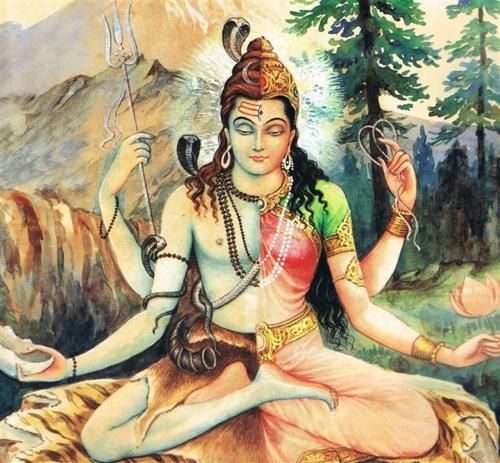
।। श्री।।
श्रीगणेशाय नमः
अस्य श्रीसदाशिवसहस्र नाममंत्रस्य, नारायण ऋषिः,श्रीसदाशिवो देवता,अनुष्टुपछंदः, सदाशिवो बीजम्, गौरी शक्तिः, श्रीसदाशिव प्रीत्यर्थं जपे विनियोगः।
“The seer of this glorious cluster of one thousand names of Shri Sadaashiva is NaaraayaNa. Shri Sadaashiva is the deity, AnushTup is the metre, Sadaashiva is the seed(that has expanded into the universe), Gauri is the shakti. These names are chanted to please the Lord, Shri Sadaashiva”.
The very fact that it is NaaraayaNa who visualised these Names shows that Shiva and VishNu are identical in essence.
शिव सहस्त्रनाम :
On the auspicious occasion of MahasShivaraatri, I have pleasure in commencing Shiva Sahasranaamaavali, the 1000 Names of our patron deity Shri Bhavanishankar.. I have already annotated the 108 Names of Shiva at great length with many cross references. I could indulge that luxury because the Names were only 108.
Now, since I have to attend to 1000 Names, I will be brief.
There are 1000 Names for almost every IshTadevataa, but, those of VishNu, Shiva and Lalitaa are more wellknown. Among
these three, Shiva’s 1000 Names are comparatively less popular.
Shiva Sahasranaama occurs in seven texts with variations in terms of both names and their sequence. The sources are:
1. 17th chapter of Anushaasana Parva of Mahaabhaarata.
2. Shivarahasya(an Itihaasa)
3. Padma PuraaNa
4. .Linga PuraaNa
5. Saura PuraaNa
6. Skanda PuraaNa
7. Shiva PuraaNa
The version now mostly in vogue is no.1 above, imparted by Shri KrishNa to Dharmaraaja (YudhishTira). Dharmaraaja was emotionally shattered after the Kurukshetra bloodbath. He was in utter depression. To enable him to get over it, Bhishma imparted to him the VishNu Sahasranaama(VSN). As suggested by Bhishma, Shri KrishNa imparted Shiva Sahasranaama (SSN) to Dharmaraaja. So, both these, VSN and SSN, were part of psycho-therapy, as it were,to
dispel the gloom that had encircled Dharmaraajaa’s mind.
KrishNa is an incarnation of VishNu. So, His telling these 1000 Names is like VishNu Himself glorifying Shiva. There are so many common names in VSN and SSN which I will highlight as we go forward. These two points suffice to validate the old saying that God is one, be He Keshava or Shiva (एको देव: केशवो वा
शिवो वा).
These anthologies(be they 108 or 1000)of Divine Names constitute a unique feature of Hinduism. As one keeps on chanting the Names, one after the other, our fickle mind turns turtle as it were. Nama(नम:) is the Mana(मन) upside down. As we chant each Name with नम:, our mind mellows down. It becomes more steady and serene. While deekshaa(initiation by a Guru) is prescribed for a mantra, such a stipulation does not apply to reciting these Names, be they 108 or 1000. These Names tell us about the attributes(guNa), deeds(karma) and exploits (leela) of the deity. Here and there, there are allusions to events found in mytholigy. It is said that repetition of ‘namaha’ makes us ‘namra'(humble) and lessens the clamour of desires (namyante asya kaamaah).
As VishNu PuraaNa puts it, “what could be obtained in Krita Yuga by meditation, in Treta Yuga by Yajna and formal worship in Dvaapara Yuga, becomes easily ours in Kali Yuga by simple recitation(keertana) of fhe glory of God.”. Each Name we chant is a simple glorification of the Lord. So, we need to understand what is it that we are glorifying. Hence this humble effort on my part.
As always Dear Satish Kulkarni of Goregaon has set apart a webpage for this series. Our heartfelt ‘thank you’ to him for this friendly gesture.
ATTACHED is the video of Aum Namah Shivaaya chanted by Smt. Anuradha Paudwal.
V.RAJAGOPAL BHAT
11-3-2021
२५३) ॐ सुशरणाय नमः।
Aum SusharaNaaya namaha.(no.86 SharaNam in VSN).
Salutations to Him, who is easily accessible through surrender. He is Aashutosha and is easily pleased.
२५४) ॐ हिरण्यकवचोभ्दवाय नमः।
Aum HiraNya-
kavachodbhavaaya namaha.
HiraNya-kavacha refers to Maayic covering.
HiraNya stands for Maayaa. Brahman is overlaid with this cover of Maayaa. When this cover is removed, the revelation(udbhava) of Brahman takes place.
In the Ishaavaasya Upanishad, the sage implores God to pray set aside the covering of the face of Truth by a golden lid sothat he can have the vision of Him, who is satya-dharmaa(हिरण्मयेन पात्रेण सत्यस्यापिहितं मुखम्। तत्त्वं पूषन्नपावृणु सत्यधर्माय दृष्टये।।
२५५) ॐ मेढ्रजाय नमः।
Aum Medhrajaaya namaha.
Salutations to Him, who is revealed(ja) in the
Linga(meDra).
२५६) ॐ बलचारिणे नमः।
Aum BalachaariNe. namaha.
Salutations to Him, who moves in a dense jungle(bala).
The primitive forest-dwellers are called shabaraas and they are hunters. It is said in Mahaabhaarata that Arjuna did penance to please Shiva and secure Paashupataastra. Shiva appeared before Arjuna in the guise of
a Kiraata(hunter) and gifted this weapon to
him.
२५७) ॐ महीचारिणे नमः।
Aum MaheechaariNe namaha.
Salutations to Him, who moves on the earth.
Whoever walks on earth, young and old,is Shiva-swaroopa. There is a beautiful invocation to Shiva in Shvetaashvatara Upanishad: “You are an woman, You are man.
You are the youth and You, the maiden. You are the doddering senile, tottering about with a stick. You are born and have assumed all these universal forms”.(त्वं स्त्री त्वं पुमानसि त्वं कुमार उत वा कुमारी। त्वं जीर्णो दण्डेन वंचसि त्वं जातो भवसि विश्वतोमुखः।।(IV-3)
२५८)ॐ स्रुताय नमः।
Aum Srutaaya namaha.
Salutations to Him, who is omnipresent( present everywhere).
२५९) ॐ सर्वतूर्यनिनादिने नमः।
Aum Sarva-toorya-
ninaadine namaha.
Salutations to Him, who is present in the sounds of all musical instruments. That is why, in our अष्टावधान we have सर्ववाद्यप्रिया सर्व
वाद्यसेवाम् अवधारय (O lover of all musical instruments! please listen to this offering
of all instrumental sounds!) as the concluding सेवा.
२६०) ॐ सर्वातोद्यपरिग्रहाय नमः।
Aum sarva-aatodya parigrahaaya namaha.
Salutations to Him, who accepts(parigraha)
all(sarva) who have suffered some sort of
violence(aatodya). Shiva is compassion and
love incarnate.
२६१) ॐ व्यालरूपाय नमः।
Aum Vyaalaroopaaya
namaha.(no.92 in VSN).
Salutations to Him, who is in reptiles.
२६२) ॐ गुहावासिने नमः।
Aum Guhaavaasine namaha.
Salutations to Him, who is in the cave. The cave also refers to the cave of the heart.
२६३) ॐ गुहाय नमः।
Aum Guhaaya namaha.
(No.383 in VSN).
Salutations to Him, who conceals Himself in everything and in everyone. Fire is latent in a matchstick. Likewise, He is latent in all. The
Lord says in Geetaa: “I am not obvious to all because I am covered by my Yoga-maayaa”
(naaham prakaashah sarvasya yogamaayaa
samaavritaha)(VII-25)..
Saint Jnaaneshwar says in Jnaaneshvari:
या उपाधिमाजी गुप्त/चैतन्य असे सर्वगत/ते तत्वज्ञ संत/
स्वीकारिति।।(II-१२६).The man of wisdom brushes aside the lid of माया (नाम रूप) and keeps his gaze rooted to the Divine underneath.
In his हरिपाठ, Jnaaneshvar says: “You have to obtain Ananta(Hari) the way you get butter by churning”(manthooni navaneetaa taise ghe Anantaa). We have to manifest what is unmanifest, reveal what is concealed and make patent what is latent. That is the crux of साधना.
२६४) ॐ मालिने नमः।
Aum Maaline namaha.
Salutations to Him, who wears the garland.
The garland is Vanamaalaa worn by Shri
KrishNa. Here Shiva is identified with Shri
KrishNa.
The whole creation is also like a garland and all names and forms are like beads, says the
Lord in Geetaa:
“मयि सर्वमिदं प्रोतं सूत्रे मणिगणा इव”(VII-7)
२६५) ॐ तरंगविदे नमः।
Aum Tarangavide namaha.
Salutations to Him, who knows(vide) the waves(taranga).
When the wind churns the water and the water assumes the form of a wave, has any ‘birth’ taken place? asks Santa Jnaaneshvar.
It is water only with a name and form called wave(तरंग). Let us listen to him:
“जैसे पवन। तोय हालविले/आणी तरङ्गाकार जाहले/तरी
कवण के जन्मले/म्हणो ये तेथ।।(2-106)(ज्ञानेश्वरी).
This name no.२६५ refers to an enlightened soul . .He knows the truth about the wave. What is the Truth? That it is identical with the ocean. We are all wavelets on the ocean called God. The wave may be small, but, its essence is same as the ocean. AS says in His ShaTpadi: “Although there is no difference, O Lord, I am YOURS. I will not say You are MINE. We say the wave belongs to the ocean. We do not say the ocean belongs to the wave”.(सत्यपि भेदापगमे नाथ तवाहं न मामकीनस्त्वम्।सामुद्रो हि तरङ्गः क्वचन समुद्रो न तारङ्गः।।
If we have to give a simile to the opposites in life, it is ‘taranga’ All these come and go like waves in our life, the ‘ananta samsaara samudra’ of our prayer. As the Lord says in Geetaa, they are not permanent (आगमापायिनो अनित्या )( II-14). One who knows this truth about the waves is wise. He is like Shiva. All the luminaries in our Guruparamparaa have only one mission: to make us तरंगविदः, to initiate us into Advaita.
२६६) ॐ त्रिदशाय नमः।
Aum Tridashaaya namaha.(no.535 in VSN).
Salutations to Him,who oversees our three
stages.
Birth, death and the interval in between are the three stages. So too are wakefulness, dream and sleep. Shiva oversees all these phases(dashaa).
२६७) ॐ त्रिकालधृगे नमः।
Aum Trikaaladrige namaha.
Salutations to Him, who upholds the three tenses of time.
२६८) ॐ कर्मसर्वबंध विमोचनाय नमः।
Aum Karma Sarvabandha Vimochanaaya namaha.
Salutations to Him, who releases us from
all types of bondage like Karma.
All bondage is due to Avidyaa(ignorance), Kaama(desire) and Karma(action to satisfy the desire). This is a vicious circle. Avidyaa
is the rootcause. Shiva removes(harati) our
ignorance. Then, He is called Hara. With Avidyaa gone, the rest lose their foothold too
२६९) ॐ असुरेंद्राणांबंधनाय नमः।
Aum AsurendraaNaam bandhanaaya namaha.
Salutations to Him, who ties up even the foremost among the demons.
No.268 held forth the promise of freedom
from bondage. This amnesty applies to devotees and not to those swollen with pride
and arrogance like the demons. Their animosity to Shiva and consequent alienation from Dharma pushes them deeper
and deeper into bondage.
२७०) ॐ युधि शत्रुविनाशिने नमः।
Aum Yudhishatru-
vinaashine namaha.
Salutations to Him, who kills His enemies in a battle(yudhi).
२७१) ॐ सांख्यप्रसादाय नमः।
Aum Saankhya-
prasaadaaya namaha.
Salutations to Him, who confers the Grace
(prasaada) of Knowledge(saankhya) upon
His devotees.
The ability to discriminate between the Self(Aatman) and Non-Self(Anaatman) is the first lesson in Vedaanta. This discriminative wisdom is called as Saankkhya. This is the best ‘prasaada’ to
receive from God and the Guru. The second chapter of Geetaa is called Saankhya Yoga. KrishNa rescued Arjuna from his fatal despondency(vishaada) by bestowing on him this ‘prasaada’ of discriminative wisdom..
Prasaada also means serenity, an unruffled state of mind. The ‘prasaada’ of Saankhya leads to this consummation. Mark the confession of Arjuna after imbibing the nectarine wisdom of Geeta. (XVIII-73).He is blessed with a serenity, too deep for words.
२७२) ॐ दुर्वाससे नमः।
Aum Durvaasase namaha
Salutations to Durvaasa. One of the three
children of Atri and Anasooya is Durvaasa
and he is born of Rudraamsha just as Dattaatreya inherited VishNu’s amsha(अंश)..
Like Rudra, Durvaasa is also famous for his ‘manyu'(anger).
२७३)ॐ सर्वसाधुनिषेविताय नमः।
Aum Sarvasaadhu
nishevitaaya namaha.
Salutations to Him, who is served by all good
and godly people.
२७४)ॐ प्रस्कंदनाय नमः।
Aum Praskandanaaya namaha.
Salutations to Him, who makes even gods and goddesses fall (praskandana) from their pedestal of pomp and power..
Shiva is a hard task master and does not
hesitate to punish even gods like Indra for their indiscretions.
२७५)ॐ विभागज्ञाय नमः।
Aum Vibhaagajnaaya namaha.
Salutations to Him, who knows(ज्ञ) how to apportion(विभाग).
God oversees the operation of the law of Karma. As Bhagavaan RamaNa Maharshi said in his ‘Upadesha Saaram’: “The fruit of Karma is dispensed according to the decree of God. What can mere Karma do? Karma is inert after all”(कर्तुराज्ञया प्राप्यते फलं, कर्म किंकरं
कर्म तज्जडम्).
Shiva oversees this apportioning (vibhaaga) of ‘phala’ commensurate with Karma of every soul.
२७६)ॐ अतुल्याय नमः।मः।
Aum Atulyaaya namaha.
Salutations to the Incomparable Shiva.
As said in Geetaa, ” there is none even equal
to You, let alone someone superior to You”.
(XI-43).(न त्वत्समोऽस्त्यभ्यधिकः कुतोऽन्यः).
२७७) ॐ यज्ञभागविदे नमः।
Aum Yajnabhaagavide namaha.
Salutations to Him, who knows(vide) the proper apportioniñg of oblations (yajnabhaaga).
We offer oblations into the sacrificial fire by invoking different deities , uttering ‘svaahaa’.
The offering reaches the invoked devataa only. There is no mix-up. Shiva oversees this process.
२७८) ॐ सर्वचारिणे नमः।
Aum SarvachaariNe namaha.
Salutations to Him, who moves about everywhere.
२७९) ॐ सर्ववासाय नमः।
Aum Sarvavaasaaya namaha.
Salutations to Him, whose presence is in all everywhere.
As Ishaavaasya Upanishad says: “Whatever is there in this ever-chagig universe is pervaded by the Lord”(Eeshaavaasyamidam sarvam yat kinchit jagatyaam jagat).
२८०) ॐ दुर्वाससे नमः।
Aum Durvaasase namaha.
Salutations to Him, finding a garment (vaasa) for whom, is difficult.(dur).
No.272 was also this name, but, meaning was different. Now, same name, but,
with a different meaning.
Shiva in His ‘nirguNa’ form is all-pervasive. .How can He be clothed? In his short hymn called Paraa-poojaa, AS confesses our total inability to offer the customary courtesies(upachaar) to Brahman. Says he: “how can we offer bath to Him, who is ever pure and how can we clothe Him, who has the entire universe in Him?”.
(निर्मलम्स्य कुत: स्नानं वस्त्रं विश्वोदरस्य च।). Hence, He is Durvaasa.
२८१)ॐ वासवाय नमः।
Aum Vaasavaaya namaha
Salutations to Him, whose manifestation was Indra. He is everyone, He is in everyone.He is in Indra too.
२८२) ॐ अमराय नमः।
Aum Amaraaya namaha.
Salutations to Him who is in every immortal god and goddess, who is, in fact, every deva and devataa.
२८३) ॐ हैमाय नमः।
Aum Haimaaya namaha.
Salutations to Him, of whom Himaalaya was a manifestation.
In the invocatory verse at the beginning of
his epic ‘Kumaara Sambhava’, Kaalidaasa calls Himaalaya as Devataatmaaअस्तयुत्तरस्यां
दिशि देवतात्मा हिमालयो नाम नगाधिराज:)
२८४) ॐ हेमकराय नमः।
Aum Hemakaraaya namaha।
Salutations to Him, who is the maker(kara)
of gold(hema).
All minerals and metals like everything in the universe owe their origin to Shiva.,
२८५) ॐ अयज्ञाय नमः।
Ayajnaaya nama
Salutations to Him, who does not need to do any sacrifice.
We perform sacrifice or Poojaa or any other ritual to please God, but, He is in no need of such कर्मकांड. He need not do any such things. There is none above Him to be worshipped by Him.
२८६) ॐ धरोत्तमाय नमः।
Aum Dharottamaaya
namaha.(no.756 in VSN is धराधर).
Salutations to Him, who is the best (uttama) among those who uphold and sustain(dhara) the universe,.
According to PuraaNaas the earth is upheld by Aadi-shesha, a Tortoise(कूर्म) and the Eight Elephants(अष्टदिग्गज). Who gives them so much strength? The answer is Shiva.
२८७) ॐ लोहिताक्षाय नमः।
Aum Lohitaakshaaya namaha.
Salutations to Him with bloodshot (lohita) eyes(aksha).
Angry Shiva while battling the demons had bloodshot eyes. Durgaa, too, had bloodshot eyes while battling the demons, says Durgaa
Saptashati.
२८८) ॐ महाक्षाय नमः।
Aum Mahaakshaaya
namaha.
Salutations to Him, with very large (mahaa) senses(aksha).
Aksha means eyes and also senses. If Shiva
has His eyes, ears, hands, feet etc everywhere, they must necessarily be ‘mahaa'(महा).
२८९) ॐ विजयाक्षाय नमः।
Aum Vijayaakshaaya
namaha.
Salutations to Him, whose eyes(aksha) reflect victory(vijaya).
Eyes always speak more eloquently than words. Confidence, diffidence, love, compassion – in fact, the whole gamut of emotions – are reflected by our eyes. No
wonder, Shiva’s eyes always reflect the confidence of snatching a victory.
२९०) ॐ विशारदाय नमः।
Aum Vishaaradaaya namaha.
Salutations to Him, who is very proficient
(विशारद). God is Omniscient(sarvajna) and so He is very proficient in all arts and sciences.
In our Bhasma-dhaaraNa mantraas we have
“ईशान: सर्व विद्यानाम्( He is the custodian of all
branches of learning).
२९१) ॐ सर्वकामदाय नमः।
Aum Sarvakaamadaaya namaha(no.851 in VSN).
Salutations to Him, who bestows all that we wish.
As we have seen earlier, He gives what we need. He does not pamper our greed.
२९२) ॐ सर्वकालप्रसादाय नमः।
Aum Sarvakaala –
prasaadaaya namaha.
Salutations to Him, who showers His Grace
(prasaada) all the time(sarvakaala). His grace is not conditioned by astrological configurations. All that is necessary is for us to cherish Him in our heart:
सर्वदा सर्वकालेषु नास्ति तेषाममङ्गलम् ।
येषां हृदिस्थो भगवान् मङ्गलायतानो हरिः ।।
२९३) ॐ सुबलाय नमः।
Aum Subalaaya namaha.
Salutations to Him, who is good(su) and
strong(balaaya). It is not enough if one has enormous strength. It should be used for good(su) purpose. A demon misuses his strength.
२९४) ॐ बलरूपधृषे नमः।
Aum balaroopadhrishe
namaha.
Salutations to Him, who is both strong(bala) and beautiful(roopadhrishe).
२९५) ॐ संग्रहाय नमः।
Aum Sangrahaaya namaha(no.158 in VSN).
Salutations to Him, who ‘gathers’ .
This word ‘sangraha'(संग्रह) refers to His fifth ‘portfolio’ – Anugraha..With His blessings and benediction, the number of His devotees keeps swelling. This is the ‘sangraha’ He cherishes. It is the love and devotion of His devotees that He loves to harvest. No other ‘sangraha’ is applicable to Him.
२९६) ॐ निग्रहाय नमः।
Aum Kartre namaha(no.380 in VSN).
Salutations to the Doer(कर्ता). He is a great Doer with a bunch of five portfolios to take care of. If He stops doing what he does even for a moment, the cosmos will turn into chaos, says the Lord in the Geetaa(III-24 ).
२९७) ॐ कर्त्रे नमः।
Aum balaroopadhrishe
namaha.
Salutations to Him, who is both strong(bala) and beautiful(roopadhrishe).
२९८) ॐ सर्पचीरनिवासनाय नमः।
Aum Sarpacheera-nivaasanaaya namaha.
Salutations to Him, who uses the serpent as a belt(nivaasana) for the piece(cheera) of
hide He is wearing.
Vide 280 we saw that it is impossible to clothe Shiva(दुर्वासा). That was His NirguNa aspect. But, in His SaguNa aspect we offer
Him a two-piece garment (वस्त्र युग्मं ददाम्यहम्)
during Shiva-poojan. We offer a piece of elephant-hide(गजाजिन) to wrap around the waist and a piece of tiger-skin(व्याघ्र चर्म) as
upper cloth(उत्तरीय). Shiva fastens the serpent around His waist lest His गजाजिन
slips down.
२९९) ॐ मुख्याय नमः।
Aum Mukhyaaya namaha.
Salutations to Him who is most important
(VVIP). He towers above all gods.
३००) ॐ अमुख्याय नम:।
Aum Amukhyaaya namaha.
Salutations to Him, who has none (अ)superior (मुख्य) to Him. He is महादेव, above
all gods.
३०१) ॐ देहाय नमः।
Aum Dehaaya namaha.
Salutations fo Shiva, whose gift is this body.
What a charming name for Shiva!
Salutations to the body! This body is a miracle of God. Pursuit of the four goals of life(धर्म,अर्थ,काम,मोक्ष) is possible only with body as a means. That is why it is said:
(शरीरमाद्यं खलु धर्म साधनम्,)(The body is the primary means of Dharma). It redounds to the eternal credit of Samartha Raamadaasa
that he devoted a section in praise of human
body(नरदेह स्तवन) in his magnum opus: Daasabodha ( दासबोध).
३०२) ॐ काहलये नमः।
Aum Kaahalaye namaha
Salutations to Him, who plays a big drum called Kaahali.
३००) ॐ अमुख्याय नम:।
Aum Amukhyaaya namaha.
Salutations to Him, who has none (अ)superior (मुख्य) to Him. He is महादेव, above
all gods.
३०१) ॐ देहाय नमः।
Aum Dehaaya namaha.
Salutations fo Shiva, whose gift is this body.
What a charming name for Shiva!
Salutations to the body! This body is a miracle of God. Pursuit of the four goals of life(धर्म,अर्थ,काम,मोक्ष) is possible only with body as a means. That is why it is said:
(शरीरमाद्यं खलु धर्म साधनम्,)(The body is the primary means of Dharma). It redounds to the eternal credit of Samartha Raamadaasa
that he devoted a section in praise of human
body(नरदेह स्तवन) in his magnum opus: Daasabodha ( दासबोध).
३०२) ॐ काहलये नमः।
Aum Kaahalaye namaha
Salutations to Him, who plays a big drum called Kaahali.
३०३) ॐ सर्वकामवराय नम:।
Aum Sarvakaamavaraaya namaha.
Salutations to Him, who is the best( वर) among all(सर्व) desires (काम). Attaining Him is the supreme gain of life. The Upanishads
declare “,there is no higher gain than आत्म
लाभ”. In the Geetaa we read: “, यल्लब्धवा चापरं
लाभं मन्यते नाधिकं तत:”(VI-22)(Having attained whom, one does not consider there is anything more desirable).
३०४) ॐ सर्वदाय नमः।
Aum Sarvadaaya namaha.
Salutations to Him, the bestower(द) of
All (सर्व) that we wish for.
३०५) ॐ सर्वतोमुखाय नमः।
Aum Sarvatomukhaaya namaha(no.816 in VSN).
Salutations to Him, whose mouths are everywhere(sarvato).
“Everywhere are His hands, feet, eyes, heads and mouths”(सर्वतः पाणिपादं तत्सर्वतोक्षि शिरोमुखम्)(गीता XIII-13,)
३०६)ॐ आकाशनिर्विरूपाय नम:।
Aum Aakaasha-
nirviroopaaya namaha.
Salutations to Him, who brought about the emergence(निर्गमन) of various(वि) forms(रूप) from Aakaasha.
The Taittiriya Upanishad (2-1)lists the sequence of emergence as under:
From Paramaatman emerged(संभूतः) the sky.
From the sky, the wind(वायु).
From the wind, the fire(अग्नि).
From the fire, the water(आप:)
From water, the earth(पृथ्वी)
The permutations and combinations of these five cosmic elements gave rise to the bewitching panaroma we call this universe.
३०७)ॐ निपातिने नमः।
Aum Sarvadaaya namaha.
Salutations to Him, the bestower(द) of
All (सर्व) that we wish for.
३०५) ॐ सर्वतोमुखाय नमः।
Aum Sarvatomukhaaya namaha(no.816 in VSN).
Salutations to Him, whose mouths are everywhere(sarvato).
“Everywhere are His hands, feet, eyes, heads and mouths”(सर्वतः पाणिपादं तत्सर्वतोक्षि शिरोमुखम्)(गीता XIII-13,)
३०६)ॐ आकाशनिर्विरूपाय नम:।
Aum Aakaasha-
nirviroopaaya namaha.
Salutations to Him, who brought about the emergence(निर्गमन) of various(वि) forms(रूप) from Aakaasha.
The Taittiriya Upanishad (2-1)lists the sequence of emergence as under:
From Paramaatman emerged(संभूतः) the sky.
From the sky, the wind(वायु).
From the wind, the fire(अग्नि).
From the fire, the water(आप:)
From water, the earth(पृथ्वी)
The permutations and combinations of these five cosmic elements gave rise to the bewitching panaroma we call this universe.
३०७)ॐ निपातिने नमः।
Aum Nipaatine namaha
Salutations to Him, who hurls(निपातयति) into hell the ungodly and the unrighteous.
The Lord says in Geetaa(XVI-19) that He would hurl into most vile forms of birth(आसुरीषु योनिषु) the cruel, wicked and the vicious souls with demonaic traits.
The Namakam of Rudraadhyaaya says: namo yaamyaaya cha kshemyaaya cha(नमो याम्याय च क्षेम्याय च)(6th anuvaaka).(याम्य means relating to Yama and all that happens under
his jurisdiction)
३०८)ॐ अवशाय नमः।
Aum Avashaaya namaha
Salutations to Him, who is not subordinate to anyone.
All are under His control. एको वशी सर्व भूतान्तरात्मा (He is the One Supreme Controller
and is the inner monitor in all) says the KaTha Upanishad(2-5-12).
३०९) ॐ खगाय नमः।
Aum Khagaaya namaha.
Salutations to Him ,who moves in the sky..
The plain simple meaning of this name is the bird which moves(गच्छति) in the sky(खे). Like everything else, a bird, too, is His handiwork.
This word also refers to all luminaries who move in the sky. Khaga is one of the 12 names of the sun to be recited during
Soorya-namaskaar.
Kha refers to the ‘sky in the heart'(दहराकाश)
and God resident there is also Khaga.
In our Deepanamaskaara Stotra, verse no.15
invoking our Parama Guru says: खब्रह्माविष्ट हृदयान्. This means His heart was possessed of Brahman enshrined in the sky within.
३१०)ॐ रौद्ररूपाय नमः।
Aum Roudraroopaaya namaha.
Salutations to Him, who can assume ferocious forms(if need be).
३११) ॐ अंशवे नमः।
Aum Amshave namaha.
Salutations to Him, who is in the rays, the sunbeams.
३१२)ॐ आदित्याय नमः।
Aum Aadityaaya namaha’ (no.39 and 563 in VSN).
Salutations to Shiva as the visible sun.
In the Namakam, 1st Anuvaaka, the rising sun, crimson(विलोहित:)in colour, is identified with Rudra. The sun is sticking his neck(ग्री्वा) out into the blue(नील) sky(असौ यो
अवसर्पति नीलग्रीवो विलोहित:).The rising sun is called as सद्योजात(Sadyojaata)(“just born”)..
३१३) ॐ बहुरश्मये नमः।
Aum Bahurashmaye
namaha.
Salutations to luminaries having profuse(bahu) rays(rashmi). This is a general
description and applies to not merely the sun, but the moon and stars as well.
३१४) ॐ सुवर्चसिने नमः।
Aum Suvarchasine namaha.
Salutations to the exceedingly(su) lustrous
(varchasine) Shiva.
We pray to Agni: May Your brilliance make me brilliant too. May Your lustre make me lustrous too.May Your purity make me pure too(यत् ते अग्ने तेजः तेनाहं तेजस्वी भूयासम् । यत् ते
अग्ने वर्चः तेनाहं वर्चस्वी भूयासम् । यत् ते अग्ने हरः तेनाहं
हरस्वी भूयासम्). This prayer used to be on the lips of every student performing अग्निकार्यम् (Agni Kaarya) in the ancient Gurukula. Nowadays,, in the Upanayanam pandal, before dispersing, the officiating Bhatmaam makes the Vatu(munjaa in Konkani) do Agnikaarya and makes him repeat these beautiful supplications to Agni.
Now, who endowed Agni with lustre? It is Shiva. The Lord says in Geetaa: “Whatever lustre you find in the sun, moon and the fire, O Arjuna,, know that to be MINE”(XV-12).
३१५) ॐ वसुवेगाय नमः.।
Aum Vasuvegaaya namaha.
Salutations to Him, who has the velocity(vega) of the wind(vasu).
३१३) ॐ बहुरश्मये नमः।
Aum Bahurashmaye
namaha.
Salutations to luminaries having profuse(bahu) rays(rashmi). This is a general
description and applies to not merely the sun, but the moon and stars as well.
३१४) ॐ सुवर्चसिने नमः।
Aum Suvarchasine namaha.
Salutations to the exceedingly(su) lustrous
(varchasine) Shiva.
We pray to Agni: May Your brilliance make me brilliant too. May Your lustre make me lustrous too.May Your purity make me pure too(यत् ते अग्ने तेजः तेनाहं तेजस्वी भूयासम् । यत् ते
अग्ने वर्चः तेनाहं वर्चस्वी भूयासम् । यत् ते अग्ने हरः तेनाहं
हरस्वी भूयासम्). This prayer used to be on the lips of every student performing अग्निकार्यम् (Agni Kaarya) in the ancient Gurukula. Nowadays,, in the Upanayanam pandal, before dispersing, the officiating Bhatmaam makes the Vatu(munjaa in Konkani) do Agnikaarya and makes him repeat these beautiful supplications to Agni.
Now, who endowed Agni with lustre? It is Shiva. The Lord says in Geetaa: “Whatever lustre you find in the sun, moon and the fire, O Arjuna,, know that to be MINE”(XV-12).
३१५) ॐ वसुवेगाय नमः.।
Aum Vasuvegaaya namaha.
Salutations to Him, who has the velocity(vega) of the wind(vasu).
३१६) ॐ महावेगाय नमः।
Aum Mahaavegaaya namaha.
Salutations to Him, who has great(mahaa) speed.
३१७)ॐ मनोवेगाय नमः।
Aum Manovegaaya namaha.
Salutations to Him, who has the velocity of the mind.
Shiva in His NirguNa mode neither goes nor comes. Can the sky move? All movement takes place in the sky. Same is true of निर्गुण
Shiva. But, in His सगुण mode, there is coming and going and depending on the urgency of the situation, Shiva modulates His speed. Hence the three different Names centering around speed(वेग).
३१८) ॐ निशाचराय नमः।
Aum Nishaacharaaya
namaha.
No.149 and 163 spoke of darkness(नक्तं, निशा),. Here again, above name has cropped up with a different significance. Here ‘nisha’ refers to darkness of अविद्या (ignorance) . Please refer to a most profound verse in Geeta about a Yogi who keeps himself awake while the world around him is asleep in darkness(या निशा सर्व भूतानां
तस्यां जागर्ति संयमी)(2-69). That Yogi is Shiva-swaroopa.
३१९) ॐ सर्ववासिने नमः।
Aum Sarva-vaasine namaha.
Salutations to Him, who resides(वासि) in all.
३२०)ॐ श्रियावासिने नमः।
Aum Shriyaavaasine namaha.
Salutations to Him, who resides with Shree
(goddess of prosperity). Just as there is अभेद
between Shiva and VishNu, there is अभेद
between their spouses too. So, Paarvati is
also like Lakshmi. Don’t we hail Her as
‘accomplisher of all that we wish for'(सर्वार्थ साधिके)?
३२१) ॐ उपदेशकराय नमः।
Aum Upadeshakaraaya namaha.
Salutations to Him, who gives Upadesh(Guru).
As DakshiNaamoorti, Shiva became an
आदिगुरु (first Teacher) and preached in silence to Sanaka, Sanandana, Sanatkumaara and Sanatsujaata who sat around Him.
३१९) ॐ सर्ववासिने नमः।
Aum Sarva-vaasine namaha.
Salutations to Him, who resides(वासि) in all.
३२०)ॐ श्रियावासिने नमः।
Aum Shriyaavaasine namaha.
Salutations to Him, who resides with Shree
(goddess of prosperity). Just as there is अभेद
between Shiva and VishNu, there is अभेद
between their spouses too. So, Paarvati is
also like Lakshmi. Don’t we hail Her as
‘accomplisher of all that we wish for'(सर्वार्थ साधिके)?
३२१) ॐ उपदेशकराय नमः।
Aum Upadeshakaraaya namaha.
Salutations to Him, who gives Upadesh(Guru).
As DakshiNaamoorti, Shiva became an
आदिगुरु (first Teacher) and preached in silence to Sanaka, Sanandana, Sanatkumaara and Sanatsujaata who sat around Him.
३२२) ॐ अकराय नमः।
Aum Akaraaya namaha.
Salutations to the Non-doer(अकर).
Prakriti(Devi) is the Doer and Purusha(Shiva) is just a witness. माया spins the wheel of
creation with Shiva as the passive onlooker.
This is in His nirguNa(निर्गुण) mode. In His saguNa(सगुण) mode, however, He illustrates
the profound Geetaa teaching (IV-18)about Inaction in Action(कर्मणि अकर्म) and Action in Inaction (अकर्मणि कर्म). There is नैष्कर्म्यं सिद्धि
(XVIII-49). There is no ego in Him. This is true of great saints, Aachaaryaas too(like the Sadgurus in our Guruparamparaa).
३२३) ॐ मुनये नमः।
Aum Munaye namaha
Salutations to the Silent Shiva. This silence is three-fold: bodily (कायिक), verbal(वाचिक) and mental(मानसिक). The last silence, where the fret and fever of the mind is hushed, is the true hallmark of a sage.
३२४) ॐ आत्मनिरालोकाय नमः।
Aum Aatma-niraalokaaya namaha.
Salutations to Him, who introspects. निरालोक
means निरीक्षण. This is, indeed, what the Muni does. He is the Observer and the body-mind complex is the Observed. This is दृक्-दृश्य विवेक (Discrimination between the Seer and the Seen) of AS(आचार्य शङ्कर).
३२५) ॐ संभग्नाय नमः।
Aum Sambhagnaaya
namaha.
Salutations to Him, who is well adored by all.
Sambhagna means (सम्यक् सेवित)(भज सेवायाम्).
३२६) ॐ सहस्रदाय नमः।
Aum Sahasradaaya namaha.
Salutations to Him, who bestows(दाय) in thousands. सहस्र stands for countless.
There is a saying: अनन्ताहस्ते कमलाकराने देता
किती घेशिल दो कराने? “When Kamalaakar (Hari)
is giving away with countless hands, how much can you take with your only two hands?”.
३२७) ॐ पक्षिणे नमः।
Aum PakshiNe namaha.
Salutations to the Bird. The bird is Garuda, the vehicle of VishNu.
The MuNDakopanishad speaks of two birds
of fair plumage, companions, perched on the same tree(body). One bird (jeeva) is enjoying a fruit(karma-phala) while the other(Shiva), not eating, is just an onlooker,(द्वा सुपर्णा सयुजा साखाया…….3-1-1).
३२८) ॐ पक्षरूपाय नमः।
Aum Paksharoopaaya
namaha.
Salutations to Him, who(as Time, काल) pervades the two fortnights(पक्ष) – Shukla and KrishNa.
३२९) ॐ अतिदीप्ताय नमः।
Aum Atideeptaaya namaha.
Salutations to Him, with too much( अति)
blaze(दीप्ति).
Even the blaze of the mid-day sun is unbearable. We can’t sit too close to a blazing bonfire too. How much must be His splendour! He is like a crore of suns in
lustre(सूर्य कॊटि समप्रभ).
३३०)ॐ विशांपतये नमः।
Aum Vishaam pataye namaha.
Salutations to the lord(पति) of subjects(विशां).
He is the King and all beings are His subjects. He is राजाधिराजा. (ॐ राजाधिराजाय प्रसह्य साहिने नमो वयं वैश्रवणाय कुर्महे…..)
३३१) ॐ उन्मादाय नमः।
Aum Unmaadaaya namaha.
Salutations to (the bestower of) divine
intoxication.
Naarada, Tumburu in the days of yore and
Chaitanya , Meerabai and Sri RamakrishNa in later times, to name just a few,
had spells of this divine intoxication. They could dance unabashedly in that state of divine frenzy.
Bhakti Sootraas of Naarada and ShaaNDilya
speak of this state. Bhagavatam says that this God-intoxicated devotee is careless about his garment(whether it is intact or not)as is a drunkard: ( यथा परिकृतं मदिरा मदान्धः)
(11-13-36).
Even a cup of poison could not dampen the उन्माद of Meeraabaai.(विषका प्याला राणाजिने भेजा, पीवत मीरा नाचीरे/पग घुङ्घरु बांध मीरा नाचीरे).
३३२) ॐ मदनाय नमः।
Aum Madanaaya namaha.
Salutations to Him, as beautiful as Cupid(also called मन्मथ). वामदेव also means
beautiful God. On the wedding day Shiva’s beauty was matchless and earned Him the name KalyaaNa-Sundara(कल्याण सुन्दर), a favourite name in Tamilnaadu.
Madana is also known as Kandarpa and is a vibhooti of the Lord in Geetaa(प्रजनस्चास्मि
कंदर्प:)(10-28).
३३३) ॐ कामाय नमः।
Aum Kaamaaya namaha.
(no.297 in VSN)
Salutations to Desire. He is THE desire, which puts an end to all other desires. In the Geetaa, the Lord says I am काम which is not
contrary to Dharma(धर्माविरुद्धो कामोऽस्मि भूतेषु
भरतर्षभ)(7-11).
३३४)ॐ अश्वत्थाय नमः।
Aum Ashwattaaya namaha(no.824 in VSN).
Salutations to the Peepal tree. Ashwatta tree is very sacred to us and is praised as the abode of the Trinity: “मूलतो ब्रह्मरूपाय मध्यतो विष्णुरूपिणे /अग्रतो शिव रूपाय वृक्ष राजाय ते नमः”
“Salutations to You, O King of the trees, Your lower part is Brahma-roopa, central part is
VishNuroopa and upper part is Shivaroopa.”
The Geetaa compares creation to an Ashwatta tree, with roots above and branches below in the first verse of Chapter XV.
AS says अश्वत्त means etymologically that which cannot be guaranteed to remain even tomorrow(श्वः अपि न स्थाता इति अश्वत्तः). This impermanence applies to everything in creation(सर्वं क्षणिकम्).
No.203 compared Shiva to a banyan tree
(न्यग्रोध) and here He is compared to the Peepal tree.
Ashvatta is looked upon as a vibhootii(special manifestation) of the Lord in Geetaa(अश्वत्थ: सर्व वृक्षाणाम्).(10-26).
३३५) ॐ अर्थकराय नमः।
Aum Arthakaraaya namaha(no.430 in VSN is Artha).
Salutations to Him, who enables us to achieve our goals.
Dharma, Artha, Kaama and Moksha are the
goals of every human being and are, therefore, called as Purushaartha. With His grace, we achieve these Artha(अर्थ). All are not enamoured of Moksha. Some are merely Utilitarian (अर्थार्थी) in the language of Geetaa and they, too, beseech Shiva to be their अर्थकर.
३३६)ॐ यशसे नमः।
Aum yashase namaha.
Salutations to Him, who confers success
(यश:) in our endeavours. We pray to Devi too:
“रूपं देहि जयं देहि यशो देहि द्विषो जहि”(अर्गला स्तोत्र).
As we have seen vide no,229, among five factors paving the way to success in any endeavour, the fifth one is His grace.
यश: also means a fair name and fame which, too, need His grace. “Birth in a noble family and an unblemished name and fame are the fruits yielded by the tree of puNya of that soul”
(सुकुलजन्म विमलं च यशो/भवति पुण्य तरोः फलमीदृशम्)
३३७) ॐ वामदेवाय नमः।
Aum Vaamadevaaya namaha.
Salutations to the Beautiful(वाम) God(देव).
३३८) ॐ वामाय नमः।
Aum Vaamaaya namaha.
(no.152 in VSN).
Salutations to Him, who quells (वामयति) the arrogance (मदं)of the wicked and the vicious
(दुष्टानाम्).
३३९) ॐ प्राचे नमः।
Aum Praache namaha.
Salutations to Him, who was in the beginning
(प्राचे) (derived from प्राक्).
Before(प्राक्) creation only He was there..
The Upanishads say: सदेव सोम्य इदमग्र आसीत्.
३४०) ॐ दक्षिणाय नमः।
Aum DakshiNaaya namaha(no.918 in VSN).
Salutations to Him, who faces the south
(दक्षिणास्य) as DakshiNaamoorti.
DakshiNa also means very courteous. When Shakuntala is getting ready to go to Dushyanta, she receives very memorable advice from her foster-father sage KaNva.Some of the words are:”be very courteous to your attendants”( भूयिष्ठं भव दक्षिणा परिजने)(IV-18,)(Kaalidaasa’s शाकुन्तलम्).
दक्षिण also means very skillfull(दक्ष)
and God, like Lalitaa, is proficient in His five functions(पञ्च कृत्य परायण).
३४१) ॐ वामनाय नमः।
Aum Vaamanaaya namaha(no.,152 in VSN).
Salutations to the Short-statured Shiva.
Vaamana means a dwarf and refers to God,
resident within our heart. The Upanishads say He is of ‘thumb-size'(अङ्गुष्ठ मात्र पुरुष:).
There is a declaration in the Aagama that by getting a vision of the वामन seated in the chariot, one will not be reborn(रथस्थं वामनं
दृष्ट्वा पुनर्जन्म न विद्यते). The bare literal meaning
is that we should have a good vision of the deity in the Ratha during a रथोत्सव. The profound inner meaning, however, is that we
should realise the God within us(body is Ratha) and avert rebirth(शरीरं रथ उच्यते).
३४२)ॐ सिध्दयोगिने नमः।
Aum Siddhayogine namaha.
Salutations to the accomplished Yogi..
Sanaka, Sanandana, Sanatkumaara and Sanatsujaata are called सिद्धयोगी..Even they sat around DakshiNaamoorti (Shiva) and
had silent communion(शब्देवीण संवादु of
Jnaaneshwar) with Him. So how great a सिद्धयोगी Shiva must be,!
३४३) ॐ महर्षये नमः।
Aum Maharshaye namaha.
,(no.531 in VSN).
Salutations to the Great Sage.
Shvetaashvatara Upanishad refers to Rudra as Maharshi(3-4).A ऋषि is one who has visualised a mantra(ऋषयः मन्त्र दृष्टार:). गायत्री was visualised by विश्वामित्र. He did not INVENT it, he DISCOVERED it. There are millions of mantraas floating around and a partcular sage gets the good fortune to
‘see'(दर्शन) a mantra.. A Maharshi is one who has been blessed with the vision of scores of mantraas. Now, Veda is refered to as the breath of God. He exhaled the Vedaas(यस्य
निःश्वसितं वेदः). A Rshi is also defined as farsighted(क्रान्त दर्शि).. Can there be anyone more farsighted than God? So, He is a Maharshi.
The Lord says in Geetaa: “I am Bhrigu among the Maharshis”(महर्षीणां भृगुरहम्)(10-25).
३४४) ॐ सिध्दार्थाय नमः।
Aum Vaamanaaya namaha(no.,152 in VSN).
Salutations to the Short-statured Shiva.
Vaamana means a dwarf and refers to God,
resident within our heart. The Upanishads say He is of ‘thumb-size'(अङ्गुष्ठ मात्र पुरुष:).
There is a declaration in the Aagama that by getting a vision of the वामन seated in the chariot, one will not be reborn(रथस्थं वामनं
दृष्ट्वा पुनर्जन्म न विद्यते). The bare literal meaning
is that we should have a good vision of the deity in the Ratha during a रथोत्सव. The profound inner meaning, however, is that we
should realise the God within us(body is Ratha) and avert rebirth(शरीरं रथ उच्यते).
३४५) ॐ सिद्ध साधकाय नम: ।
Aum Siddha Saadhakaaya namaha.
Salutations to Him, who is gracious towards Siddha -Saadhakaas.
There are three milestones marking the
spiritual ascent of an aspirant.
1.The Aspirant(साधक). His goal is Saayujyam( अद्वैतानुभव).
2. The Accomplished(सिद्ध). He has realised God. His separatist -I (अहम्) is no more.. Tukaraam says he realised the Formless God in fifteen days,: पन्दरा दिवसामाजी झाला साक्षात्कार/विठोबा भेटला निराकार/दीपकी कर्पूर कैसा तो निराळा/तैसा देह झाला तुका म्हणे//(अभंग ४३५४). He had Advaitic realisation. He says: “देव पाहावया मी गेलॊ तेथे देवची होवुन ठेलो”. He is now a Siddha, but, he does not want to linger long in that transcendental state. He wants to return to his erstwhile status of a Bhakta. He does not want to be SUGAR.. He wants to be an ANT and nibble at the sugar slowly and steadily.
3….This is the state of Siddha-Saadhaka.
Tukaaraam says,:लहानपण देगा देवा/मुंगी साखरेचा रवा । He wants to retain his small ‘I’ like an ant and relish the sweetness(माधुर्य) of
God-intoxication.
After transcending duality(द्वैत), the devotee
VOLUNTARILY conjures up duality for the sake of Bhakti (the duality of the Lover and the Beloved). This state is highly praised in Bhaagavatam and other devotional literature.
It is called Bhakti Post-Realisation(ज्ञानोत्तर भक्ति).. Our revered Parama Guru was fond of a verse from His beloved text called Bodhasaara (बोधसार) of Acharya Narahari. The verse is भक्त्यर्थंं कल्पितं द्वैतम् अद्वैतादपि सुन्दरम् (Duality invoked for the sake of Bhakti is more charming than Non-Duality itself)..
Sri RaamakrishNa was a Siddha-Saadhaka. He used to reminisce about another great Siddha-Saadhaka of Varanasi by name Shri Trailinga Swami. .Even after attaining the
Advaitic realisation under the guidance of Swami Totapuri, Sri RaamakrishNa continued to be an humble devotee of Mother Kaali. This is the case with all great saints and Teachers also(आचार्य)..
They are all beloved of Shiva.
३४६) ॐ भिक्षवे नमः।
Aum Bhikshavr namaha.
Salutations to the wandering mendicant.
Shiva spent an year seeking alms(भिक्षा) to atone for His plucking out one face of Brahmaa. This act of Shiva was tantamount to Brahmahatyaa. So, He held in His hand the severed skull of Brahmaa(ब्रह्मकपाळ) and went on His rounds as a Kapaalin. That’s why we have ॐ कपालिने नमः in our Shiva AshTottara.
(no.24).
३४७) ॐ भिक्षूरूपाय नमः।
Aum Bhikshuroopaaya
namaha.
Salutations to Him, whose forms are the
mendicants.
३४८)ॐ विपणाय नमः।
Aum VipaNaaya namaha.
Salutations to Him, who is beyond any
bargaining.
पण means to bargain, to barter. आपण means
a shop. विपणि means market. In this name
no.348, the वि stands for विगत (bereft of).
God, call Him Hari, Hara or by any other name, is not like a petty feudal chief, amenable to bargain or barter: “I will give You this and, in return, You give me that”. What God and the Guru expect from us is ‘ahaituki bhakti'(अहैतुकी भक्ति), motiveless, selfless devotion without any expectation in return.
३४९) ॐ मृदवे नमः।
Aum Mridave namaha.
Salutations to the soft-hearted Shiva.
God and the godly are singularly free from
harshness in thought, speech and deed.
Says Tukaaraam: We, servants of VishNu,
are softer than wax(आम्मी विष्णुदास मेणाहूनी
मवाळ)..This does not mean that Shiva will allow Himself to be exploited. He can be
harder than diamond, if need be. Even our
mild-mannered Tukaaraam roars that he, too, can be वज्राहूनी कठोर if need be.
३५०) ॐ अव्ययाय नमः।
Aum Avyayaaya namaha
(no.13 in VSN).
Salutations to the Inexhaustible Shiva.
in the Geetaa the Lord employs this adjective
for God very often.”You are Avyaya, the eternal custodian of Dharma”(त्वमव्यय: शाश्वत धर्म गोप्ता)(11-18). “Paramaatman is beginningless, attributeless and immutable”(अनादित्वात्
निर्गुणत्वात् परमात्मायमव्यय:)(13-31).Aatman is also immutable like the Lord.
Vyaya means expenditure,which depletes the stock. But, this does not apply to God. Despite the emergence of creation, His fullness is as it is, quite intact. That is why we have the Shaanti Mantra: Aum PoorNamadah
PoorNamidam……..
Our body – matter – suffers ‘vyaya’ progressively due to six modifications(vikaara). अस्ति (the child IS in the womb), जायते (is born), वर्धते (grows), विपरिणमते (bodily changes at puberty), अपक्षीयते (decline in health) and नश्यति (death).
They belong to the realm of Prakriti. Atman
is untouched by them as taught in Geetaa.
अव्यक्तोऽयं अचिन्त्योऽयं अविकार्योऽयमुच्यते(2-25,)
३५१) ॐ महासेनाय नमः।l
Aum Mahaasenaaya namaha
Salutations to Him,who has mighty celestial forces at His command.
What is called daivi sampat in Gita(XVI-1,2,3)
and in verses 7 to 11 in Ch.XIII constitutes
the great army of the spiritual aspirant..Equipped with this ‘great army’ ,the
spiritual warrior routs the forces of evil. This महासेना is His gift, His outpouring of Grace.
३५२) ॐ विशाखाय नम: ।
Aum Vishaakhaaya namaha.
Salutations to Him, with several branches.
Creation, visualised as a Peepal tree with roots above, has various(वि) branches(शाखा), spreading far and wide, says Geetaa(15-2):
अधश्च ऊर्ध्वं प्रसृता तस्य शाखाः/गुण प्रवृद्धा विषय प्रवालाः//
३५३) ॐ षष्टिभागाय नमः।
Aum ShashTibhaagaaya namaha.
Salutations to Him, responsible for sixty
divisions.
Shiva is Time(काल) divided(भाग) into sixty (षष्टि) years from Prabhava to Kshaya. If one is fortunate and has enjoyed a life- span of sixty years, there is rejoicing in the family. It calls for thanksgiving to the Almighty(shashti abdi poorti shaanti).
३५४) ॐ गवांपतये नमः।
Aum Gavaam Pataye namaha
Salutations to the lord (पति) of the cows, Vedic speech and senses(गवाम्).
Go(गो) means cows, Vedic speech and senses. As KrishNa, God tended the cattle.
Vedaas constitute His breath and He is the lord of the senses too…. In this sense, He is called Hrishikesha in VSN. As the sage teaches his pupils in Kena Upanishad, it is He who is the Eye of our eyes, Ear of our ears, Mind of our mind etc. We should be grateful to Him for this gift of senses, mind and intellect, If we wake up in the morning, hale and hearty, it is His mercy(घेतो झोप सुखे, फिरूनि उठतो ही ईश्वराची दया).
३५५) ॐ वज्रहस्ताय नमः।
Aum Vajrahastaaya naaha.
Salutations to Him with a Thunderbolt in hand.
The weapon known as Vajraayudha is associated with Indra. Salutations to Shiva in the form of Indra. The flash of lightning is
the flash of Indra’s Vajraayudha, it is said.
Shiva’s grace is the वज्रायुध. With this, He smashes to smithereens the mountain of our misdeeds(अहं त्वा सर्वपापेभ्यो मोक्षयिष्यामि मा शुच:)
(गीत 18-66).
३५६) ॐ विष्कंभिने नमः।
Aum Vishkambhine namaha.
Salutation to Shiva who has spreadout(vishkambha) as ( and in) the
universe. Vishkabha also means support.
Shiva is the Support of the Universe. No.80
in Shiva’s 108 names is AUM STHAANAVE
namaha. .He is the pillar(स्थाणु) of our very
existence.
Sri RamakrishNa used fo say: As long as the
children have a firm grip on a pillar or a post, they can safely revolve around it and enjoy the fun. If the grip is lost, fhe game will end in sorrow. Likewise, we can safely go through the merry-go-round of samsaara as long as our grip on the pillar called God is firm. If we let go our grip, we will court disaster!!
३५७) ॐ चमूस्तंभनाय नमः।
Aum Chamoo-stambhanaaya namaha.
Salutations to Him, who halts(स्तम्भन) the army(चमू). The very sight of the warrior Shiva
stupefies the army of the demons.
The heartfelt chant of AUM NAMAH SHIVAAYA and any other mantraas(like
Rudraadhyaaya) have the power to halt
(stambhana) the advancing army(chamoo) of negative tendencies within us.
३५८) ॐ वृत्तावृत्तकराय नमः।
Aum Vrittaavritta-karaaya cha.
Salutations to Shiva , who oversees the rounds (vrittaavritta) of our transmigration
(पुनरपि जननं पुनरपि मरणम् ).
As assured by the Lord in Geetaa, God will not let our Saadhanaa in this life go waste
in case death snaps the thread of our life.
He will ensure our birth in a pure-hearted,
noble family(शुचीनां श्रीमतां गेहे योगभ्रष्टोऽभिजायते)
(VI-41) in our next birth to enable us to move
ahead in our spiritual quest.
३५९) ॐ तालाय नमः।
Aum Taalaaya namaha.
Sautations to Him,, to whom we owe the rhythm in Nature.
Shiva’s dance is ताण्डव and Paarvati’s is लास्य.The word ताल is a combination of the first letters of the two dance-forms.
There is an innate rhythm underlying the
natural phenomena like day and night, cycle of seasons etc. Our breathing, our heart- beat
etc have an intrinsic rhythm when we are healthy.
३६०) ॐ मधवे नमः।
Aum माधवे namaha(no.168 in VSN).
Salutations to Him, pervadig the spring(मधु)
season.The Lord says in Geetaa: “Among seasons, I am the spring”.(ऋतूनां कुसुमाकर:)(10-35).
When we are perpetually God-conscious, that is the spring season in our life, says Bhagavan RamaNa Maharshi. Spring adorns Nature in a riot of colours. Likewise, the
Spring of spirituality adorns Atman with the
finery of virtues(sadguNa), says RamaNa.
३६१) ॐ मधुकलोचनाय नमः।
Aum Madhukalochanaaya namaha.
Salutations to Him, with eyes(लोचन) red like Ashoka flowers(मधुक). This refers to the
angry Shiva with bloodshot eyes when He is
battling the demons.
३६२)ॐ वाचस्पत्याय नमः।
Aum Vaachaspatyaaya namaha.(no.217 and 573 in VSN).
Salutations to Shiva in the form of the Priests(पुरोहित). वाचस्पतिः is Brihaspati, the
Purohita of the gods,. All purohits who came later, even on earth, claim their lineage from
him and call themselves as Vaachaspatyaas.
The Lord says in Geetaa: “Among priests, I am Brihaspati”(पुरोधसां च मुख्यं मां विद्धि पार्थ
बृहस्पतिम्)(10-24).
३६३) ॐ वाजसनाय नमः।
Aum Vaajasanaaya namaha(no.896 in VSN).
Salutations to Him, who gives(sanoti) us food(vaajam). This is a salutation to all
who do poor-feeding. Food is God(अन्न हें
पूर्ण ब्रह्म). In Taittiriya Upanishad there are these golden sayings about food(III-7,8,9).
अन्नं न निन्द्यात् तद् व्रतम् ( food should not be shown disrespect. Let this be our vow).
अन्नं न परिचक्षीत तद् व्रतम् (food should not be discarded ( wasted). Let this be our vow.
अन्नं वै बहुकुर्वीत तद् व्रतम्(we should grow more food. Let this be our vow).
.It is said: कलौ अन्नगताः प्राणाः(In Kali Yuga, the vital breaths are locked up in food). To a hungry soul, God is just a loaf of bread!
३६४) ॐ आश्रमपूजिताय नमः।
Aum Aashrama-
poojitaaya namaha(no852 in VSN is Aashrama).
Salutations to Him, who is adored by all Aashrams(Brahmachaari, Grihasta, Vaanaprastha, Sanyaasi).
While refering to the Sadguru in our Deepanamaskaar Stotra or Bhavanishankara
Suprabhaatam etc, He is invariably invoked as: worshipper of Shiva.See, for example, the invocation to Poojya Swami Shankarashram-1.
३६५) ॐ ब्रह्मचारिणे नमः।
Aum BrahmachaariNe
namaha.
Salutations to Shiva, manifest in every
Brahmachaarin. Every pupil in Gurukul is
Shiva incarnate.
३६६)ॐ लोकचारिणे नमः।
Aum LokachaariNe namaha.
Salutations to all wayfarers of all worlds. Shiva is present in them too.The globe-trotting VVIPs, Corporate bosses and
those in Airlines, etc shuttling from continent to continent are all लोकचारिण:
Salutations to Shiva in them.
३६७) ॐ सर्वचारिणे नमः।
Salutations to Him, who moves (चारिणे) everywhere(सर्वत्र) and in
all guises(सर्व) (no.123 in VSN is Sarvaga).
The ragpickers, itinerant salesmen, vendors of vegetables etc on the pushcart, delivery boys of shops and restaurants, courier boys – the list is long – – they roam in our lanes and bylanes, sweating out in the hot sun. Are they children of a lesser God? No, they are all SarvachaariNah. Salutations to Shiva in them too.
३६८)ॐ विचारविदे नम:।
Aum Vichaaravide namaha.
Salutations to the Thinker.… By विचार is meant profound enquiry like ‘Who
am I?”.. There is a spark of Shiva in every
philosopher. Not merely philosophers, but
all who THINK about the ways and means to promote universal welfare(बहुजन हिताय बहुजन सुखाय) enjoy His grace.
Gaayatri -mantra is a prayer to God to bless us with ability to think aright(धियो यो नः प्रचोदयात्).
AS says in His Aparokshaanubhooti:
कोऽहं कथमिदं जातं को वा कर्ताऽस्य विद्यते ।
उपादानं किमस्तीह विचारः सोऽयमीदृश: ।। 12।।
“Who am I? How has all this universe arisen?
Who is its Maker? What is its material cause? – Reflectng on these lines is called
Vichaara..
नाहं भूतगणो देहो नाहं चाक्षगणस्तथा ।
एतद् विलक्षण: कश्चिद् विचारः सोऽयमीदृश: ।।13।।
“I am not a cluster of the cosmic elements. I am not a cluster of senses either. I am someone distinct and different from them.
Reflecting on these lines is called Vichaara”.
AS gives several verses to illustrate how
we should pursue Vichaara(Ref.His other
works like Viveka ChooDaamaNi, Upadesha Saahasri etc).
Samartha Ramadas advises us in Manaache Shloka:
विचारें तुझा तूंचि शोधून पाहे ।(114)
विचारूनि बोले विवञ्चूनि चाले । (132)
विवेकें विचारें विवञ्चूनि पाहें ।(173)
३६९)ॐ ईशानाय नमः।
Aum Ishaanaaya namaha.
(no.64 in VSN,)
Salutations to Shiva, the Custodian. He is the custodian of all arts and sciences(ईशानः सर्व
विद्यानाम्). Samartha Raaadaasa says about
Ganesha that He possesses fourteen Vidyaa-s(चौदा विद्याञ्चा गोसावी)(1-2-1, दासबोध).
Among the AshTamoortis, Ishaana represents the sun(ॐ ईशानाय सूर्यमूर्तये नमः).
Because we know that God is the fountainhead of all knowlege, we seek His
blessings by making short presentations before Him during अष्टावधान सेवा sothat He can inspire us and enable us to advance further.
३७०) ॐ ईश्वराय नमः।
Aum Ishvaraaya namaha
(no.36 and 74 in VSN)
Salutations to the Supreme Ruler ( ईष्टे इति ईश्वरः). He is enshrined in the hearts of all, says the Lord in Geetaa.(ईश्वर: सर्व भूतानां हृद्देशे अर्जुन तिष्टति)(18-61).
३७१)ॐ कालाय नमः।
Aum Kaalaaya namaha.
(no.418 in VSN)
Salutations to Time. He is the Time-keeper.
The Lord says in Geetaa: “I am Time, who keeps count”(काल: कलयतामहम्)(10-30,)
He keeps count of our thought, speech and deed.That’s why we invoke Him as ॐ सोम सूर्य अग्नि लोचनाय नमः The moon, sun and fire are His eyes to watch over us.
Time is a gift of God. Spending the time wisely is itself a homage to महाकाल, that is Shiva. Wasting it is a sacrilege.
Tukaaraam pleads with us:
आतां तरी पुढें हाचि उपदेश। नका करुं नाश आयुष्याचा ।।
Samartha Raamadaasa says in his
Daasabodha:
आयुष्य हेचि रत्नपेटी/माजीं भजनरत्नें गोमटीं/
ईश्वरीं अर्पूनिया लुटी/आनंदाची करावी//3-10-27)
“Our lifespan(आयुष्य) is like a casket for safe-keeping the beautiful gems and jewelry of Devotion. We should offer it to God
and get away with the booty of bliss”.
SR advises in Manaache Shloka:
घडीनें घडी सार्थकाची करावी ।
सदा संगती सज्जनांची धरावी ।।167।।
ChaaNakya says:
“आयुषः क्षण एकोऽपि न लभ्यः स्वर्ण कोटिभिः।
स चेन्निरर्थकं नीतः कानु हानिस्ततोधिका।।
“Not even single moment of our life (already past) can be got back with gold worth crores. If, therefore, we waste our life in useless pursuits,,can there be a more grievous loss than it?”.
This ChaaNakya Neeti acquires a sinister
relevance for us today when we are watching
helplessly the macabre dance of death,
courtesy Covid.
३७२) ॐ निशाचारिणे नमः।
Aum NishaachaariNe namaha
Salutations to Him, who moves about at night.
Here night refers to the Night of Dissolution
(pralaya) when only the Lord is awake.
३७३) ॐ पिनाकधृषै नमः।
Aum Pinaaka-dhrishe namaha.
Salutations to Him, who wields the bow called Pinaaka.
Pinaaka is a symbol of Shiva’s protection.
पाति रक्षति इति पिनाक:(Called Pinaaka because it protects)
३७४) निमित्तस्थाय नमः।
Aum Nimittasthaaya
namaha.
Salutations to Him, who is in the instruments.
God is the Doer(कर्ता). He also gets things done(कारयिता) through us, employing us as mere instruments(निमित्त). The Lord tells Arjuna: “Be you only an instrument”(निमित्त मात्रँ
भव सव्यसाचिन्)(XI-33 Geetaa). God resides within us, the instruments in His hands.
३७५) ॐ निमित्ताय नमः।
Aum Nimittaaya namaha
Salutations to Him, who is the efficent
cause (निमित्तकारण) of the universe.
Cause is two-fold: Material cause(उपादान कारण) and Efficient cause (निमित्त कारण).
Clay is the material cause while the potter
is the efficient cause. In Advaita Vedaanta, Brahman is both these causes..
३७६)ॐ नंदये नमः।
Aum Nandaye namaha.
Salutations to Him, who is full of bliss(आनन्द)
The word here is नंदि, like Hari. Here नन्दि does not refer to His bull.
३७७) ॐ नंदिकराय नमः।
Aum Nandikaraaya namaha.
Salutations to Him, who delights us. The
Taittiriya Upanishad says: He is the Supreme Rasa. Attaining Him, one gets bliss. Who
would have breathed and lived if this
infinite bliss was not there? It is He alone who delights us.(रसोवै स: । रसं ह्येवायं लब्ध्वा आनन्दी भवति। कोहि एवान्यात् कः प्राण्यात् यदि एष आकाश आनन्दो न स्यात्। एष हि एव आनन्दयति ।।
(2-7).
३७८) ॐ हरये नमः।
Aum Haraye namaha(no.650 in VSN).
Salutations to Hari, the Dispeller.
अविद्या-काम-कर्म this is the samsaara syndrome(symptoms). God rids(harati) us of this unholy trio.
३७९) ॐ नंदीश्वराय नमः।
Aum Nandeeshvaraaya
namaha.
Salutations to the Lord of Nandi, the sacred bull.
This bull, Nandi, represents Dharma(वृषो हि भगवान् धर्मः). Dharma is the vehicle of God.
३८०) ॐ नंदिने नमः।
Aum Nandine namaha.
Salutations to the sacred bull, Nandi.
Nandi represents Dharma as we have already
seen. But, it is also the symbol of unwavering faith and devotion. Nandi is facing Shiva in
the shrine. Its unblinking gaze is fixed only on Shiva. It is not at all mindful of who has
come in and who has gone out. Nandi is an
ideal Saadhaka.
There is a Nandi Gaayatri too.ॐ तत्पुरुषाय विद्महे चक्रतुण्डाय धीमहि। तन्नो नन्दिः प्रचोदयात्।। (May we know(विद्महे) the divine person called Nandi. May we meditate(धीमहि) on ChakratuNDa. May Nandi inspire us(प्रचोदयात्). He is called ChakratuNDa because he used to hold Shiva’s discus(चक्र)(one of Shiva’s weapons) in the mouth(तुण्ड) when Shiva was battling the demons.
३८१) ॐ नंदनाय नमः।
Aum Nandanaaya namaha.
Salutations to Him, immersed in bliss.
३८२) ॐ नंदिवर्धनाय नमः।
Aum Nandivardhanaays namaha.
Salutations to Him, the augmenter of bliss..
३८३) ॐ भगहारिणै नमः।
Aum BhagahaariNe namaha.
Salutations to Him, who disposseses us.
Bhaga means fortune(भाग्य). God tests the
sincerity and faith of His chosen few (devotees ) by an ordeal by fire as it were(अग्नि परीक्षा). They face an onslaught of calamities, one after another. Tukaaraam is an example.. He says Bhakti is a dish on the tip of a spike(सुळावरची पोळी). To earn His grace, one must pay the price. God’s tests are not easy.
देवाची ते खूण करावे वाटोळे/आपणा वेगळें कोणी नाहीं//
(The sign of God’s grace is that He deprives you of all your possessions, as though beside Himself there is nothing valuable.)
A small story: The night pooja is over and the priest goes home. Now, the stepping stone says to the idol: I am also marble, and so are you. But, see my bad luck! Devotees trample upon me, but, they pamper you with flowers, incense, sandal-paste, ceremonial bath and lots of salutations. Why so? The idol says: it is true, my dear, that both of us are marble. But, my suffering far, far outweighs yours. You were chopped off by just a couple of strokes. But, I shudder to even recall my suffering for so many weeks: chipping, chiselling, and the unceasing hammer strokes.That suffering is the price I paid to be here!!
The moral: When a good and godly man’s cup of suffering overflows, it only means that God has a grand plan for him. He is an idol in the making to be enshrined somewhere.
Above Name has a PauraaNik allusion too. Among 108 Names of Shiva(already studied by us) there is ॐ भगनेत्र भिदे नम:.. Veerahadra, Shiva’s manifestation,plucked out the eyes of Bhaga(a minor god) for maliciously enjoying the wanton humiliation of Shiva by Daksha by sarcastic winks of his eyes and such other gestures.
३८४) ॐ निहंत्रे नमः।
Aum Nihantre namaha
Salutations to the Annihilator. He becomes Nihantaa(निहन्ता) at the time of final dissolution (महाप्रळय).
३८५) ॐ कालाय नमः।
Aum Kaalaaya namaha
Salutations to Death.This name relates to no.३८४.Yama is subordinate to Him. Even Yama is afraid of Him. As Taittiriya Upanishad puts it: मृत्युर्धावति पञ्चमः
(Mrityu, the fifth in the series, takes to his heels).
३८६)ॐ ब्रह्मणै नमः।
Aum BrahmaNe namaha.
Salutations to Shiva in the form of Brahmaa, the Creator.
३८७) ॐ पितामहाय नमः।
Aum Pitaamahaaya namaha.
Salutations to the Grand Sire. This is an epithet of Brahmaa. Shiva is in Him too.
३८८)ॐ चतुर्मुखाय नमः।
Aum Chaturmukhaaya namaha.
Salutations to Him with four faces. This is also an epithet of Brahmaa. Shiva is in Him.
३८९) ॐ महालिंगाय नमः।
Aum Mahaalingaaya
namaha.
Salutations to the Great Sign.. The popular meaning will be salutations to a very big
Shivalinga. In every shrine of Shiva, there is a Shivalinga.
But, philosophically, ‘linga’ means a sign. In our Tarka-shaastra we have the sentence:
“Wherever there is smoke, there is fire”(यत्र यत्र
धूमः तत्र तत्र वह्निः). Here, smoke is ‘linga’, a sign
that points to the presence of fire. Every name and form(नाम रूप) in this world is a sign, a tell-tale sign that behind it is Shiva. This is the philosophy of Rudra-mantraas chanted during Abhisheka. This vast,
mind-boggling universe is a Great Sign(
महालिङ्ग) proclaiming the presence of Shiva.
३९०)ॐ चारुलिंगाय नमः।
Aum Chaarulingaaaya
namaha.
Salutations to Him, whose sign(linga) is charming(chaaru).
As said earlier, the universe itself is His sign
and the universe is bewitchingly charming.
३९१) ॐ लिंगाध्यक्षाय नमः।
Aum Lingaadhyakshaaya namaha.
Salutations to Him, who oversees all the
signs.
All names and forms, howsoever trivial and insignificant though they may look, are His signs. He inheres in all. The word ‘linga’ is explained as: लीयते (finally everything merges
into Him) गम्यते यस्मात् (during creation, it emerges from Him)..In Rudraadhyaaya none has been left out of purview. Salutations have been offered to everything and everyone. It is as though the entire inventory
of the creation has been taken!
३९२)ॐ सुराध्यक्षाय नमः।
Aum Suraadhyakshaaya namaha.
Salutations to Him, who oversees all the gods and goddesses.
All gods and goddesses are st His beck and
call.
3९३)ॐ योगाध्यक्षाय नमः।
Aum Yogaadhyakshaaya namaha.
Salutations to Him, who oversees the Paths that lead to Him.
What is Yoga? It is coming together(संयोग) of Jeeva and Shiva.(संयोगं योगमित्याहु: जीवात्म
परमात्मनो:). There are many pathways to God:
Karma Yoga, Raajayoga, Bhakti Yoga, Jnaana
Yoga etc. BhagavadGeeta is called Yoga-shaastra and every chapter is named as Yoga. Sri RamkrishNa said: “as many faiths,, so many paths”.(Yato mat, tato path). In his शिवमहिम्न स्तोत्रम् Pushpadanta says that because of variety of ‘tastes’, aspirants tend to take to straight or complex paths to God., but, to all of them the goal is Shiva just as the ocean is the destination to all rivers(रुचीनां वैचित्र्याृजुकुटिल नाना पथजुषां/नृणम् एको गम्यस्त्वमसि पयसामर्णव इव)(७). God, Shiva, oversees all these aspirants pursuing their chosen Yogaa-s.
३९४) ॐ युगावहाय नमः।
Aum Yugaavahaaya
namaha.
Salutations to Him, who takes care of the Yugaa-s.
In this series of 1000 Names, Shiva has been hailed as Kaala(Time)(no.371, 385)
ShashTibhaaga(having sixty parts i.e.sixty samvatsaraa-s)(no.353) and now above name. The four Ages(krita, Tretaa, Dvaapara and Kali) are also cycles of Time and are the province of महाकाल that is Shiva.
३९५)ॐ बीजाध्यक्षाय नमः।
Aum Beejaadhyakshaaya namaha.
Salutations to Him, who is the overseer of the seed(,beeja).
God Himself is the seed and Prakriti is the
field..The Lord speaks of Himself as the seed
in many places in Geetaa, as under:
1.O Paartha, know Me to be the seed of all
beings(बीजं मां सर्वभूतानां विद्धि पार्थ सनातनम्)
(7-10).
2 O Arjuna, .I am the seed of all beings(यच्चापि सर्वभूतानां बीजं तदहमर्जुन)(10-39).
3. Prakri is the field and I am the donor of the
seed, the Father.,(तासां ब्रह्म महद्योनि: अहं
बीजप्रदः पिता)(14-4).
The seed is to be construed as the Cause.
Shvetaashvatara Upanishad (VI-12) says of Shiva: “एकं बीजं बहुधा यः करोति” (He makes the one seed yield the manifold of the multifarious universej).
3९६) ॐ बीजकर्त्रे नमः।
Aum Beejakartre namaha.
Salutations to the Origin of the seed..
Seed means cause(कारण). The whole creation is a chain of cause and effect in an
ascending order.The culmination is Shiva.
३९७) ॐ अध्यात्मानुगताय नमः।
Aum Adhyaatmaanugataaya namaha.
Salutations to Him, who is accessible through spiritual lore.
The Lord says in Geetaa: “Among various branches of learning, I am spiritual learning
(अध्यात्म विद्या विद्यानाम्)(10-32). There is no need to study a number of sacred books.
One book is worth the weight of all the sacred books in the world. It is Geetaa.
(गीता सुगीता कर्तव्या किमन्यैः शास्त्रविस्तरैः।
या स्वयं पद्मनाभस्य मुख पद्मात् विनिसृता।।)
(“Geetaa should be recited very well. Of what avail is the pile of any other sacred books and scriptures? Geetaa has emanated directly from the lotus-mouth of Padmanaabha (Shri KrishNa).”
३९८) ॐ बलाय नमः।
Aum Balaaya namaha
Salutations to Strength.
We owe everythig to Him. Our strength comes from Him. Says the Kena Upanishad:
“आत्मना विन्दते वीर्यं आत्मना विन्दते बलम्”( Our virility and strength come from Aatman). During Bhasma-dhaaraNa, we say: “बलाय नमो
बल प्रमथनाय नमो….”.
The strength is not merely physical, but, on all levels: mental, intellectual and spiritual too.
To the helpless and the hapless, God is the pillar of strength(निर्बलके बल राम).
Shri Raama needed the bridge to cross the
ocean, but, to Hanumaan, Raam-naam was
enough to leap across. Saint Purandaradaasa jokingly tells the Lord: “Why do I need You, why Your obligation? The strength of Your name is enough for me.”
(ನೀನ್ಯಾಕೊ ನಿನ್ನ ಹಂಗ್ಯಾಕೊ, ನಿನ್ನ ನಾಮದ ಬಲ ವೊಂದಿದ್ದರೆ ಸಾಕೊ).
३९९) ॐ इतिहासाय नमः।
Aum itihaasaaya namaha.
Salutations to the Epics (itihaasa) The word
इतिहास means ”thus it was’ (इति ह आस). It is History. RaamaayaNa and Mahaabhaarata are our sacred histories. God teaches us lessons through this medium. Though only Itihaasa is mentioned here, we can take the
word as inclusive of PuraaNaas as well..
There is a wellknown saying in Sanskrit:
“With Itihaasa and PuraaNa, we should elucidate and reinforce the teachings of Veda. The Veda is afraid of the little-read
person, fearing he will ‘cheat’ it.(pervert it)”(इतिहास पुराणाभ्यां वेदं समुपब्रह्मयेत्। बिभेत्यल्पश्रुताद् वेदःअयं मां प्रतरिष्यति।।)
In the Geetaa, the Lord says that Hell has three doors, injurious to Aatman. They are
lust, anger and greed. Therefore, we should give up the same(त्रिविधं नरकस्येदं द्वारं नाशनमात्मनः। काम: क्रोधस्तथा लोभ: तस्मादेतत् त्रयं त्यजेत्।।(16-21,).
रामायण is a commentary on the lust(काम) of
RaavaNa and its aftermath. महाभारत opens our eyes to the horrors of Duryodhana’s greed(लोभ) while भागवतम् spins around the irascible anger(क्रोध) of Kamsa.
Shiva is our great Teacher through the above.
४००) ॐ सकल्पाय नमः।
Aum Sakalpaaya namaha.
Kalpa is one of the six subsidiaries to Veda.They are called Vedaanga(वेदाङ्ग). Kalpa deals with the rules and regulations about performance of Yajna in all its aspects including selection of the site, setting up the altar, selection of officiating priests, allocation of their duties etc etc. This Name under reference identifies Shiva with the Vedaanga called Kalpa because God is Yajna-purusha and the subject matter of Kalpa is Yajna.
Kalpa is an aeon, a very long period of time, running into millions of years. There are 30 Kalpaas according to Matsya PuraaNa and
we are now in Vaivasvata Manvantara belonging to Shveta Varaaha Kalpa.. We recall this during our Sankalpa when we perform Sandhyaavandan or Poojan. Shiva being Mahaakaal, is the animating Spirit in every Kalpa. Thus He is Sakalpa.
A variation of this name occurs in some books as Aum Sankalpaaya namaha(ॐ संकल्पाय नम:) Sankalpa means resolution and will-power.. We have संकल्प during Sandhyaavandan, in all पूजन etc. If we register for पादुका पूजन, Bhatmam calls us for संकल्प.
This world is the bloom of Shiva-sankalpa,(resolution of Shiva). “I am One and alone. Let Me be many”(एकोऽहं बहु स्याम्). This was His संकल्प. We should pray to Shiva to endow us with Shiva-sankalpa(pious resolutions,). There is, in fact, a hymn in Shukla Yajurveda called Shiva-sankalpa Sookta, consisting of six mantraas. Each mantra concludes with the prayer: May my mind be endowed with good and auspicious resolutions(तन्मे मनः शिवसंकल्पमस्तु)..
४०१) ॐ गौतमाय नमः।
Aum Gautamaaya namaha.
Sage Gautama is the originator of Indian
Logic(न्याय शास्त्र)(तर्क). Shiva is identified with
Gautama here. This Gautama is different from the consort of Ahalyaa of RaamaayaNa fame.
४०२) ॐ निशाकराय नमः।
Aum Nishaakaraaya
namaha.
Salutations to the Moon(निशाकरः).
The moon emanated from the mind of God, says Purusha Sookta(चन्द्रमा मनसो जातः).
Shiva is identified with the moon.
४०३)ॐ दंभाय नमः।
Aum Dambhaaya namaha.
Salutations to the queller of enemies.
In common parlance, दम्भ means hypocrisy, ostentation etc, but, here it means one who quells(दभ्नाति ) enemies(शत्रून्).
As the Manyu Sookta puts it, the enemies
(ungodly forces) mortally afraid of Him and defeated,, take to their heels(भियं दधाना हृदयेषु शत्रवः, पराजितासो अपनिलयन्ताम्)(मन्त्र no.7).
४०४) ॐ अदंभाय नमः।
Aum Adambhaaya namaha.
Salutations to Him, who cannot be quelled.
४०५) ॐ वैदंभाय नमः।
Aum Vaidambhaaya namaha.
Salutations to those who are free from(वि, विगत) hypocrisy(दम्भ). The humble and the
meek are dear to the Lord(see the concluding verses of Ch.12 of Geetaa with the refrain यो मद्भक्तः स मे प्रियः।.
४०६) ॐ वश्याय नमः।
Aum Vashyaaya namaha.
Salutations to Him, who is under control (of the devotees).
Shiva is hailed as the
Controller(वशी) in the Upanishads(एको वशी सर्वभूतान्तरात्मा) but, even He is a captive of the
devotee!
Says the Lord to sage Durvaasa in Bhaagavatam:
अहं भक्त पराधीनो ह्यस्वतंत्र इव द्विज।
साधुभिर्ग्रस्त हृदयो भक्तैर्भक्तजनप्रिय।।9-4-63।।
“I am subservient to the devotee. O twice-born(Braahmin). It is as if I am not
independent,. I am fond of devotees and my
heart is seized by the saintly.”.
मयि निर्बद्धहृदया: साधवः समदर्शनाः।
वशीकुर्वन्ति मां भक्त्या सत्स्त्रियः सत्पतिं यथा।।9-4-66।।
“The saintly,,of equal vision, their hearts
bound with Me, possess Me with devotion
like good wives their good husbands.”
The devotees make Shiva their captive!
४०७) ॐ वशकराय नमः।
Aum Vashakaraaya namaha. Salutations to the Controller.
The devotee ‘controls’ God, but, God controls the devotee, too, by looking after his Yoga-
Kshema as assured by Him in Geetaa(योग क्षेमं वहाम्यहम्).
४०८) ॐ कलये नमः।
Aum Kalaye namaha.
Salutations to Kali(Upholder of Kali).
No,.393 was Salutations to the Upholder of Yugaas(Aum Yugaavahaaya namaha). Earlier, we saw Shiva is Time(काल)(no.154, 371) and He with sixty parts(षष्टिभाग).So,
naturally, even the Age of Kali is His own
manifestation.
Kali Yuga may be an accursed Age, but, it excels the other Ages in one respect: just by reciting His names, one attains the Supreme!
(कलेर्दोषनिधे: राजन् ह्यस्त्येको हि महान् गुणः।
कीर्तनादेव कृष्णस्य मुक्तसंगः परं व्रजेत्।।12-3-51 भागवतम्). This is a boon confered on Kali Yuga. Salutations to Shiva in the form of Kali Yuga.
४०९) ॐ लोककर्त्रे नमः।
Aum Lokakartre namaha.
Salutations to the Maker of all the worlds
There are fourteen worlds – seven above(भूः, भुवः, स्वः, महः, जनाः, तपः, सत्यम्) and seven below(अतल, वितल, सुतल, तलातल, रसातल, महातल,
पाताल). and Shiva is the kartaa(कर्ता) of them all.
४१०) ॐ पशुपतये नमः।
Aum Pashupataye namaha. Salutations to the Keeper of the flock.
Pashu means ordinarily an animal.But,
etymologically it means ‘bound’. The root
‘paash'(पाश्) means ‘to bind’. From Brahmaa down to an ant, all are bound by माया पाश.Hence, we are पशु. Shiva is our Master
(पति).
४११) ॐ महाकर्त्रे नमः।
Aum Mahaakartre namaha(no.672 and 787 in VSN).
Salutations to the Great Doer(Performer).
Creation, preservation and dissolution are not ordinary tasks. They are mind-boggling.
Therefore, He, who performs them is, indeed, an extrordinary(महा) doer(कर्ता).
४१२) ॐ अनौषधाय नमः।
Aum Anoushadhaaya
namaha(no.689 is अनामयाय नमः in VSN).
Salutations to Him, who needs no medicine
(ओषधिः)(but, is Himself a medicine).
In Rudraadhyaaya, Shiva is hailed as the ‘first
divine doctor'(प्रथमो दैवो भिषक्)(नमकम्, 6th mantra). The teertha(तीर्थ) we receive from
P.P.Shrimat Sadyojat Shankarashram Swamiji
is the teertha of अभिषेक of Shivalinga named
as Bhishajeshwar(Supreme Physician).
There is a very wellknown verse adoring VishNu. It says: “When the body is in tatters and is the captive of disease, Gangaa-jal is the medicine and Hari, NaaraayaNa is the
physician.”.(शरीरे जर्जरीभूते व्याधिग्रस्ते कलेवरे।
औषधं जाह्नवीतोयं वैद्यो नारायणो हरिः।।)
४१३) ॐ अक्षराय नमः।
Aum Aksharaaya namaha(no.17 in VSN).
Salutations to the Immutable Shiva.
Prakriti is kshara(क्षर) because it undergoes wear and tear(क्षरति). आत्मन् and परमात्मन् are
beyond wear and tear.((अक्षर)..In chapter 2,
verses 22 to 24, the Lord takes pains to impress upon Arjuna that Aatman is immutable. In chapter 11 of Geetaa, the Lord is praised by Arjuna: “त्वमक्षरं परमं वेदितव्यम्”( You are akshara- beyond wear and tear – You are the Supreme, most worthy to be known.).when he was blessed with Vishvaroopa-darshan..
God is refered to as अक्षरम् in several Upanishads like MuNDaka, BrihadaaraNyaka etc.
४१४) ॐ परब्रह्मणे नमः।
Aum ParabrahmaNe Namaha.Salutations to the Supreme Brahman
.Brahman is beyond(para, पर) the reach of our intelligence, mind, speech and senses.Hence He is called Parabrahman. Another meaning is that He is not exhausted by His creation. He is immanent in it and yet, transcends(पर) it. As the Purusha Sookta puts it, the whole creation is just one-fourth of His being while three-fourths are above(दिवि)(पादोऽस्य विश्वा भूतानि त्रिपादस्य अमृतं दिवि).
.”स योऽहवै तत् परमं ब्रह्म वेद ब्रह्मैव भवति” says
MuNDaka Upanishad.(“Whosoever realises this Parabrahman, becomes Brahman Himself”) (3-2-9)
४१५) ॐ बलवते नमः।
Aum Balavate namaha
Salutations to the Mighty Shiva.
It goes without saying that God is strong. In
fact, we owe our strength to Him.The Lord says in Geetaa” “I am the strength in those
who are strong(बलं बलवतां चाहम्)(7-11). As said earlier, during Bhasma-dhaaraNa we say: “बलाय नमो बलप्रमथनाय नमो”..This is why we hail Him as Almighty.
४१६) ॐ शक्राय नमः।
Aum Shakraaya namaha
Salutations to the most capable.
“शक्नोति इति शक्रः” “He is capable, so He is called Shakra”. He can do(कर्तुम्), decide not to do(अकर्तुम्) and do as He pleases(अन्यथा कर्तुम्) He wields माया which can make the impossible possible(अघटित घटना पटीयसी माया)..
Once Mathur Babu threw a challenge to Sri
RamakrishNa. He said even God cannot produce white जपाकुसुम flowers in the tree
which yields only the red variety. RK said
emphatically that nothing is impossible for God and, lo, in a couple of days the tree was
flush with white japaakusums!!
Jnaneshwar says in Jnaneshvari: “If it pleases God, even pebbles put into boiled water may turn out to be well-cooked rice”
(आधणीं घातलिया हरळ। होती अमृताचें तान्दुळ। जरी भुखेची राखे वेळ। श्रीजगन्नाथु।।XV-23)
Indra is also called as Shakra, who owes his position to Shiva.There is a humorous saying in Sanskrit: तक्रं शक्रस्य दुर्लभम् (,Buttermilk is impossible to get for Shakra! ). Buttermilk is not available in the celestial supermarket!
४१७) ॐ नीतये नमः।
Aum Neetaye namaha.
Salutations to the Code of Conduct.
Our code of conduct has been given to us by the Lord Himself in the Vedaas which constitute His breath( यस्य निःश्वसितं वेदाः). Commenting on name no.910 (ऊर्जित शासन:) in VSN, AS quotes :
श्रुति स्मृति ममैवाज्ञेे, यस्ते उल्लङ्घ्य वर्तते।
आज्ञाच्छेदी मम द्वेषी, मद्भक्तोऽपि न वैष्णवः।।
(“Shruti and Smriti are my own decrees. He, who violates them,reviles Me.Though apparently my devotee, he is not a true VaishNava”.).
As Sanjaya says in his concluding verse in Geetaa, when the soul and God come together in a happy communion, so many
excellences come to bloom. One amongst
them is ध्रुवा नीतिः (eternal code of conduct):
यत्र योगेश्वरः कृष्णो यत्र पार्थो धनुर्धरः।
तत्र श्री विजयो भूतिः ध्रुवा नीतिर्मतिर्मम।।(XVIII-78).
४१८) ॐ अनीतये नमः।
Aum Aneetaye namaha
Salutations to Him, who transcends all code of conduct.
Dharma, Adharma etc do not apply to Shiva in His nirguNa mode. The nirguNa transcends all concepts and categories of
thought.
Raama was God in saguNa mode and was,
therefore, praised as embodiment of Dharma
(रामॊ विग्रहवान् धर्म:)..
In our manual of worship entitled DevataarchanaVidhi(अथ देवतार्चन विधिः), on page 29, we find salutations given to Dharma
as well as Adharma, Jnaana as well as Ajnaans, Vairaagya as well as the lack of it,(धर्माय नमः अधर्माय नम: ज्ञानाय नमः अज्ञानाय नमः
वैराग्याय नमः अवैराग्याय नम). Can we apply the negatives to Raama? Certainly not. This way of offering salutations is to illustrate that these concepts are transcended when we speak of NirguNa Brahman.
४१९) ॐ शुध्दात्मने नमः।
Aum Shuddhaatmane namaha.
Salutations to the Pure Aatman.
Aatman is praised in the Vedas and the Upanishads as eternally shuddha, buddha and mukta-swaroopa(शुद्ध बुद्ध मुक्त स्वरूप).
An impure God is a contradiction in terms.Indeed, Infinite goodness is God.
४२०) ॐ मान्याय नमः।
Aum Maanyaaya namah
(no.749 in VSN).
Salutations to Him, who is most worthy of respect. AS says that because He is the
Supreme Ruler(सर्वेश्वरः), he alone is worthy of
our reverence.
४२१) ॐ शुध्दाय नमः।
Aum Shuddhaaya namaha.
Salutations to the Ever-pure..
Because He is ever-pure, we get cleansed by
Him, no matter how sinful our past. The
Lord says in Geetaa: “Even if a very wayward and unrighteous person serves Me with
unwavering devotion….at once he becomes
righteous and will enjoy perpetual peace”
“अपिचेत् सुदुराचारो भजते मामनन्यभाक्।……क्षिप्रं
भवति धर्मात्मा शश्वच्छान्तिं निगच्छति।।(IX-30, 31)
Because He is Shuddha, His remembrance
(नाम स्मरण) itself is a potent cleanser. A very
popular verse says:
अपवित्रः पवित्रो वा सर्वावस्थां गतोपि वा।
यः स्मरेत् पुण्डरीकाक्षं स बाह्याभ्यन्तरः शुचिः।।
(“Pure or impure, in whatever state he may be, if he remembers the lotus-eyed VishNu, he is deemed as pure and clean, both within
and without.”) नामस्मरण is a very potent
sanitizer of the soul.
४२२) ॐ गतागताय नमः।
Aum Gataagataaya namaha.
Salutations to Him, who is in the transmigrating souls.
Gataagati(गतागति) – going and coming – refers to the cycle of repeated births and deaths (पुनरपि जननं पुनरपि मरणम्).This is the lot of the soul(जीव). But, even he, caught in this cycle, has Shiva as his companion. The
जीव is never alone. As Tukaaraam says: जेथे
जातो तेथे़ंं तू माझा सांगाति। चालविसि हाथीं धरोनियां।।
(Wherever I go, You are my companion and, holding my hand, You make me walk”.)
In Rudraadhyaaya, in 8th Anuvaaka of Namaka, we have नमः आतार्याय च आलाद्याय च
wbich mean the same: “salutations to Rudra
who is in transmigratory souls”.
४२३)ॐ बहुप्रसादाय नमः।
Aum Bahuprasaadaaya
namaha.
Salutations to Him, who showers His grace(prasaada) in many(bahu) ways.
His grace may be direct or through the Guru
and godly ones. It is everyone’s experience that sometimes help comes from unexpected quarters. Sometimes it turns out that even a crisis is a blessing in disguise.
Mysterious, indeed, are His ways to bless us.
४२४) ॐ सुस्वप्नाय नमः।
Aum Susvapnaaya namaha.
Salutations to Him, to whom we owe our sweet(su) dreams(svapna).
We say rather casually to a person: Wish you good night and sweet dreams. But, our sacred books say that these are blessings of God. We read in APARAAJITAA STOTRA ,verse 9: या देवी सर्वभूतेषु निद्रारूपेण संस्थिता नमस्तस्यै नमस्तस्यै नमस्तस्यै नमोनमः (Salutations to Devi who resides in all beings as sleep).A soft bed, fit for an emperor, can be bought. But, is sleep an over-the-counter commodity?
Same is true of good, spiritually elevating dreams. Unless, by His grace, we have become very सात्विक, auspicious dreams like visits to holy places, meeting saints and the Sadguru and conversing with them, are not
possible. Biographies of great saints speak
of their communication with a devotee in a
dreams.
Be it sound dreamless sleep or benign dreams – the unseen hand of Shiva is there.
४२५) ॐ दर्पणाय नमः।
Aum DarpaNaaya namaha.
Salutations to Shiva, who is like the the Mirror. A mirror has many divine attributes.An enlightened soul is also
like a mirror. Why this glorification of the mirror?
i. Mirror is just a witness(साक्षि:), a mere seer (दृष्टा).It is impartial
ii. Choiceless awareness. It does not pick and choose. Its nature is Inclusive, not exclusive.
iii. Mirror has no prejudice and predilection.(no राग द्वेषः).It is above हेय (rejection) and उपादेय (acceptance).
iv. Mirror is alipta, asanga(unstained, detached).It does not hoard what it reflects.
v. Mirror is not conditioned by what it reflects. There is no alteration in its behaviour due to what। it reflects.
vi. It reflects a thing as it is. Its reflection is not coloured by its past reflection of the
same thing.
vii.Mirror is always in the present. It is not haunted by the past nor does it brood over
future. It is present in the PRESENT.
viii.Mirror does not interfere. If I smile, so
does my reflection. If I frown, my reflection frowns too.The mirror is not to be faulted. It illustrates the law of Karma: As you sow, so will you reap!
There is a very profound utterance of Prahlaada, the great child devotee of VishNu, in Bhaagavatam:
नैवात्मनः प्रभुरयं निज लाभ पूर्णो
मानं जनादविदुषः करुणो वृणीते।
यद्यज्जनो भगवते विदधीत मानं
तच्चात्मने प्रतिमुखस्य यथा मुखश्री:।।VII-9-11).
“Being full of His own inherent bliss, the Compassionate Lord does not seek worship from ignorant people. Whatever reverence
a person shows to God, really benefits himself. If one adorns his face and looks into the mirror, the beautiful reflection is his only
(and of none other).”(He is not doing a favour to the mirror by looking into it. He is rewarded by his own reflection!).
४२६) ॐ अमित्रजिते नमः।
Aum Amitrajite namaha
Salutations to the Conqueror(जिते) of the
Unfriendly(अमित्र)..अमित्र stands for hostile and inimical evil forces.
In our Chamakam(3rd Anuvaaka), we pray to
Rudra: “let there be none unfriendly to me”
(अनमित्रं च मे).
In Manyu Sookta(RgVeda 10-83-84), chanted daily in our Math a couple of times, God is
invoked as under:
“अमित्रहा वृत्रहा दस्युहा च विश्वा वसून्या भरा त्वं नः”
(You are the annihilator of the unfriendly, the
wicked and the givers of sorrow. Pray fill our world with riches(material and spiritual).”.
In Argalaa Stotra, we implore Devi to do away
with enemies(द्विषो जहि).
It should be borne in mind that the enemies in question are primarily our own resident enemies(अरि षड् वर्गः)(lust, anger, greed, delusion, arrogance, envy).
४२७) ॐ वेदकराय नमः।
Aum Vedakaraaya namaha(no.128, 1310in VSN).
Salutations to the Author of Vedaas. We have already seen many times that Vedaas
constitute the breath of God.
४२८) ॐ मंत्रकराय नमः।
Aum Mantra karaaya
namaha(no.280 in VSN).
Salutations to the Composers of Mantraas.
There are Mantraas in plenty other than Vedic. They, too, have emanted from God.
४२९) ॐ विदुषे नमः।
Aum Vidushe namaha.
(no.920 in VSN).
Salutations to the Scholar. In Geetaa(XV-15)
the Lord says: “वेदैश्च सर्वैरहमेव वेद्यो, वेदान्तकृत्
वेदविदेव चाहम्). (“I am the subject of the Vedaas, I am the formulator of Vedaanta and
I know the purport of Vedaas”). As said earlier, He is ईशानः सर्व विद्यानाम्.(Master of all
scieces and arts). Hence our small presentations before Him during the अष्टावधान
सेवा.
४३०) ॐ समरमर्दनाय नमः।
Aum Samaramardanaaya namaha.
Salutations to Him, who pounds and pummels (mardana) the enemies in warfare
(samara).There is another variant of this name as स्मर मर्दनाय नमः.Then, it means: Salutations to Him, who quelled Cupid(smara, lust, passion).
४३१) ॐ महामेघनिवासिने नमः।
Aum Mahaamegha
nivaasine namaha.
Salutations to Him, who resides(nivaasa) in the huge(mahaa) clouds(megha).The ominously large clouds at the time of final dissolution are called Mahaamegha.
In the 7th Anuvaaka of Namakam we read:
Namo meghyaaya cha vidyutyaaya cha(
नमो मेघ्याय च विद्युत्याय च)(Salutations to Rudra
who is in the clouds as well as the lightning).
४३२) ॐ महाघोराय नमः।
Aum Mahaaghoraaya
namaha.
Salutations to the extremely (mahaa) ferocious (ghoraaya) Shiva.
No.349 named Shiva as soft(mridu). But, He can be furious and ferocious too while dealing with the demons. The Aghora mantra chanted during bhasma-dhaaraNa says:
Aum Aghorebhyo atha Ghorebhyo Ghoraghoratarebhya cha(ॐ अघोरेभ्यः अथ घोरेभ्य
घोरघोरतरेभ्यः च). Being aghora( serene, शान्त) is
His intrinsic nature, but, He can be Ghora, Ghoratara and Mahaaghora too if occasion
demands.
४३३) ॐ वशिने नमः।
Aum Vashine namaha.
Salutations to Him, who controls. He is the Supreme Controller(एको वशी सर्वभूतान्तरात्मा).
४३४) ॐ कराय नमः।
Aum karaaya namaha.
Salutations to the Hand.
We see His hand behind every happening, small or big. Even a blade of grass moves not without Him(तेन विना तृणमपि न चलति).This universe is His handiwork.
The hand is called कर because work is done with it(क्रियते कर्म अनेन इति करः). Our life is, indeed, a करक्षेत्र also called कुरु (do) क्षेत्र. It
should be elevated to धर्मक्षेत्र. This is possible only if we employ our hands wisely.. Our destiny hinges on our hand(अपना हाथ जगन्नाथ). Our realisation of the four objectives of life
(पुरुषार्थ) – Dharma, Artha, Kaama and Moksha
– depends on what we do with our hands. Our destiny is our HANDiwork. That is why we look at our palm and say: कराग्रे वसते लक्ष्मी करमध्ये सरस्वती। करमूले तु गोविन्दः प्रभाते करदर्शनम्।।
४३५) ॐ अग्निज्वालाय नमः।
Aum Agnijvaalaaya namaha
Salutations to Him, who is in the flame of fire.
During Shiva-poojan we say Rudraaya Agnimoortaye namaha. Agni is one of fhe eight(ashTa) moortis of Shiva.
४३६) ॐ महाज्वालाय नमः।
Aum Mahaajwaalaaya
namaha.
Salutations to Him, the Mighty Flame.
The submarine fire(वडवानल) arising from the
depths of oceans at the time of dissolution
(praLaya) is also His own manifestation.
४३७) ॐ अतिधूम्राय नमः।
Aum Atidhoomraaya
namaha.
Salutations to Him, who is present in columns of smoke.
When Shiva is in fire, obviously He is in smoke too.
४३८) ॐ हुताय नमः।
Aum Hutaaya namaha.
Salutations to the recipient of oblations(हुत) into the fire.
४३९) ॐ हविषे नमः।
Aum Havishe namaha
(no.698 in VSN)
Salutations to Him, in the form of oblations
(हवि).
in the Gitaa, the Lord visualises all the constituents of a sacrificr as Brahman.
ब्रह्मार्पणं ब्रह्म हविः ब्रह्माग्नौ ब्रह्मणा हुतम्। ब्रह्मैव तेन गन्तव्यं ब्रह्मकर्मसमाधिना।।
४४०) ॐ वृषणाय नमः।
Aum VrishaNaaya namaha.
Salutations to Him, who showers us .
VrishaNa means वर्षण (,shower, rainfall).
His shower of Grace is unceasing.
४४१) ॐ शंकराय नमः।
Aum Shankaraaya namaha.
Salutations to Him, who promotes our peace and welfare.
In Namakam( 8th Anuvaaka), we have
ॐशङ्कराय च मयस्कराय च (Salutations to Him, who confers us wellbeing here and hereafter).
४४२)ॐ वर्चस्विने नमः।
Aum Varchas ine namaha.
Salutations to Him, who is full of lustre.It is His lustre that we find reflected in other
luminaries like sun, moon and fire. In our Sandhyaavandan book, in the section on Agnikaarya, we have the prayer to Agni: O Agni, with your lustre, may I, too, become
lustrous(यत् ते अग्ने वर्च: तेनाहं वर्चस्वी भूयासम्).
There is a prayer in Atharva Veda: वर्च आधेहि
मे तन्वां सह ओजो वयं बलम् (pray endow my body with lustre – varchas- and spiritual radiance – ojas- heroism – vayam- and physical strength – balam)(19-37-2).
४४३) ॐ धूमकेतनाय नमः।
Aum Dhoomaketanaaya namaha.
Salutations to Him, whose sign(ketana) is smoke(dhooma).
Rudra(as well as Devi) is Agni-swaroopa(firy
by nature) and smoke is a tell-tale sign of
fire.
४४४) ॐ नीलाय नमः।
Salutations to the Bluuish
Shiva.
Only Shiva’s neck is blue due to His draught of the हालाहल poison. Otherwise, He is as fair
as camphor(कर्पूर गौरम्). Blue is also symbolic
of infinitude(अनन्त).
४४५) ॐ अंगलुब्धाय नमः।
Aum angalubdhaaya
namaha.
Salutations to Him, who is very very fond
(लुब्ध) of His parts(anga).
Anga here means अंश (part). We are part and
parcel of Shiva. The Lord says in Geetaa:
My own particle has descended into Jeevaloka as Jeeva(ममैवांशो जीवलोके जीवभूतः सनातनः)(XV-7) The Atharva Veda says: He is One and has divided Himself a thousandfold
(एकं यदङ्गं अकृणोत् सहस्रधा)(10-7-9). Naturally, therefore, Shiva is very fond(लुब्ध) of us. The Lord also tells Arjuna in Geetaa: You are dear to Me(प्रियोऽसि मे)(18 – 65).Several times the Lord addresses Arjuna as प्रिय (dear) in Geetaa.
४४६) ॐ शोभनाय नमः।
Aum Shobhanaaya namaha.
Salutations to the Auspicious, Lovely and the
Splendid Shiva. Meaning is clear।.
४४७) ॐ निरवग्रहाय नमः।
Aum Niravagrahaaya namaha.
Salutations to the Unimpeded Shiva.
He has no impediments(अवग्रह) to obstruct His path. He clears in a trice whatever impediments the demons try to hurl before Him. Like Devi, He is Inconquerable,(अपराजित).
The flow of His Grace (anugraha) is also unimpeded. Alas, our mind , the receptacle designed by God Himself to receive this Grace is not facing Him! Imagine it is raining heavily, but, not a drop I have collected because I have kept my vessel upside down! This example sums up our plight.
His name as Aniruddha(in VSN) means the same as the name under reference.
४४८) ॐ स्वस्तिदाय नमः।
Aum Svastidaaya namaha.(no.901 in VSN).
Salutations to the Bestower(द) of Welfare(svasti). स्वस्ति means सु अस्ति (well
being)in all respects. That is why we have
स्वस्ति वाचन मन्त्र like स्वस्ति नो इन्द्र वृद्धश्रवाः etc.
४४९)ॐ स्वतिभावाय नमः।
Aum Svastibhaavaaya
namaha(no.903 in VSN)
Salutations to Him, whose very nature is to bestow welfare.
In Rudra mantraas, He is invoked as या ते रुद्र
शिवातनू शिवा विश्वाह भेषजी/शिवा विश्वस्य भेषजी
तया नो रुद्र मृड जीवसे।।(Anuvaaka 10-2 of Namakam).(O Rudra, Your benign being is
auspicious and is like a medicine for the entire world. With that auspicious nature, pray delight us O Rudra)
450)ॐ भागिने नम:।
Aum Bhaagine namaha.
Salutations to Him, who receives His share
(bhaaga) of sacrificial offering.
451)ॐ भागकराय नमः।
Aum Bhaagakaraaya namaha.
Salutations to Him, who ensures proper
apportioning(bhaagakara) of oblations to
respective deities.
452)ॐ लघवे नमः।
Aum Laghave namaha.
Salutations to Him who lightens our burden.
When we cast our burdens on Him, we feel
very light(laghu) indeed.
When we get bloated with pride and arrogance, He cuts us down to size in His own inimitable way and makes us feel how लघु we are!
Laghu also means He who makes us cross over(langhana)(पङ्गुं लङ्घयते गिरिम्).
453)ॐ उत्सङ्गाय नमः।
Aum Utsangaaya namaha.
Salutations to Him, who has transcended(, उत्क्रान्तः) attachment(संग). God is Alipta, Asanga.
The Lord says in Geetaa: न मां कर्माणि लिम्पन्ति न मे कर्मफले स्पृहा(IV-14)(Actions don’t ‘cling’ to Me.I am not enamoured of the fruits of Karma).This is Brahman speaking in His saguNa mode as Shri KrishNa, playing a variety of roles in Mahaabhaarata.
How is Brahman in His nirguNa mode?
Jnaneshwar gives a beautiful analogy in his
Jnaaneshvari: “As a lamp, placed in a corner, is the cause neither of action nor of non-action, similarly I (God) am the eternal spectator, while the beings follow, each its own course”(IX-128, 129) जैसा दीपु ठेविला परिवरीं। कवणातें नियमी ना निवारी। आणि कवण कवणिये व्यापारीं। राहाते तेहीं नेणें।। तो तैसा का साक्षिभूतु। गृह व्यापार प्रवृत्तिहेतु। तैसा भूतकर्मी अनासक्तु। मी भूतीं असें।।(Eng trs by Gurudev Ranade).
454)ॐ महांगाय नमः।
Aum KrishNavarNaaya
namaha.
Salutations to the Dark-hued Shiva. Shiva is as fair as camphor( कर्पूरगौर). As KrishNa, He is dark. Since God inheres in all, He is not only in those who are fair and glowing, but also in those who are dark and dusky.
455)ॐ महागर्भपरायणाय नमः।
Aum Mahaagarbha
paraayaNaaya namaha.
Salutations to Him, who is the shelter and resort(परायण) of Hiranyagarbha(Brahma).He
is called as Mahaagarbha here because
He carries the vast(महा) universe in His womb (garbha) as it were.
456)ॐ कृष्णवर्णाय नमः।
Aum KrishNavarNaaya
namaha.
Salutations to the Dark-hued Shiva. Shiva is as fair as camphor( कर्पूरगौर). As KrishNa, He is dark. Since God inheres in all, He is not only in those who are fair and glowing, but also in those who are dark and dusky.
457) ॐ सुवर्णाय नमः।
Aum SuvarNaaya namaha(no.737 in VSN)
Salutations to Him, who has a beautiful ( su)
complexion(varNa) too.
SuvarNa also means Gold. To the devotee, God is His supreme wealth(द्रविणं त्वमेव) and
gold.
In a famous composition, Tyagaraja poses the question: “Does the treasure give more
happiness or service in the presence of Raama? O mind, tell me truthfully.”(ನಿಧಿ ಚಾಲ ಸುಖಮಾ ರಾಮುನಿ ಸನ್ನಿಧಿ ಸೇವಾ ಚಾಲ ಸುಖಮಾ?
ನಿಜಮುಗ ಪಲ್ಕು ಮನಸಾ)
458) ॐ सर्वदेहिनामिन्द्रियाय नमः।
Aum sarvadehinaam indriyaaya namaha.
Salutations to Him, who has gifted senses
(indriya) to all embodied beings(sarva dehinaam).
The VSN calls Him the lord (ईश) of senses
(हृषीक). In Geetaa, chapter XIII, verse 14, He is refered to as the one who makes all our
senses luminous though He Himself is bereft of them(सर्वेन्द्रियुगुणाभासं सर्वेन्द्रियविवर्जितम्)…
Our senses constitute His most invaluable gift. Our life is रसमय (suffused with the nine
aesthetic sentiments – रस ) thanks to the interplay of senses and the mind. He is called as Govinda. Why? He wants us to spot
Him(vind) in every sense(go) perception.
459) ॐ महापादाय नमः।
Aum Mahaapaadaaya
460) namaha.
Salutations to Him with mighty(महा) feet(पाद).
460) ॐ महाहस्ताय नमः।
Aum Mahaahastaaya namaha.
Salutations to Him with mighty hands.
461) ॐ महाकायाय नमः।
Salutations to Him with a mighty body.
462) ॐ महाकायाय नमः।
Salutations to Him with mighty glory(yashah).
463) ॐ महामूर्ध्ने नमः।
Aum Mahaamoordhne namaha.
Salutations to Him with a mighty head.
464) ॐ महामात्राय नमः।
Aum Mahaamaatraaya namaha.
Salutations to Him who has everything in mighty measure(मात्र).
465) ॐ महानेत्राय नमः।
Aum Mahaanetraaya namaha
Salutations to Him with very large eyes.
466) ॐ निशालयाय नमः।
Aum Nishaalayaaya
namaha.
Salutations to Him, who dispels(laya) the
darkness(निशा) of ignorance(avidyaa).
467) ॐ महान्तकाय नमः।
Aum Mahaantakaaya namaha.
Salutations to Him who is mighty(mahaa) Death(antaka).
He is Mrityunjaya. Even the god of death flees from Him, says Taittiriya Upanishad(मृत्युर्धावति पञ्चमः).
468) ॐ महाकर्णाय नमः।
Aum MahaakarNaaya namaha.
Salutations to Him with mighty ears(कर्ण).
469)ॐ महोष्ठाय नमः।
Aum Mahoshthaaya namaha.
Salutations to Him with mighty lips(ओष्ठ).
470)ॐ महाहनवे नमः।
Aum Mahaahanave namaha.
Salutations to Him with mighty chin(hanu).
471) ॐ महानासाय नमः।
Aum Mahaanaasaaya namaha.
Salutations to Him with a mighty nose(नास).
472) ॐ महाकम्बवे नमः।
Aum Mahaakambave namaha.
Salutations to Him with a neck marked with three lines as in a large conch(kambu i.e. shankha).
473) ॐ महाग्रीवाय नमः।
Aum Mahaagreevaaya namaha.
Salutations to Him with a mighty neck (greevaa).
474) ॐ श्मशानभाजे नमः:।
Aum Shmashaanabhaaje namaha.
Salutations to the dweller in the cremation
ground.
Cremation ground is our final destination, be we princes or paupers. Shiva inhabiting the cremation ground is a graphic way of highlighting the evanescence of life.
475) ॐ महावक्षसे नमः।
Aum Mahaavakshase namaha.
Salutations to Him, with a mighty bosom (vaksha). The mighty bosom highlights His love and compassion.
476) ॐ् महोरस्काय नमः।
Aum Mahoraskaaya
namaha.
Salutations to Him with a mighty chest
(uras).
477) ॐ अन्तरात्मने नमः।
Aum Antaraatmane namaha.
Salutations to Him who is our inner Self.
God is not faraway. He is enshrined within
our hearts.
478) ॐ मृगालयाय नमः।
Aum Mrigaalayaaya namaha.
Salutations to the abode(आलय) of the deer
(मृग).
The deer is the fickle mind. It is safe when it
is in the custody of Shiva. ॐ मृगपाणये नमः is one of Shiva’s 108 names(no.33).
479) ॐ लम्बनाय नमः।
Aum Lambanaaya namaha.
Salutations to Him in whom countless galaxies are dangling(lambana).
480) ॐ लम्बितोष्ठाय नमः।
Aum Lambitoshthaaya
namaha.
Salutations to Him with dangling lips(ओष्ठ).
At the time of deluge, He assumes a ferocious appearance, poised as He is to swallow the creation. The Vishvaroopa of Shri KrishNa unnerved Arjuna. He was frightened. The dangling lips of Shiva
constitute part of His frightening visage
at the time of MahaapraLaya.
481)ॐ महामायाय नमः।
Aum Mahaamaayaaya namaha.
Salutations to the Wielder of the Great Delusive Power.
In the Geetaa, the Lord calls माया as My माया.
(दैवी ह्येषा गुणमयी मम माया दुरत्यया। मामेव ये प्रपद्यन्ते
मम मायां तरन्ति ते।।(VII-14).(“This माया consisting of three guNaas is Mine. She is difficult to tide over. Only those who surrender to Me will crossover माया”).
482) ॐ पयोनिधये नमः।
Aum Payonidhaye namaha.
Salutations to Shiva indwelling the Ocean of
Milk(ksheera samudra churned for getting nectar).
This name equates Shiva with VishNu. It is
VishNu who dwells in Ksheera Saagara
according to PuraaNaas. This illustrates
Hariharaadvaita(Non-Difference between
Shiva and VishNu)( शिवस्य हृदयं विष्णुः विष्णोश्च
हृदयं शिवः The heart of Shiva is VishNu and the
heart of VishNu is Shiva)..
The saints say that a heart full of love and
compassion is the true Ksheera Saagara, fit
to be the dwelling of the Divine. Shakespeare
makes Lady Macbeth(in the Play::Macbeth)
talk of ‘the MILK of human kindness’.
483) ॐ महादन्ताय नमः।
Aum Mahaadantaaya
namaha.
Salutations to Him with mighty teeth.
484) ॐ महादंष्ट्राय नमः।
Aum Mahaadamshtraaya namaha.
Salutations to Him with mighty large teeth
(daaDi in Konkani).
485) ॐ महाजिंह्वाय नमः।
Aum Mahaajimhvaaya namaha.
Salutations to Him with mighty tongue.
486) ॐ महामुखाय नमः।
Aum Mahaamukhaaya namaha.
Salutations to Him with a mighty face.
487) ॐ महानखाय नमः।
Aum Mahaanakhaaya namaha
Salutations to Him with mighty nails.
488) ॐ महारोम्णे नमः।
Aum MahaaromNe namaha.
Salutations to Him with mighty hair(over body).
489) ॐ महाकेशाय नमः।
Aum Mahaakeshaaya
namaha.
Salutations to Him with mighty hair(on head).
490) ॐ महाजटाय नमः।
Aum MahaajaTaaya namaha.
Salutations to Him with mighty matted locks.
Everything about God is mighty. He is All-mighty. Hence we refer to Him as Almighty.
These names beginning with Mahaa(महा)
refer to one or the other Avataars of VishNu
or ferocious forms assumed by Shiva while slaying the demons. For example, ‘mighty nails’ and ‘mighty tongue’ refer to Narasimha Avataar. ‘Mighty teeth, jaws and hairy body’ refers to Varaaha(wild boar) Avataara and so on.
491) ॐ प्रसन्नाय नमः।
Aum Prasannaaya namaha(no.237 in VSN).
Salutations to Him who is always pleasing and cheerful(prasanna).
God, the object of our ध्यान , has always a pleasant, gracious look of contentment(प्रसन्नवदनं ध्यायेत् सर्वविघ्नोपशान्तये).
As we cherish His pleasing look in our mind, that प्रसन्नता percolates into our consciousness too. The goal of साधना is to acquire this सिद्धि of perpetual प्रसन्नता. Saint Tukaaraam counsels us to make our mind प्रसन्न(मन करारे प्रसन्न सर्व सिद्धींचे कारण). Always looking very grave, solemn and unsmiling is not to be mistaken as a mark of profound spirituality!
492) ॐ प्रसादाय नमः।
Aum Prasaadaaya namaha(no.236 in VSN)
Salutations to Him who is gracious.
The प्रसाद we receive in a temple or a Matha is a token of Divine Grace. It is said that
partaking of the प्रसाद with steadfast faith confers serenity of mind(प्रसादस्तु प्रसन्नता).This
makes our thought, speech and deed(विचार, उच्चार and आचार) gracious. Each one of them becomes अनुद्वेगकरम् (non-provocative), as said in Geetaa.
493) ॐ प्रत्ययाय नमः।
Aum Pratyayaaya namaha
(no.93 in VSN).
Salutations to Him whose nature is Realisation.
God is not just a theory or a dogma. He is Experience (अनुभव or अनुभूति). In Geetaa, the Lord speaks of knowledge(ज्ञानम्) along with realisation (विज्ञानसहितम्). Listening(श्रवण) should be followed by reflection(मनन) and should lead to steadfast conviction (निदिध्यासन). This is the stepping stone to practical realisation (प्रत्यय). Another name for it is साक्षात्कार. A Vedaantic verse says:
अस्ति ब्रह्मेति चेद्वेद परोक्षज्ञानमेव तत्।
अहं ब्रह्मेतिचेद्वेद साक्षात्कारस्तदुच्यते।।
(If one merely knows(and says) that there IS Brahman, it is indirect knowledge. If one knows and says I AM Brahman, it is called Realisation).
Samartha Ramadasa says: “Leaving aside
practical realization, we run here and there in wrong direction”(प्रत्यये राहिला येकेकडे। आपण धावतो भलतेकडे। 20-4-2 Daasabodha).
Narendra (Swami Vivekananda’s Poorvaashram name) was in quest of a saint
who had Pratyaya of God and, in Sri
RamakrishNa, he met a saint who could tell
him: “I have seen God as I see you
now, even more clearly”.
Speaking of Jnaaneshvari, Naamadev says:
“नामाम्हणे ग्रन्थ श्रेष्ठ ज्ञानदेवी। एकतरी ओवी अनुभवावी।।
(“Jnaneshvari is the best among books. At least, one of its couplets is to be experienced”). This experience is PRATYAYA.
What a beautiful Name for our dear Lord
Bhavanishankar!
These three pretty Ps in a row – ॐ Prasannaaya namaha, ॐ Prasaadaaya namaha and ॐ Pratyayaaya namaha – define God beautifully. They offer us much food for thought. For example: How is God? He is
Prasanna, so being His child, I, too, must be
always Prasanna, radiating contentment.
What does God give us? The answer is Prasaada(Grace). So, I must endeavour to
make my thought, speech and deed gracious too.Is God only for scholars, engaged in
intellectual gymnastics? No, no. He is
Pratyaya, Experience, Silence(महामौन)
.
494) ॐ गिरिसाधनाय नमः।
Aum Girisaadhanaaya
namaha.
Salutations to Him, who used a mountain as an implement(साधन, tool).
While battling the demons Tripuraasuraas, Shiva turned Mt.Meru into a bow. He thus came to be known as गिरिधन्वा.
Giri also means Vedic speech. The Vedaas
constitute an infallible means(साधन) to realise Him.
Hills and mountains have always been the favourite haunts of very advanced spiritual aspirants. Slopes of Himaalaya have always sheltered great Yogis. For them, गिरि is a साधन
(a means of spiritual advancement).
495) ॐ स्नेहनाय नमः।
Aum Snehanaaya namaha.
Salutations to Him, who is loving and friendly.
496) ॐ अस्नेहनाय नमः।
Aum Asnehanaaya namaha.
Salutations to the Unfriendly Shiva.
When the time is up for the fianal act of
dissolution, it is as if He is singularly lacking
in love because He “swallows up” everyone.
497) ॐ अजिताय नमः।
Aum Ajitaaya namaha
(no.549 in VSN)
Salutations to Him, who is inconquerable.
498) ॐ महामुनये नमः।
Aum Mahaamunaye namaha.
Salutations to the great sage.
A Muni is one who keeps up a vow of मौन
( silence). Shiva towers above all the Munis as Shri Dakshinaamoorti whose silence was
more eloquent than words.
499) ॐ वृक्षाकाराय नमः।
Aum Vrikshaakaaraaya namaha
(no.555 in VSN).
Salutations to Him, who assumed the form(आकार) of a tree(vriksha).
In Geeta, ch.XV verse 1, creation is compared to an Ashvatta tree with roots above and
branches below.
A man of God, too, feels his kinship with trees. Jnaaneshvar says that, to the devotee, the trees are as dear as his own vital breath(praaNa).
“जीवे प्राणे झाडें पडियंती जया।(XIII-200). Can our Tukaaraam lag behind? He, too,says: Trees and creepers are our kith and kin”(वृक्ष वल्ली आम्हां सोयरी वनचरें).
500) ॐ वृक्ष्केतवे नमः।
Aum Vrikshaketave namaha.
Salutations to Him, whose signs (केतु)are the trees.
In Rudraadhyaaya(Namakam, 8th anuvaaka),salutations are offered to trees whose leaves are visualised as green hair
(नमो वृक्षेभ्यो हरिकेशेभ्यो). As the late Kaanchi
Paramaachaarya said, every tree, like Shiva who imbibed the poison Haalaahala, sucks up the Carbon Dioxide exhaled by us and gives us the life-giving oxygen. Every tree is an oxygen plant! There is now a pathetic clamour for oxygen, courtesy Covid, and the importance of trees as natural oxygen plants cannot be overlooked. Our ancestors intuitively knew that trees are the lungs of Nature. In every village they built Katte-s, with a Peepal tree in the centre. Elders would sit here,gossip and breathe the pure air. These are called AraLi Katte(ಅರಳಿ ಕಟ್ಟೆ) in Karnataka.
501) ॐ अनलाय नमः।
Aum Analaaya namaha
(no.293 and 711)
Salutations to Him, who is firy. Both Shiva and Devi are firy by nature. In Shiva-poojan we say: Aum Rudraaya Agnimoortaye namaha.
502) ॐ वायुवाहनाय नमः।
Aum Vaayuvaahanaaya namaha
(no.331 and 856)
Salutations to Him, who has the wind as the vehicle.
Wind is the friend of fire. Forest fire turns into a conflagration simply because it is fanned by the winds.
Another meaning is that He makes the wind
blow(भीषास्मात् वायु: पवते।(Taittiriya Upanishad).
503) ॐ गण्डलिने नमः।
Aum GaNDaline namaha.
Salutations to Shiva, who is fond of caves
(गण्ड).Shiva occupies(लीयते) them, so He is
गण्डलिन्.
Such names always are like hints to the spiritual seekers. In the गीता, the Lord recommends, among many other values, resort to lonely place(विविक्त देश सेवित्वम्) and
disinclination to be in crowds(अरतिर्जन संसदि)
(Ch.XIII-10).
504) ॐ मेरुधाम्ने नमः।
Aum Merudhaamne namaha.
Salutations to Shiva, who makes Mt.Meru His home(occasionally).
Shiva’s residence is Kailaasa, but, He frequents Mt.Meru as well. In the Geetaa, the Lord says: “of the mountains, I am Meru”(मेरुः
शिखरिणामहम्)(X-23).
505) ॐ देवाधिपतये नमः।
Aum Devaadhipataye
namaha.
Salutations to the Supreme Ruler of gods.
506) ॐ अथर्वशीर्षाय नमः।
Aum Atharva sheershaaya namaha.
Salutations to Shiva, who has Atharva Veda
as His head(शीर्ष).
507) ॐ सामास्याय नमः।
Aum Saamaasyaaya
namaha.
Salutations to Shiva, whose face(आस्य) is SaamaVeda.
In the Geetaa, the Lord says: “of the Vedaas, I am Saamaveda”(X-22)(वेदानां सामवेदोऽस्मि).
508) ॐ ऋक् सहस्र अमितेक्षणाय नमः।
Aum Riksahasra AmitekshaNaaya namaha.
Salutations to Shiva, whose boundless(अमित)
gaze(ईक्षण) is constituted by the thousand Riks(RgVedic mantraas).
509) ॐ यजुः पादभुजाय नमः।
Aum Paada bhujaaya namaha.
Salutations to Shiva, whose feet and shoulders are constituted by Yajurveda.
510) ॐ गुह्याय नमः।
Aum Guhyaaya namaha.
Guhya means a secret. It is a beautiful name for God. He is a sovereign secret tucked away in the innermost recesses of the heart.
The scripture dealing with it is also called a secret. In the last verse of chapter 15, the Lord tells Arjuna: “I have revealed to you the
most secret scripture, O Sinless Arjuna”(इति
गुह्यतमं शास्त्रम् इदमुक्तं तवानघ)(XV-20).Spiritual lore is called as secret(गुह्यम् अध्यात्म संज्ञितम्)(XI-1).
We address Devi as Guhyaatiguhya-goptree tvam(custodian of the secret of secrets) in
our SamarpaNa shloka while concluding Devi अनुष्ठानं.
The Guru reveals the secret to the competent
seeker.
511) ॐ प्रकाशाय नमः।
Aum Prakaashaaya namaha.
Salutations to Shiva, who makes Himself
obvious(प्रकाश).
In the Geetaa, the Lord says: “,I am not obvious to all since I am covered by My Yoga-maayaa(नाहं प्रकाशः सर्वस्य योगमाया समावृतः)(VII-25).
God no longer remains a secret(guhya) when
He showers His grace and manifests as Guru.
This name is the opposite of the earlier one
no.510
512) ॐ जङ्गमाय नमः।
Aum Jangamaaya namaha
Salutations to Shiva, who is present in all that moves.
Shiva is in stationary(स्थावर) objects as well as in all that moves, from Brahmaa to an ant.
513) ॐ अमोघार्थाय नमः।
Aum Amoghaarthaaya namaha.
Salutations to Shiva, prayer to whom never goes in vain(अमोघ).
Mogha means futile, in vain. In Geetaa we find words like मोघाशा (with futile desires) and मोघकर्माणः (who act in vain)(9-12).
Above name is very reassuring. Devotion to God never goes in vain. Even a bit of such
devotion saves us from great fear, says Geetaa(अल्पमप्यस्य धर्मस्य त्रायते महतो भयात्)(2-40). Piety and devotion are auspicious (कल्याण)and the Lord again assures in Geetaa that a doer of auspicious deeds never comes to grief(न हि कल्याणकृत् कश्चित् दुर्गतिं तात गच्छति)(6-40).
514) ॐ प्रसादाय नमः।
Aum Prasaadaaya namaha.
Salutations to Him, who is serene.
We have seen this name earlier(492) where it meant Grace or Anugraha. Here it means
primarily Peaceful, Calm, Unruffled etc.
Shiva is an Embodiment of Peace(शान्तमूर्तिं).
He is always revelling in peace(सदा शिवः).
शान्तं शिवम् अद्वैतम् is His definition. As we go
on doing japa of ॐ नमः शिवाय with steadfast
devotion and unwavering mind, peace descends and envelopes us. That is प्रसाद.
Geetaa speaks of मनःप्रसादः सौम्यत्वं मौनम् etc
as staples of mental tapas(17-16).
In Geetaa we come across again and again this word and its equivalents like प्रसन्नात्मा,
प्रसन्न चेतस्, प्रसन्नमना, प्रशान्तात्मा etc.
Once we are blessed with this unruffled peace of mind, all customary trials and tribulations lose their sting as it were, says
Geetaa(प्रसादे सर्वदुःखानां हानिरस्योपजायते)(2-65).
This प्रसाद, once attained, acts like magic.
It transforms the way we think, speak and
act. The quality of प्रसाद percolates into our
विचार,उच्चार and आचार. All of them begin to
radiate peace.This is one of the reasons why we chant thrice Aum Shaanti, Shaanti, Shaanti!
515) ॐ अभिगम्याय नमः।
Aum Abhigamyaaya namaha.
Salutations to Shiva who is easily accessible.
Shiva is our destination(gamya). अभितः means allround. From any side we can reach Him. Pushpadanta, in his शिवमहिम्न स्तोत्र, uses the word गम्य only. “Though Shiva is the One destination for all, due to differences in taste, devotees may take to simple, straightforward or convoluted paths to reach Him”(रुचीनां वैचित्र्याृजुकुटिल नाना पथजुषाम्। नृणाम् एको गम्यस्त्वमसि ऋजु कुटिल नानापथ जुषाम्।।)(7).Japa and NaamasmaraNa are the simple, straightforward paths. Says Samartha Ramadasa: काहींच न करून प्राणी। रामनाम जपे वाणी। तेणें सन्तुष्ट चक्रपाणी। भक्तांलागीं सांभाळी।।
(Daasabodha)
516) ॐ सुदर्शनाय नमः।
Aum Sudarshanaaya
namaha’.
Salutations to Shiva, whose sight (darshana) is very(su) ennobling.
Upanishads proclaim that God /Self s to be ‘seen’ (आत्मा वा अरे दृष्टव्यः). When the rationalist
Narendra met Sri RamakrishNa for the first time, he asked: Sir, have you seen God?.
The latter’s emphatic answer was: “yes, I have seen God as I see you here, only more clearly”. God was Sudarshana for Sri Ramakrishna.
To Arjuna, the cosmic form(vishvaroopa) of Shri Krishna was not very pleasant despite his receiving ‘divya chakshu’ from the Lord to behold it. He longed for the simple human form which was alone ‘su-darshana’ for him.
To Tukaaraam, his Vittala was ‘sudarshana’.
He sings: आवडे हें रूप गोजिरे सगुण पाहतां लोचन
सुखावले। आतां दृष्टिपूढे असा च तूं राहे जो मी तुझ पाहे
पाण्डुरङ्गा।।
There is also a philosophical meaning to this name.It means VISION. To His devotee, God bestows Buddhi Yoga(ददामि बुद्धियोगम्) whereby he will be able to view things as they are in the light of God.
Manu, the lawgiver, says inManusmriti(VI-74)
सम्यग्दर्शनसंपन्नः कर्मभिर्न निबध्यते।
दर्शनेन विहीनस्तु संसारं प्रतिपद्यते।।
(“One, who has the true vision(of Reality) is not bound by Karma. One lacking this vision
sinks into samsaara”).
The motto in our Math logo चक्षुर्नो धेहि चक्षुषे… is a fervent prayer to Lord Bhavanishankara and our Guruparamparaa to endow us with this su-darshana(true philosophical vision).
Sight is of the eyes, vision is of the mind.
One may have sight, but, may lack vision.
Similarly, one may not have sight(blind), but, may be blessed with vision like Surdas,. We
should have normal eyesight coupled with a
spiritual vision(sudarshana).The Guru, Satsanga and swaadhyaaya of spiritual
literature give us this sudarshana. Our Math logo is a prayer to Lord Bhavanishankara and our revered Guruparampara to bless us with this spiritual vision, sudarshana..
517) ॐ उपकाराय नमः।
Aum Upakaaraaya namaha.
Salutations to Shiva, our Benefactor.
Can we count the blessings of Shiva? How much does He go on giving! There is a
saying: अनन्तहस्ते कमलाकराने देतां किती घेशिल दो
करानें।(When God is giving you with His countless hands, how much can you gather with only your two hands?).
A study of Aparaajitaa Stotra will tell us how much the Universal Mother is giving us.
In Mahishaantakari Sooktam(verse 16) of
Durgaa Saptashati we read: दुर्गे स्मृता हरसि भीतिमशेषजन्तोः …… सर्वोपकार करणाय सदार्द्र चित्ता।
Moist with compassion, Devi Durgaa is ever ready to do उपकार to us in all ways.
What a beautiful name is this for Shiva!
ॐ उपकाराय नमः। Do we pause now and then to say: “Thank You God?”. Instead of counting our blessings, denied to millions, we often compare and contrast with those who are better placed and grumble our way to God!. Is not our beloved Shiva entitled at least to an attitude of gratitude from us?
Though utter penury was his miserable lot, our Tukaaraam never hesitated to thank his
beloved PaaNDuranga for His ‘upakaara’.
काय तुझे उपकार पाण्डुरङ्गा। सांगो मी या जगामाजीं आतां।……..
तुका म्हणे याच्या उपकारा साठीं। नाहीं माझे गाण्ठी कांही एक।।
Our humble salutations to Tukaaraam!
518) ॐ प्रियाय नमः।
Aum Priyaaya namaha.
(no.872 and 874 in VSN).
Salutations to Shiva, beloved(of all).
In the Geetaa, the Lord addresses Arjuna, now and then, endearingly as ‘priya’. Arjuna represents all of us, the individual souls. We,
too,,invoke Him as our Mother(त्वमेव माता) and
Father(पिता त्वमेव).So, God is dear to us. He is present within us all as Atman and, as the
sage Yaajnavalkya tells his wife Maitreyi:
“Everything is dear to us for the sake of
Atman(आत्मनस्तु कामाय सर्वमिदं प्रियं भवति)(Brihadaaranaka उपनिषद्).
This love for God is expressed by devotees
in many ways. To Arjuna, God was a friend
(सखा). To Hanumaan, God(राम) was a Master
(Prabhu, Swami). and he, a दास..Yashodaa expressed filial love(वात्सल्य) for God. As Jnaneshwar says: the Gopis(cowherdesses) looked upon God as husband.To Yadavaas, God(KrishNa) was dear as a relative. In short, He was dear(priya) to one and all.
The Nine-fold devotion(नवविधा भक्ति) is a step
by step expansion of love, culminating in total surrender(आत्म निवेदनम्).
519) ॐ सर्वाय नमः।
Aum Sarvaaya namaha
(no.25 in VSN).
Salutations to Shiva, who is all and is in all.
As the Upanishads proclaim: All this is, indeed, Brahman(सर्वं खलु इदं ब्रह्म).
520) ॐ कनकाय नमः।
Aum Kanakaaya namaha .
Salutations to Shiva, the Gold. Gold is very
precious, so is God. But, gold cannot accompany us to the Great Beyond,.Shiva can and does accompany us wherever we are.
The word Kanaka is same in both anuloma and viloma – you pronounce it from right to left or left to right. There is no विकार, no modification. So is God and Atman, same under all circumstances.
When you turn kanaka into an ornament, what happens, asks the Chaandogya Upanishad. Gold only assumes a name(naama) and a form(roopa) as a bangle, a ring, a bracelet etc. Gold does not cease to be gold. This world is an ornament and God is the कनक par excellence.
521) ॐ कांचनछवये नमः।
Aum Kaanchana-chhavaye namaha.
Salutations to Shiva, who has the shine and shimmer of gold.
Ordinary people are attracted by the lure of
gold. The devotee is enchanted by the lure
of gold called Shiva.
522) ॐ नाभये नमः।
Aum Naabhaye namaha.
Salutations to Shiva, who is the navel(नाभि)
(of the universe).
Shiva is the centre(naabhi) that has expanded into the circumference called the
universe.
Yajna is also extolled in the Vedaas as the
‘naabhi’ of the universe. Sacrifice is the central pivot. यज्ञो विश्वस्य भुवनस्य नाभिः (Atharva Veda 9-10-14). It is the hub of the wheel of
creation.
The Lord says in Geetaa that at the time of creation, along with the various beings, God also instituted Yajna to uphold creation. It meant give and take between gods and mankind. We enjoy the bounty of gods and, in return, as a token of our gratitude, we should not forget to give back an offering.We should not be ungrateful. Yajna meant an oblation into fire in the Vedic Age. Shri KrishNa expanded the scope of the concept of Yajna: “Whatever you do, offer your karma(कर्म) to Me”. This समर्पण is Yajna and its importance is highlighted by calling it the नाभि of the universe.Both Shiva and VishNu are Yajna-swaroopa. Yajna is one of their
Sahasranaama.
523) ॐ नन्दिकराय नमः।
Aum Nandikaraaya
namaha.
Salutations to Shiva, who delights all(nandikara). He is sat-chit-aananda and, being His अंश (particle), our true nature is also unalloyed आनन्द (joy, happiness).
524) ॐ भावाय नमः।
Aum Bhaavaaya namaha.
Salutations to Shiva, who looks into our feelings and sentiments
God does not prize scholarship. He minds our thoughts and feelings about Him. He responds only to such positive feelings about Him(भाव तेथें देव). God is yearning for such love(भावाचा भुकेला भगवन्त). It is said माने तो शङ्कर नहि माने तो कङ्कर. To a devotee, the linga is Shiva, but, to an atheist, it is just a pebble…,VishNu accepts only such भाव from us(भावग्राही जनार्दनः).
In Geetaa, the Lord says: “Whosoever offers
a leaf, a flower, a fruit and a little water with
devotion, that I will accept and enjoy”(पत्रं
पुष्पं फलं तोयं यो मे भक्त्या प्रयच्छति। तदहं भक्त्युपहृतं
अश्नामि प्रयतात्मनः।।(9-26.).
525) ॐ पुष्कर स्थपथये नमः।
Aum Pushkarasthapataye namaha.
Salutations to the Archtect(स्थपति) of the
Universe(pushkara).Pushkara also means lotus. Whole cosmos is visualised like a lotus to signify it is beautiful.
the wheel of
creation.
The Lord says in Geetaa that at the time of creation, along with the various beings, God also instituted Yajna to uphold creation. It meant give and take between gods and mankind. We enjoy the bounty of gods and, in return, as a token of our gratitude, we should not forget to give back an offering.We should not be ungrateful. Yajna meant an oblation into fire in the Vedic Age. Shri KrishNa expanded the scope of the concept of Yajna: “Whatever you do, offer your karma(कर्म) to Me”. This समर्पण is Yajna and its importance is highlighted by calling it the नाभि of the universe.Both Shiva and VishNu are Yajna-swaroopa. Yajna is one of their
Sahasranaama.
526) ॐ स्थिराय नमः।
Aum Sthiraaya namaha.
This was the first name with which we began
this series. Then it meant Shiva, the stable and unchanging.
Now, it means Shiva in the form of stable and fixed objects(स्थावर) like hills, mountains
etc.
527) ॐ द्वादशाय नमः।
Aum Dvaadashaaya namaha.
Salutations to Shiva, who oversees the twelve astrological signs(राशि) like Mesha, वृषभ, and many other clusters of twelve like Aadityaas(suns), months like Chaitra, Vaishaaka etc. Shiva pervades them all.
In our body, Atman resides at the end of twelve entities(ten indriyaas, mind and buddhi — He is at the end.. यो बुद्धेः परतस्तु
सः – गीता 3-42). That’s why while giving Arghya in Shiva-poojan, we say:: तुभ्यमर्घ्यं प्रदास्यामि द्वादशान्तनिवासिने।। This is one of the explanations of द्वादशान्त।
528) ॐ त्रासनाय नमः।
Aum Traasanaaya namaha
Salutations to Shiva, the Punisher.
God is committed to the protection of the good and the righteous as well as meting out just punishment to wrong-doers. So, to the
latter, God appears as a ‘harasser'(traasana
or tormentor..
529) ॐ आद्याय नमः।
Aum Aadyaaya namaha.
Salutations to Him who is at the beginning. The Upanishads say: सदेव सोम्य इदमग्रआसीत् (o dear, only Being was there at the beginning).
In the Geetaa, the awe-inspiring Vishvaroopa Darshan prompts Arjuna to pray: विज्ञातुम्
इच्छामि भवन्तमाद्यम्(I wish to know You, experience You, who is the Beginning(XI-31).
530) ॐ यज्ञाय नमः।
Aum Yajnaaya namaha(no.445 and 971 in VSN).
Salutations to Sacrifice. Yajna is one of the
names of God. यज्ञो वै विष्णु: says a text. यज्ञेनयज्ञमयजन्त देवाः (the gods performed the
sacrifice with Sacrifice(यज्ञ God). God is the embodiment of sacrifice, the animating spirit
of sacrifice. Selflessness is sacrifice.He made an oblation(आहुति) of Himself in the act of creation, says Purusha Sookta.
531) ॐ यज्ञसमाहिताय नमः।
Aum Yajnasamaahitaaya namaha.
Salutations to Him, who is present in every
sacrifice.
Taking the word Yajna in the broadest sense
as an altruistic selfless work performed as an offering to God, what this name assures us is that He is present wherever such work takes place and He gives strength and stamina to such Sevaks to carry on the good work.
532) ॐ नक्ताय नमः।
Aum Naktaaya namaha
Salutations to Night. As the deity in charge of annihilation(laya लय), He is the great night
(नक्तं) of dissolution.
533) ॐ कलये नमः।
Aum Kalaye namaha.
Salutations to Shiva who is watching over this Age of Kali.
Kali Yuga is the Age of Discord(kalaha). Shiva is Time(महाकाल). His presence is there
in Kali Yuga too. We are not mindful of His
presence and hence the petty infighting, squabbles and a climate of discord(कलह)
everywhere. As we move farther from a lamp, darkness grows more and more. Likewise, as we alienate more and more from Shiva, ungodly impulses rear their heads more and
more.The net result: discord(kali).
534) ॐ कालाय नमः।
Aum Kaalaaya namaha.
Salutations to Time. He is महाकाल. Time is
precious. In His commentary on VSN, AS quotes a verse: एकस्मिन् अप्यतिक्रान्ते मुहूर्ते ध्यान
वर्जिते। दस्युभिर्मुषितेनेव युक्तमाक्रन्दितुं नृणाम्।।(Even if one muhoorta(48 minutes) goes waste without God-remembrance, it behoves men to weep and wail as if they have been robbed by bandits). Time spent usefully is itself a homage to Shiva.
535) ॐ मकराय नमः।
Aum Makaraaya namaha.,
Salutations to the Crocodile. To the demons
(ungodly elements), He is like a मकर,
swallowing them when they go on a rampage.
536) ॐ कालपूजिताय नमः।
Aum Kaalapoojitaaya namaha.
Salutations to Shiva, worshipped by Death
(kaala).
537) ॐ सगणाय नमः।
Aum SagaNaaya namaha
Salutations to Shiva, who is accompanied by
(sa, स) His गण-s. He is encircled by groups of
attendants like NandigaNa, Bhringi-gaNa, Pramatha-gaNa, Bhairavaas erc.
538) ॐ गणकाराय नमः।
Aum GaNakaaraaya namaha.
Salutations to the Organiser of Groups.
Our field of experience is a hierarchy of several clusters(गण) in an ascending order beginning with the five cosmic elements
(पञ्च महाभूत) and culminating in the quartet
of mind, intellect, ego and chitta(storehouse
of memories and impressions).Shiva is the organiser of this hierarchy.
539) ॐ भूत वाहन सारथये नमः।
Aum Bhootavaahana saarathaye namaha.
Salutations to Shiva, who made Brahmaa His charioteer(सारथि).
Brahma is called Bhootavaahana. Not only the five cosmic elements(पञ्च महाभूत), but all beings are bhoota(भूत). Brahma is in charge of creation, hence his name Bhootavaahana.
During His encounter with the demons
Tripuraasuraas(three brothers), Brahma was the charioteer of Shiva.
540) ॐभस्मशयाय नमः।
Aum bhasmashayaaya
namah।
Salutations to Shiva, who sleeps (shayana) on a pile of sacred ash(bhasma).Shiva’s favourite haunt is the cremation ground where there is abundance of चिताभस्म accrued from funeral pyre.
541) ॐ भस्मगोप्त्रे नमः।
Aum bhasma goptre
namaha.
Salutations to Shiva, who protects(गोप्ता) with
bhasma(भस्मना गोपयति).Bhasma wards off
malefic effects and is like a talisman or an amulet. When an infant cries for no apparent
reason and is inconsolable, applying Vibhooti(bhasma), chanting Aum नमः शिवाय
acts like magic.
542) ॐ भस्मभूताय नमः।
Aum Bhasmabhootaaya namaha.
Salutations to Shiva, who is Himself Bhasma.
The word Bhasma is derived as follows:
बभस्ति भर्त्सयति दोषान् भासयति आत्मानम् इति भस्म.
It wards off negative qualities and reveals the Self, so it is called Bhasma. Application of Bhasma daily leads to an early dawn of Knowledge – thus it is praised(भस्मना नित्ययुक्तस्य ज्ञानमुत्पद्यतेऽचिरात्). All this is possible because it is Shiva working through
Bhasma. So, He is Bhasmabhoota.
543)ॐ तरवे नमः।
Aum Tarave namaha.
Salutations to Shiva, immanent in the Tree..
From the days of yore, Tree Worship has been prevalent with us. Banyan(वट), Peepal(अश्वत्त) and Fig(औदुंबर) have been held as sacred. There are nine trees/plants representing Navagrahaas and their wood is used as समिधा in Homa.
There is a text in praise of the banyan tree
which equates it with Shiva Himself: यज्ञै: किं
बहुभिर्दानै: तपोभिस्तीर्थसाधनै:। आरोपिते वटे नृणां
साक्षात् शङ्कर विग्रहे।।(Why bother about sacrifices, many charities, austerities and
pilgrimages if men have planted a banyan
sapling, THE VERY EMBODIMENT OF SHANKARA? Aum Tarave namaha!
Our revered forefathers were lovers of trees(particularly shade-giving and medicinal) and cleverly played upon the
religious impulse of the common man to
promote tree-planting on a large scale They intuitively knew that trees are the natural oxygen plants set up by God Himself!
Etymologically, a तरु means a saviour.
तरन्ति भवसागरम् अनेन इति तरुः (with His help, people CROSS the ocean of samsaara, Hence He is तरु. So, salutations to the Saviour(ॐ तरवे नम:).
544) ॐ गणाय नमः।
Aum gaNaaya namaha.
Salutations to Shiva, who has several GaNaas, as we have already seen. There are GaNaas associated with Nandi, Bhringi, Bhairavas in addition to the more wellknown Pramatha GaNaas. We invoke Ganapati also as गणानां त्वां गणपतिं हवामहे….
545) ॐ लोकपालाय नमः।
Aum Lokapaalaaya namaha.
Salutations to the guardian of the fourteen
worlds(seven above and seven below).
546) .ॐ अलोकाय नमः।
Aum Alokaaya namaha.
Salutations to Shiva, who transcends the
worlds. He is immanent in them, He also
surpasses them. The creation is just a quarter of His glory. He towers very high over
the worlds as the famous Purusha Sookta puts it: अत ऊर्ध्वं उदैत् पुरुषः पादोऽस्येहाभवत् पुनः।
547) ॐ महात्मने नमः।
Aum Mahaatmane namaha.
Salutations to the Great Soul.He is Paramaatmaa. महान् आत्मा महात्मा।
He is the whole and we are tiny particles.
He is the ocean and we are like waves while the worlds are like bubbles(बुद्बुद).
स वा एष महान् अज आत्मा says BrihadaaraNyaka Upanishad(4-4-25). Shvetaashvatara Upanishad refers to Shiva as: एको देवः विश्वकर्मा महात्मा (6-18).
548) ॐ सर्वपूजिताय नमः।
Aum Sarvapoojitaaya namaha.
Salutations to Shiva, adored by all. The denizens of fourteen worlds worship Him.
549) ॐ शुक्लाय नमः।
Aum Shuklaaya namaha.
Salutations to the Everpure Shiva.
Shukla means white and symbolises purity.
550) ॐ त्रिशुक्लाय नमः।
Aum Trishuklaaya namaha.
शुद्धि or purity is three-fold(त्रिकरण) – body(काया), speech(वाक्) and mind(मन:).or
thought(विचार), speech(उच्चार) and deed(आचार).Unsullied puruty must be also in the three tenses of time. God is the embodiment of all this purity.
551) ॐ सम्पन्नाय नमः।
Aum Sampannaaya namaha.
Salutations to Shiva, the Rich.
He, who has सम्पत् (wealth) is sampanna. Wealth of every conceivable kind lies at the
feet of God. What is called दैवी सम्पत् in Geetaa is just one strand. It is from ethical
standpoint. But, His magnificense is multisided indeed.
552) ॐ शुचये नमः।
Aum Shuchaye namaha.
Salutations to the Cleanser and Purifier.
God is pure and clean(shuchi).This is
self-evident. The significance of this name
is that He is a great cleanser and purifier.
There is a beautiful shloka in ANANDA LAHARI of AS as under:
अयः स्पर्शे लग्नं सपदि लभते हेमपदवीं
यथा रथ्या पाथ: शुचि भवति गङ्गौघ मिलितम्।
तथा तत् तत् पापैरतिमलिनमन्तर्मम यदि
त्वयि प्रेम्णासक्तं कथमिव न जायेत विमलम्?।।
“A piece of iron at once turns to gold
at the touch of the Philosopher’s Stone.
The drainage water is cleansed upon merging into the surging Ganges. If this is so, then, why can’t my interior, soiled by
various sins, turn pure and clean when
merged into Thee with love?”.
The answer is an emphatic YES. It will be cleansed no doubt.
553) ॐ भूतनिषेविताय नमः।
Aum Bhootanishevitaaya namaha.
Salutations to Shiva, served by great devotees of the past. Here the word भूत means past.There have been great devotees in the past who served(nishevaNa) Shiva..
In the Agni Sookta, which is the first Sookta in the first MaNDala of RigVeda(which is the first Veda) there is a memorable Mantra
which says: Agni(God) has been extolled by the sages of the past just as He is adored by
the moderns.(अग्नि: पूर्वेभि ऋषिभिः ईड्यो नूतनैरुत।)
Above name no.553 conveys the same
meaning.
554) ॐ आश्रमस्थाय नमः।
Aum Aashramasthaaya namaha.
Salutations to Shiva, who is present in the
Aashramaas.
There are four Aashramaas: Brahmachaari, Grihasta, Vaanaprastha and Sanyaasa and they have their prescribed codes of conduct
given by Shiva.(आश्रमेषु चतुर्षु धर्म रूपेण तिष्ठति
इति आश्रमस्थः).
555) ॐ क्रियावस्थाय नमः।
Aum Kriyaavasthaaya. namaha.
Salutations to Shiva, who is present in all our
actions.
अवस्था here means presence(अवस्थिति). Kriyaa
refers to all that we do, mundane, religious,
spiritual etc… Shiva abides as a silent witness. His gaze is upon us always
wherever we are and whatever we do. Hence,
we should be on guard lest we incur His holy
wrath and invite punishment. His bow and arrow are ready to target wrongdoers who
knowingly commit errors of omission and commission(नमस्ते रुद्र मन्यव उतोत इषवे नमः).
556) ॐ विश्वकर्ममतये नमः।
Aum Vishvakarma-mataye namaha.
Salutations to Shiva, who imparts intelligence to Vishvakarma.
Vishvakarma is refered to in PuraaNaas and
Mahaabhaarata as a Master Craftsman of
the gods. He owes his skill and intelligence to Shiva.
Brahmaa is also Vishvakarmaa. This world is
Brahmaa’s creation. He, too, like everybody else, owes his talent and intelligence to Shiva.Shvetaashvatara Upanishad says: एको
देवः विश्वकर्मा महात्मा (6-18).
557) ॐ वराय नमः।
Aum Varaaya namaha.
Salutations to the most Superior and
Excellent (varaaya) Shiva. His light(bharga) is vareNyam (वरेण्यम्) which we invoke in Gaayatri.
Vara means श्रेष्ठ (excellent, superb). Can there be anyone superior to Him?
558) ॐविशालशाखाय नमः।
Aum Vishaalashaakhaaya namaha.
Salutations to Shiva with vast branches.
In the 15th chapter of Geetaa, creation is visualised as a vast Ashwatta Tree growing upside down with roots above and branches
below(ऊर्ध्वमूलमअध: शाखम्). Shiva is identified here with this Tree of Creation.