Bhanap Corner

Chitrapur Saraswats are a small Konkani-speaking community of Hindu Brahmins in India. They are traditionally found along the Kanara coast and call themselves Bhanaps in the Konkani language.  This material is made available for Bhanap Community  Children, and Adults for  educational purpose only. in an effort to help sadhaka’s

Shiva Ashtottara Shatanamavali

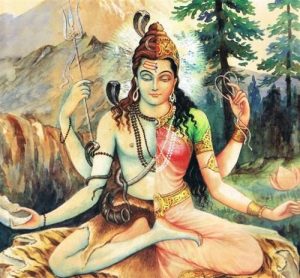
Lord Shiva is the presiding deity of our Chitrpur Saraswat Samaaj. Here are series of 108 names Shiva, explained in brief and as lucid as possible by Dharmapracharak Shri Rajgopal Bhatmam. 

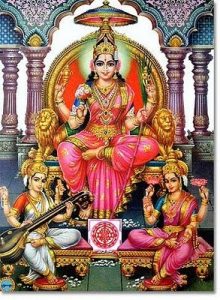
Lalita Ashtottara ShataNamavali

Lalita Ashtottara Shatanamavali is a prayer to list 108 Names of Goddess Lalitha Devi


Durga Chandrakalaa Stuti

Durga chandrakala stuti is a hymn composed by Appayya deekshita the great shaiva and scholar of Vedas Puranas and mantra shastras.

Sri Lalita Trishati

Lalita Trishati (or Śrī Lalitā Triśatī or Lalitha Trishati Stotram) is a devotional hymn addressing the 108 divine names of Devi Parvathi, the consort of Lord Shiva.

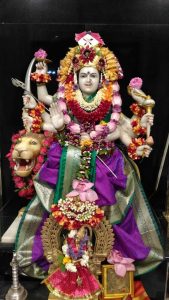
SRI DURGAA ASHTOTTARA SHATANAAMAAVALI

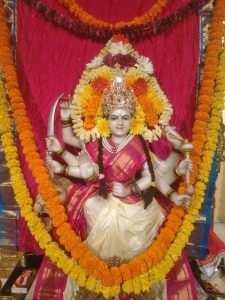
Sri Durgaa Ashtottara Shatnaamaavali. The 108 names of our beloved Mother Durgaa Parameshvari.


SRI DURGAA DVAATRIMSHANNAAMAMAALAA

These are the  list of 32 Names of Mother Durgaa signed by Poojya Swami Parijnanashram-III with His blessings.

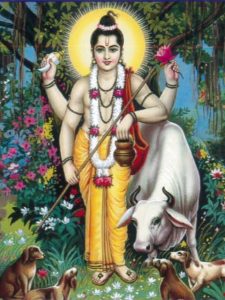
SHREE DATTA PRAARTHANAA CHATUSHKAM

This stotra ( it is in Stuti Manjari) has been
composed by Poojya Swami Vaasudevaananda Saraswati, also wellknown as Tembe Swami

SHREE PAANDURANGAASHTAKAM & Various Stotraas

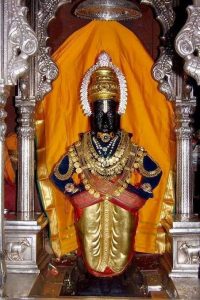
This hymn is addressed to ViThoba of Pandharpur. In ‘Shankara Digvijaya’ by Swami Chidvilaasa Yati

SHREE SHIVA SAHASRANAAMAAVALI

Shiva Sahasranaamaavali, the 1000 Names of our patron deity Shri Bhavanishankar..


AACHAMANA

AACHAMANA AND THE 24 NAMES OF VISHNU

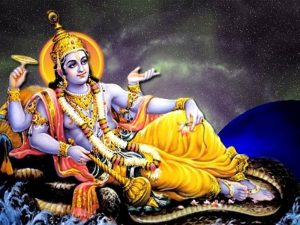
On the auspicious Shri KrishNa JanmaashTami a  new series on Aachamana and 24 names of Lord Vishnu

KUMKUMAARCHANA

SALUTATIONS TO MOTHER DURGAA.

Today 7th October 2021 is the auspicious beginning of Navaratra festival and I propose to start a series on Kumkumaarchana and similar modes of Devi worship. 

VISHNU SAHASRANAAMA

VISHNU SAHASRANAAMA PART 1

 1 to 482

A series on VISHNU SAHASRANAAMA with the blessings of Lord Bhavaishakara and the Guruparapara and, of course, your best wishes.

VISHNU SAHASRANAAMA

VISHNU SAHASRANAAMA PART 2

483 to 599

A series on VISHNU SAHASRANAAMA with the blessings of Lord Bhavaishakara and the Guruparapara and, of course, your best wishes.

VISHNU SAHASRANAAMA

VISHNU SAHASRANAAMA PART 3

600 TO 780

A series on VISHNU SAHASRANAAMA with the blessings of Lord Bhavaishakara and the Guruparapara and, of course, your best wishes.

VISHNU SAHASRANAAMA

VISHNU SAHASRANAAMA PART 4

781 Onwards

A series on VISHNU SAHASRANAAMA with the blessings of Lord Bhavaishakara and the Guruparapara and, of course, your best wishes.

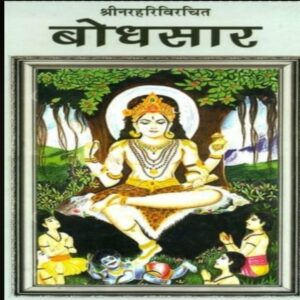
BODHASAARA

GLEANINGS FROM BODHASAARA

1 to 600


Not much is known about Acharya Narahari. It is believed he hailed from Varanasi and had a Guru called Shri Anandabodha. Scholars place him between 1725 and 1825 A.D.  BODHASAARA 

has 1350 verses. It has a Sanskrit gloss, अर्थदीप, by his disciple called Divakara Pandit.


 I will try to compile simple verses which are straightforward in meaning.  Serial numbers are mine.

BODHASAARA

GLEANINGS FROM BODHASAARA

601 Onwards


Not much is known about Acharya Narahari. It is believed he hailed from Varanasi and had a Guru called Shri Anandabodha. Scholars place him between 1725 and 1825 A.D.  BODHASAARA 

has 1350 verses. It has a Sanskrit gloss, अर्थदीप, by his disciple called Divakara Pandit.


 I will try to compile simple verses which are straightforward in meaning.  Serial numbers are mine.

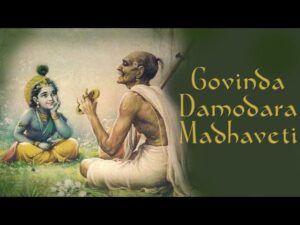
Govinda Damodara Stotram

Govinda Damodara Stotram


Govinda Damodara Stotram. This is a favourite of devotees of KrishNa.

The author of this hymn of 71 verses is Shri Bilvamangal, a famous saint whose Samaadhi is in Gopinath Bazaar in Brindavan. He was born in 9th century in South India in a village near Krishnaveni river. His father was Raamadaasu.

He took initiation into Sanyaas from a saint called Somagiri, who gave him the name Leelaashuka. Some scholars say Bilvamangal and Leelaashuka are different while some say they are are one and the same. Govinda Damodara Stotra  is named after Bilvamangal while Shri KrishNa KarNaamritam,

BHAGAVAT SHARANA STOTRAM

This beautiful Stotra is by Poojya Swami 

Brahmanandaji. There are His two other well-known namesakes – one, a direct disciple of Sri Ramakrishna  and the first President of RKM and the other a highly respected Swamiji in Chinmaya Mission. The Guru of the composer of above Stotra  was श्रीमन्मौक्तिक  रामोदासीनजी. He had His Ashram at Pushkar near Ajmer. He has composed many other hymns in Sanskrit such as: Shankaraashtakam, HarisharaNaashtakam, Ramashtakam, Veda Vyasashtakam and VishNu Mahimna Stotra. Some of these are in our Stutimanjari.

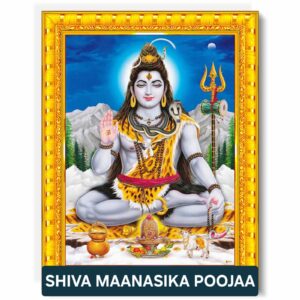
SHIVA MAANASIKA POOJAA

SHIVA MAANASIKA POOJAA 


ॐ श्री गुरुभ्यो नमः। ॐ श्री भवानिशङ्कराय नमः।

ॐ श्री मात्रे नमः।


JAI SHANKAR


This is a hymn by the renowned saint and savant of Tamilnadu, Shri Sadashiva Brahmendra. He was a mystic of a very high order . He is also refered to as an Avadhoota. He is known for many Kriti-s (Compositions) in Sanskrit, set to many राग -s of Carnatic music. During the course of this series we will listen to a couple of Kriti-s.


SHREE RAAMA CHARITRAM

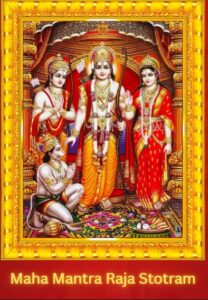
SHREE MAHAAMANTRARAAJA STOTRAM
 
From today I am taking up a beautiful Stotra entitled श्री महामन्त्रराज स्तोत्रम् composed by Swami 
LakshmaN Shastri.  This hymn glorifies Shri Raama. The beautiful 
नाम रामायणम्(शुद्ध ब्रह्म परात्पर राम। कालात्मक परमेश्वर राम।), sung on every Ekadashi at Sri Ramakrishna Maths during evening भजन सेवा is ascribed to Sri Lakshmanacharya. Maybe he and LakshmaN Shastri are one and the same. As in नाम रामायणम्, this Stotra, too, summarises the story of Shri Rama. Indeed, it overflows with the name of Rama in every verse. This Stotra is not much heard of. 
 
 
It has 117 verses and, in each verse the name राम occurs nine times. The fourth line has राम four times and the fifth line five times. The first verse is 
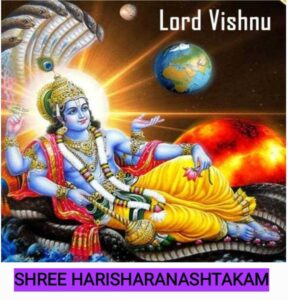
SHREE HARI SHARANAASHTAKAM

This  a beautiful  Ashtaka (eight verses) by late Swami Brahmanandaji, whose Bhagavat SharaNa Stotram has been covered in these columns earlier. HE had His Ashram at Pushkar near Ajmer. His Guru was Shrimat Mouktika 

Raamodaaseenaji. He wielded a prolific pen: Apart from profound works in Sanskrit like  VishNu Mahimna Stotra,Vichaara Deepaka, 

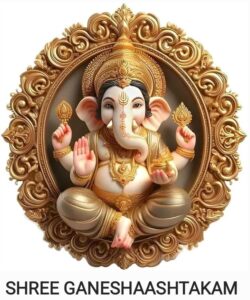
SHREE GANESHAASHTAKAM

SHREE GANESHAASHTAKAM


There is a beautiful hymn to Shri GaNesha in the Upaasanaa KhanDa of GaNesha PuraaNa. It is ascribed to Shri Veda Vyaasa . It elaborates the Upanishadic teaching: “All this is, verily, Brahman”(सर्वं खलु इदं ब्रह्म). Every verse begins with “from whom”(यतो). 


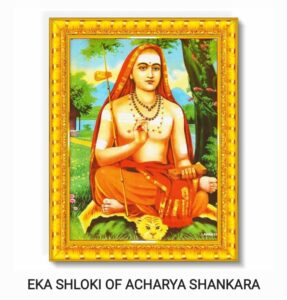
EKASHLOKI OF ACHARYA SHANKARA
EKASHLOKI OF ACHARYA SHANKARA 
A single shloka of Acharya Shankaracharya wherein He has condensed the wisdom of sage Yaajnavalkya in conversation with King Janaka in BrihadaaraNyaka Upanishad(4-3). Atman (Self) is the Light of lights. This teaching AS gives us in the form of a dialogue between the Guru and the Shishya. between the Guru and the Shishya.
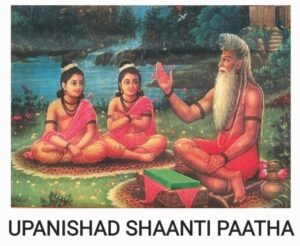
UPANISHAD SHAANTI PAATHA

This is  what we popularly know as Shaanti Mantraa-s. Every साधक/साधिका  chants a couple of these Mantra-s during his/her anushthaan and poojan. 

There are these ten Peace Chants(PC) followed  by Maths owing allegiance to Acharya Shankara. They are called शांकरमठसंप्रदायीयाः शान्तयः। These 

PCs are apportioned between eleven main Upanishads(श्वेताश्वतरोपनिषत् included). If we do not limit the PCs to Upanishads only, then they will be in hundreds because the Veda-s constitute a veritable storehouse of PCs indeed.